

Audio By Carbonatix
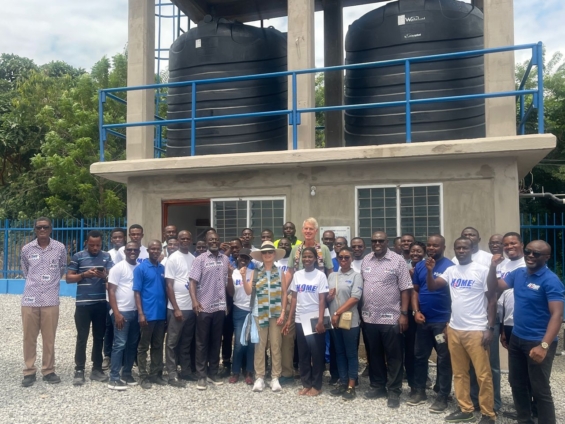
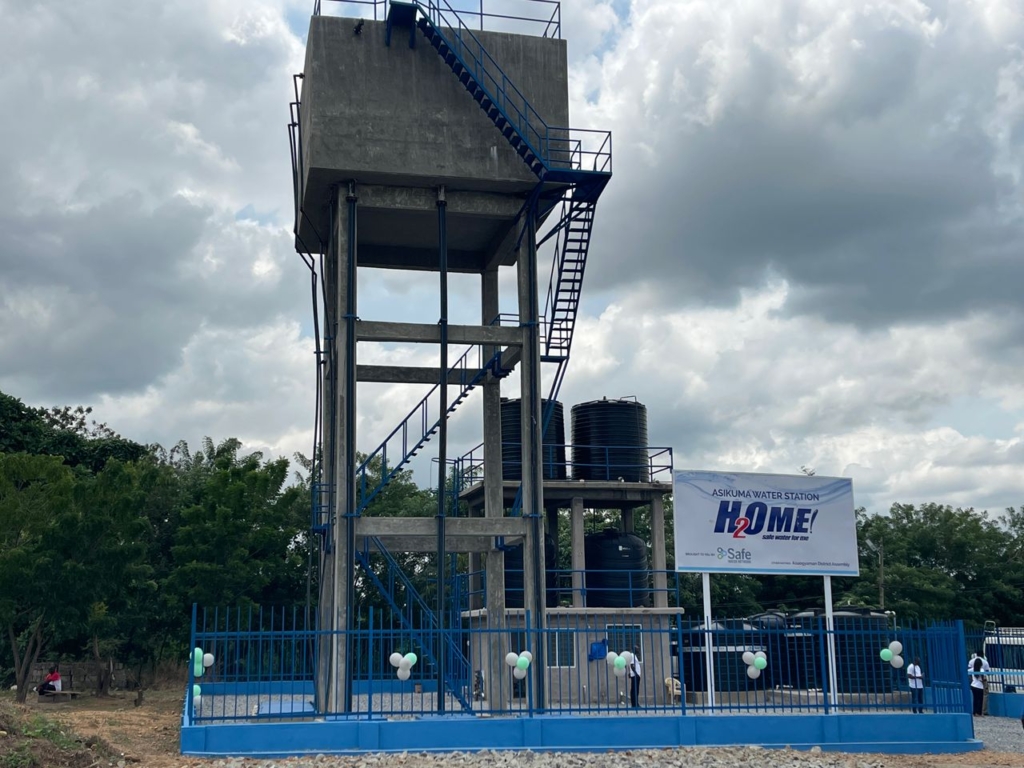
The Safe Water Network (SWN) has commissioned over $800,000 Asikuma Home Water Station, which will provide safe, reliable water to over 3,000 residents.
The facility which was completed in three phases between 2021 and 2024, delivers direct piped connections to over 400 homes, schools, health facilities, and small businesses. Each connection is fitted with mobile money-enabled prepaid meters to ensure convenient of payment, access and sustainable management.
The Asikuma water station brings SWN’s footprint in Ghana to 112 water stations across more than 150 communities, reaching about 510,000 people, including nearly 15,000 with direct household connections.
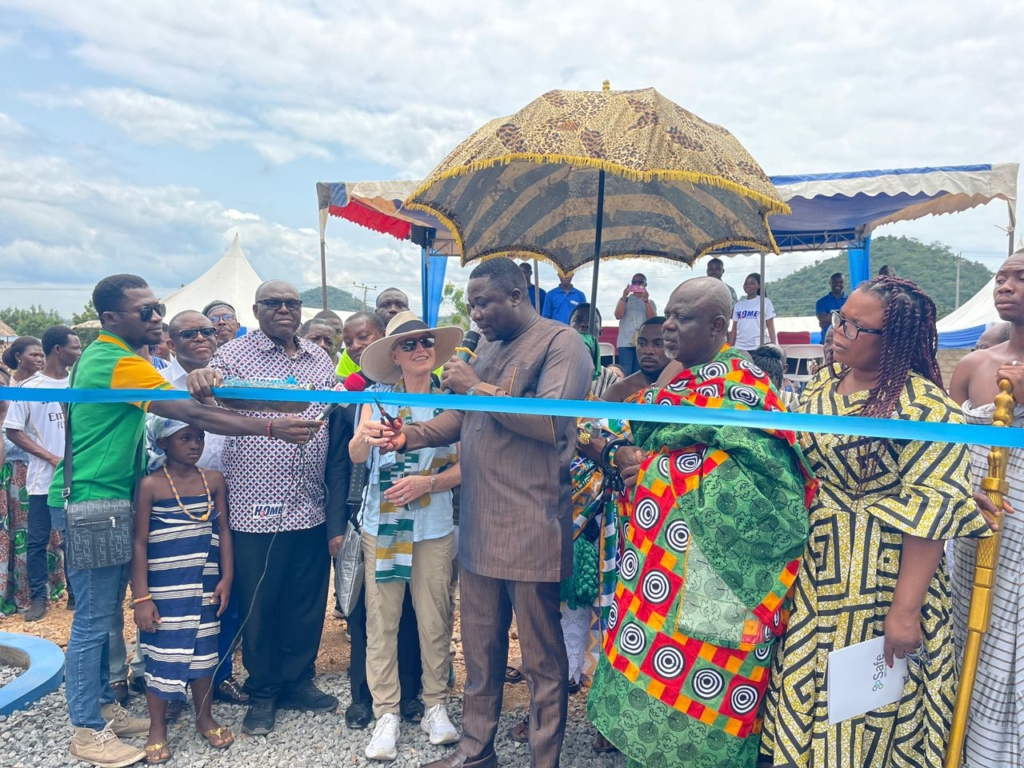
At the commissioning ceremony, Mr. Charles Nimako, Country Director of Safe Water Network, said:
“This station is more than infrastructure—it is health, dignity, and opportunity for Asikuma. Our vision is thriving communities everywhere with safe water that is owned and managed sustainably. To get there, we must keep working together—government, chiefs, partners, and community members alike.”
Mr. Charles Nimako, further explained that all revenues generated from the sale of water would remain within the community to support operations. He said the funds would cover essential costs such as electricity, chlorination, and maintenance, with additional reserves set aside for future repairs—a model that has sustained the organization’s facilities in Ghana for over 15 years.
The District Chief Executive (DCE) for Asuogyaman, Mr. Godwin Bobobee, urged residents to use the water responsibly, noting the significant resources invested by SWN in treating and supplying safe water to their homes.
The DCE also outlined other ongoing water projects in the district, assuring residents of government’s continued commitment to working with NGOs and development partners to expand access.
“This year alone, the Assembly will construct at least 15 mechanised boreholes and water projects in selected senior high schools, Akwamufie, and other communities,” he said.
“We will continue to collaborate with partners to extend safe water facilities to more areas across Asuogyaman.”
Founding CEO of Safe Water Network (SWN), Kurt Soderlund, underscored the importance of sustainability and community ownership in ensuring safe and reliable water access for Asikuma residents.
“I hope the community will protect Lake Volta, have access to affordable water every day, generate enough funds for its upkeep, and above all, ensure that everyone—especially the children—can grow up healthy with safe water,” he stressed.
Safe Water Network is a not-for-profit organization that provides safe, affordable, and reliable water to underserved communities. In Ghana, SWN operates in partnership with government, private sector, and local leaders to scale sustainable water solutions that improve health, empower communities, and drive economic growth.
Latest Stories
-
GPRTU taskforce clamps down on unapproved fares at Kasoa
12 seconds -
Prime Insight: Making room for meaningful national conversations on Joy Prime
11 minutes -
FABAG commends Ato Forson’s over removal of 20% excise duty on locally manufactured fruit juices
18 minutes -
HIV stigma discourages testing, prevention and treatment in Ghana – Ghana AIDS Commission
21 minutes -
Blocking cocaine probe lends weight to claims of political protection for traffickers – Assin South MP
24 minutes -
NPP Vice Chair race: I may be the youngest, but most experienced – Nana B
26 minutes -
Last UK and US troops leave Iraq as anti-Islamic State mission ends
26 minutes -
Don’t stay home idle, embrace entrepreneurship while awaiting posting – Unemployed nurses urged
38 minutes -
Aayalolo buses not speeding on contra-flow lanes – GAPTE assures commuters
41 minutes -
Effia MP calls for Kurt Okraku’s removal, overhaul of Ghana football structure
42 minutes -
CAS hearing on AFCON final appeal by Senegalese Football Federation set for October 8
42 minutes -
STC fares to go up by up to 8% this week – Deputy MD
43 minutes -
Photos: Accra-Kumasi bypasses get new lease of life as contractors return to site
43 minutes -
Man allegedly swallows five SIM cards to conceal evidence after arrest
44 minutes -
After three finals, Ayikuma Methodist Basic School finally lifts National Juniors Challenge trophy
44 minutes