

Audio By Carbonatix
Yesterday, six young Ghanaians who left home with hopes of joining the noble Ghana Armed Forces lost their lives in a tragic stampede during a recruitment exercise — an incident that should shake the conscience of the nation.
Videos circulating on social media show thousands of desperate applicants jostling for a chance to have their documents assessed. What began as an orderly process quickly descended into chaos, claiming the lives of these compatriots and injuring dozens more.
The casualty toll — six dead and 34 injured — underscores the severity of what happened. Yet beyond the immediate tragedy lies a deeper, systemic problem: Ghana’s worsening unemployment crisis and the urgent need to organise large-scale recruitment exercises safely.
Unemployment: A National Security Risk
This is the first major stampede in Ghana’s recent history, and it is no isolated accident. It reflects a widening gap between job seekers and opportunities.
Security experts, including Dr Emmanuel Aning of the Kofi Annan International Peacekeeping Training Centre (KAIPTC), have long warned that joblessness poses a national security threat.
According to the World Bank, Ghana faces a severe jobs challenge despite years of economic growth. Over 500,000 young people enter the job market every year, yet job creation has not kept pace, leaving many trapped in low-quality or informal work. The Bank further projects that Ghana’s youth population will grow by 1.6 million over the next decade, reaching 11 million by 2035 — with more than half the population under 30.
Currently, only about 13% of workers aged 15–64 hold high-quality jobs. Low-skill and informal employment account for more than half of the workforce. This mismatch between rising education levels and limited opportunities has bred desperation and instability, seen in the ever-growing crowds at such recruitment exercises.
For many applicants, the military and other security agencies represent the closest thing to stable employment — offering a steady income, housing, and social respect. Yet recruitment exercises into these services have been irregular for years, often shrouded in secrecy.
When this latest opportunity emerged, thousands viewed it as their first real chance in years to secure a dignified livelihood. That is why this stampede is not merely a tragic accident — it is a wake-up call. Unemployment is no longer just an economic statistic; it is a ticking time bomb that threatens public safety and national cohesion.
The Need for Better Planning
While unemployment is the root cause, this tragedy also exposes flaws in planning and event management.
The Ghana Armed Forces is known for its discipline and professionalism, so one would expect that same discipline to guide its recruitment processes. The sight of thousands crammed into a single venue should never occur in a country capable of digitising its systems.
Why were applicants not assigned time slots?
Why was there no robust online pre-screening system to reduce congestion?
Recruitment into security services is a sensitive national exercise. It demands meticulous planning — not ad hoc arrangements that endanger lives.
Beyond Political Point-Scoring
Sadly, even as families mourn, some political actors have attempted to exploit the tragedy for partisan gain. This is unacceptable. The loss of young lives should unite us in grief and resolve, not divide us further.
Political statements that trivialise the tragedy or weaponise it for electoral advantage dishonour the victims and distract from the urgent reforms required. Leaders must rise above point-scoring and focus on practical solutions.
The Way Forward
First, the government must treat unemployment as a national emergency — not a talking point. This demands aggressive investment in job creation, skills development, and entrepreneurship. Efforts such as the Big Push, the 24-Hour Economy policy, and reforms in the mining sector to promote domestic value addition must be fully implemented and expanded.
Second, recruitment exercises must be restructured to prioritise safety and efficiency. Digital platforms and staggered schedules can drastically reduce congestion.
Third, public gatherings of this scale should be governed by strict safety protocols, with security personnel trained in crowd management and emergency response.
Finally, we must confront an uncomfortable truth: Ghana’s youth are not lazy — they are desperate. They are willing to risk their lives for jobs that pay modest salaries because the alternatives are bleak.
Until we address this reality, tragedies like this will recur.
The stampede at the military recruitment centre is a national tragedy — but it can also be a turning point if we act decisively.
President John Dramani Mahama has shown credible intent to reform the economy and expand opportunities. We must now rally behind these efforts to ensure that no Ghanaian youth dies in search of a job.
Ghana cannot afford to ignore the warning signs any longer.
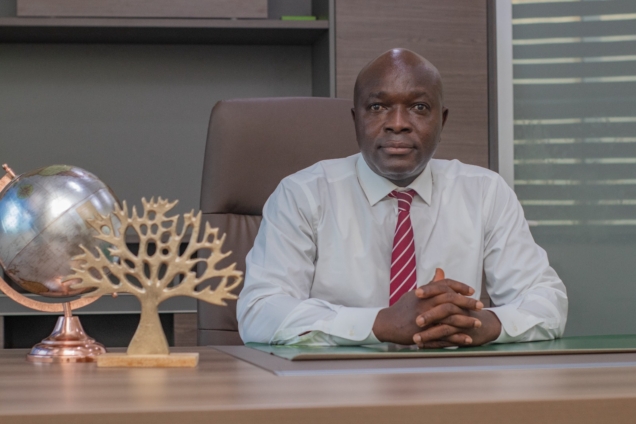
The writer is an entrepreneur and philanthropist.
Latest Stories
-
Power restoration fault suspected in Kumasi Central Market fire
3 hours -
The 7-foot giant of Ngleshie Amanfro: Seven-foot Ghanaian Ephraim Saawa dreams of joining the national basketball team
4 hours -
Government promises support for Kumasi Central Market fire victims
4 hours -
Vibes The Movie: Big Ghun’s Ghanaian film earns five nominations at 2026 REFFA
4 hours -
MamaCare CEO warns unresolved conflicts among health workers could undermine maternal and neonatal care
5 hours -
Health professionals urged to translate medical knowledge into practice to save mothers
5 hours -
Conflicts among care providers linked to maternal, neonatal deaths – Expert
6 hours -
GIS marks 10th TIME conference, champions improved teaching practices
7 hours -
BRICS Or Balance? What Ghana’s bid really means
7 hours -
GPRTU wants full TRAFFITECH-GH implementation to start in 2027
7 hours -
Mahama announces plans to import electric wheelchairs for PWDs
7 hours -
KGL U17 Colts 2026: Western beat Prempeh Elite Academy to set up final final with Greater Accra Region
8 hours -
Late Solanke strike salvages 10-man Spurs draw at Man United
8 hours -
Gender Ministry to monitor welfare of Nana Akua Addo’s children amid domestic violence case
8 hours -
Benedict Okyere Yeboah: Ghana’s football problem goes beyond sacking a coach
8 hours