

Audio By Carbonatix
Oil and gas prices rose sharply, and stock markets slid back on Thursday after Iranian strikes hit energy infrastructure in the Middle East, including Qatar's main gas facility.
Brent crude was trading at just over $108 a barrel on Thursday evening, having risen as high as $119 earlier in the day.
UK gas prices were 154.8p per therm, an increase of 11.3% from a day earlier. They had peaked close to 183p on Thursday.
The FTSE 100 closed at 10,049, a fall of 256 points or 2.4%, as investors become increasingly concerned over the potential economic impact of a prolonged conflict.
In Japan, the Nikkei share index closed down 3.4%, while the three main indexes in the US ended the day modestly lower.
Bonds on both sides of the Atlantic fell as fears of a surge in inflation continue. The UK is heavily reliant on imported natural gas, and the rise in British gilt yields on Thursday was far sharper than for German or US bonds.
Bonds are essentially government debt – the buyer eventually receives the value of the bond back, plus interest - the yield - at regular intervals.
UK bonds, known as gilts, are purchased mainly by financial institutions like pension funds, as they are seen as a relatively safe investment.
Bond yields going up usually means that investors are worried about turbulence in the economy because the government is taking on more debt.
Yields on two-year gilts were on track on Thursday for their biggest daily increase since Liz Truss's mini budget in 2022.
One reason sharp movements in bond yields matter to individuals is because they can have an impact on the mortgage market, with higher yields potentially making mortgage deals more expensive.
The jump in oil and gas prices came after Iran's South Pars gas facility – one of the world's largest natural gas fields – was hit on Wednesday evening.
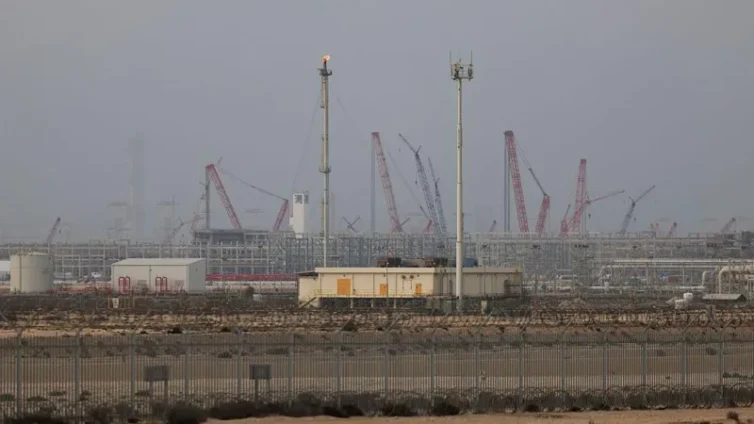
Iran retaliated by targeting Ras Laffan, a major liquefied natural gas export facility in Qatar, causing "extensive damage", raising concerns over the global energy supply.
QatarEnergy, the country's state-owned energy company, said the required repairs to the facility will reduce output by 12.8m tons of LNG for three to five years.
Nick Butler, former head of strategy at BP, told the BBC's Today programme that the strike on Ras Laffan would "almost certainly cut off a level of supply of LNG to the world market".
"I think the worry now is that the market is expecting things to get worse. That in their view, Mr Trump has opened a Pandora's box, and he's lost control of what is happening day-to-day in the region."
He said the gas in Ras Laffan "can't be substituted very quickly at all, and maybe not for a very long time", which will push up prices.
Ras Laffan was among the sites listed by Iran as a possible target following the attack on the South Pars gas field.
Qatar also operates facilities on the gas field, which it calls North Dome.
But the country, which produces a fifth of the world's liquefied natural gas, had halted production earlier in March in response to the conflict.
Iran's Foreign Minister Abbas Araghchi said the country will show "zero restraint" if its infrastructure is attacked again.
"The ONLY reason for restraint was respect for requested de-escalation," he wrote on X.
US President Donald Trump said on Thursday he had told Israeli Prime Minister Benjamin Netanyahu not to attack Iranian energy fields, which he said Netanyahu agreed not to do.
US Treasury Secretary Scott Bessent said on Thursday the US was considering suspending sanctions on Iranian oil as it looks for ways to keep oil prices in check.
The move would affect about 140 million barrels oil that is already on the water, he told Maria Bartiromo on Fox Business.
It adds to other US efforts to boost oil supplies, including the suspension of sanctions on Russian oil and moving to relax shipping rules to ease shipments of oil and other commodities between US ports.
The world consumes about 100 million barrels per day of oil.
Earlier efforts by world leaders to ease price pressures, including an unprecedented release of oil reserves, have done little to reduce prices.
Meanwhile, Iran has also suspended the flow of gas to Iraq to shore up domestic supplies, a senior Iraqi official told Reuters.
The vast majority of Iran's gas supply - 94% - is used domestically, according to data from the Gas Exporting Countries Forum.
Latest Stories
-
GoldBod Jewellery opens new showroom in Takoradi to promote gold value addition
12 minutes -
National Cathedral site handed back to government pending AG’s review – Mahama Ayariga
13 minutes -
Gov’t outlines measures to expand access to affordable housing as Ghana marks World Habitat Day
15 minutes -
Ghana AI Summit 2027 set for Accra in March
18 minutes -
GoldBod to sell spot dollars to banks twice a week under new FX framework
20 minutes -
‘No vacancy’ notice was administrative, not policy to halt national service – Parliament
21 minutes -
Hopeson Adorye elected to World Taxpayers Association board
23 minutes -
Deputy Education Minister appeals to striking teachers to return to classrooms
34 minutes -
Mahama satisfied with Aayalolo contra-flow results – Ayariga
35 minutes -
Ghana’s Rabiu Alhassan joins board of International Fact-Checking Network, IFCN
48 minutes -
Argentina hit 7 as Burkina Faso land five hours before kick-off
51 minutes -
NPP’s choice of Kojo Bamba, is a rejection of ‘suit and big English’ – Mustapha Gbande
55 minutes -
Innovators urged to build low-cost, locally maintainable health solutions
58 minutes -
Frank Appiah Kusi, PhD: Governance Gaps, Transparency, and the Business of Football in Ghana
59 minutes -
Manhyia South MP charged with conspiracy, financial loss and money laundering
1 hour