

Audio By Carbonatix
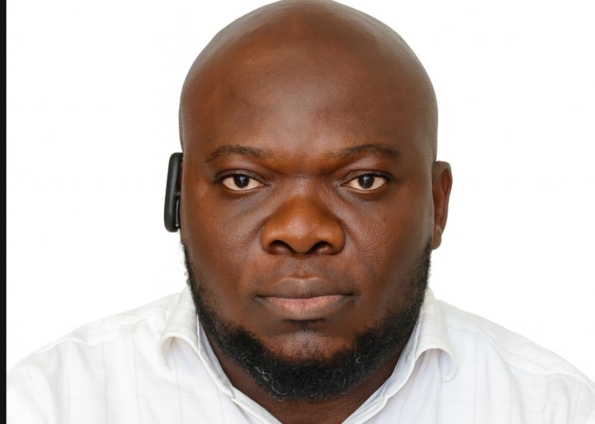
In a thought-provoking virtual interview with Myyoyonline, Mr Kazeem Bamidele Ajanaku, a distinguished Nigerian mechanical engineer and internationally recognised scholar, shared his insights on Africa’s energy future.
The discussion, centred on “Sustainable Energy, Advancing Africa’s Clean Power Future”, emphasised both the urgent challenges and the promising opportunities facing the continent.
Mr Ajanaku’s authority in the subject is well established. As the Managing Director of Cotter & Knuckle Engineering Limited and a licensed mechanical engineer in Nigeria, he has become a leading voice in engineering solutions for clean power.
His groundbreaking work includes hybrid gas systems, emissions modelling, and the integration of renewable energy sources into traditional grids. These contributions not only serve Nigeria but resonate globally, reinforcing Africa’s role in shaping sustainable engineering practices.
During the interview, Mr Ajanaku amplified the critical importance of reducing Africa’s over-dependence on fossil fuels and harnessing the continent’s abundant renewable resources—particularly solar, wind, and biogas. He argued that sustainable mechanical engineering solutions, when aligned with sound policy, can transform Africa’s energy landscape. “Africa has the resources and the expertise; what we need is the political will and coordinated investment to convert these into reliable, clean power systems,” he stated.
Drawing from his extensive academic and consulting experience, Mr Ajanaku recommended a regional approach to energy development.
He stressed that cross-border collaboration, investment in research, and the strengthening of engineering education are key to solving systemic problems. His policy-informed projects, which bridge technical design and governance, have already influenced national conversations on grid optimisation, energy justice, and emissions mitigation.
Significantly, Mr Ajanaku’s career is a testament to Africa’s growing intellectual capital. His peer-reviewed publications on biogas integration and carbon-reducing power systems highlight practical pathways to cleaner grids and underscore the role of local engineers in solving global problems. He called for greater support of African innovators, noting that sustainable solutions are most effective when developed within the cultural and environmental contexts they serve.
As the interview concluded, Mr Ajanaku reminded policymakers, investors, and the public that the quest for sustainable energy is not merely technical but moral: “It is about ensuring access, equity, and dignity for millions of Africans who deserve reliable power.”
His words captured both the urgency of the moment and the promise of a cleaner, more resilient energy future for Africa.
Latest Stories
-
Teacher unions strike: Gov’t presents fresh proposals as talks end inconclusively
41 minutes -
51,000 teachers’ promotion arrears to be validated for October payment – Education Minister
1 hour -
Kwabena Boamah appointed Board Chair for Impact Investing Ghana
1 hour -
Striking teacher unions to meet Fair Wages and Salaries Commission on October 6
2 hours -
EOCO working with AG to arraign Nana Baffour Awuah before weekend court
2 hours -
Duraplast reassures customers after fire, announces October 5 reopening
2 hours -
Call off strike, gov’t will not renege on promotion arrears pledge – Haruna Iddrisu appeals to teacher unions
2 hours -
Committee set up to validate teachers eligible for 20% deprived-area allowance – Education Minister
2 hours -
Five-member committee to search for new Black Stars coach after Sports Ministry-GFA meeting
2 hours -
Pinktober: Breast cancer survival exceeds 90% when detected early – Breast Society of Ghana
3 hours -
TCDA to adopt Upper West’s MATCO mango farm as northern prototype, issues warning against felling shea trees
3 hours -
‘Fear delegates’ tag: Afoko touts genuineness among delegates ahead of NPP delegates conference
3 hours -
John Boadu: The leader our party needs at this time – Amb. Edward Akwasi Boateng
3 hours -
Baffour Awuah: EOCO arrested, detained MP after hours of waiting, questioning – Afenyo-Markin
3 hours -
EOCO court warrant authorised search of Baffour Awuah’s law firm, not residence – Afenyo-Markin
3 hours