

Audio By Carbonatix
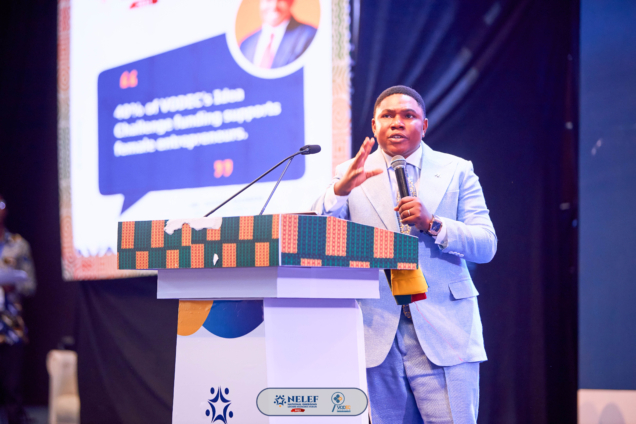
CEO of VODEC Africa, Daniel Asomani, has urged Ghana to break free from its historical role as a mere exporter of raw materials.
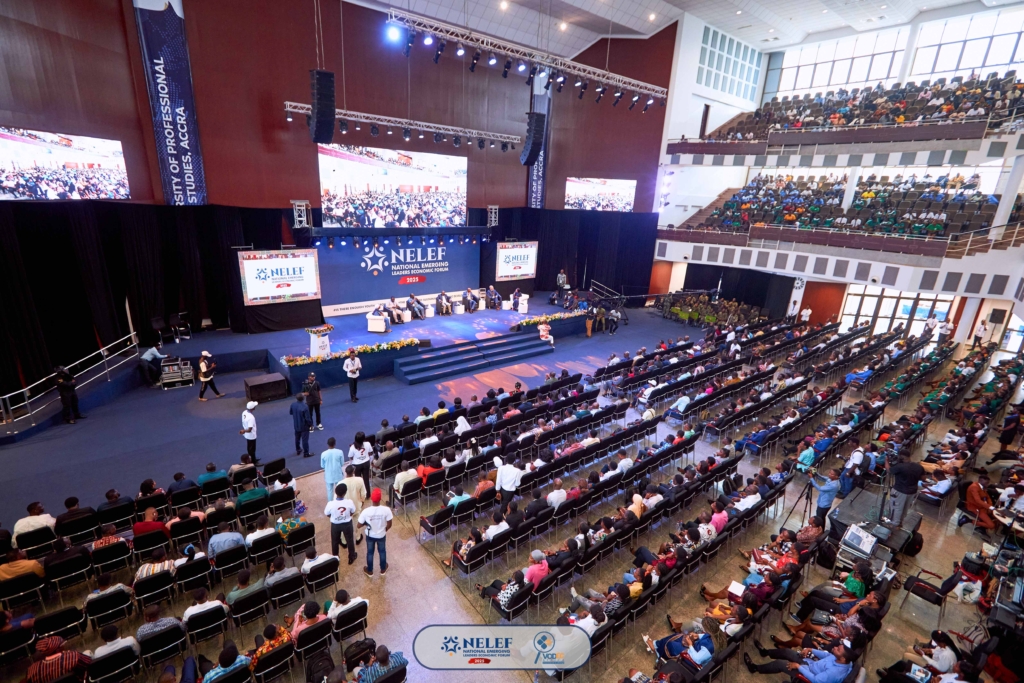
Speaking at the National Emerging Leaders Economic Forum (NELEF) 2025, Mr Asomani called for a paradigm shift towards value addition, stating that, “We must stop being hewers of wood and drawers of water.”
The Problem: A Legacy of Lost Opportunity
For decades, Ghana has been blessed with an abundance of natural resources, including gold, diamonds, bauxite, and timber. However, the nation has yet to fully capitalize on this wealth.
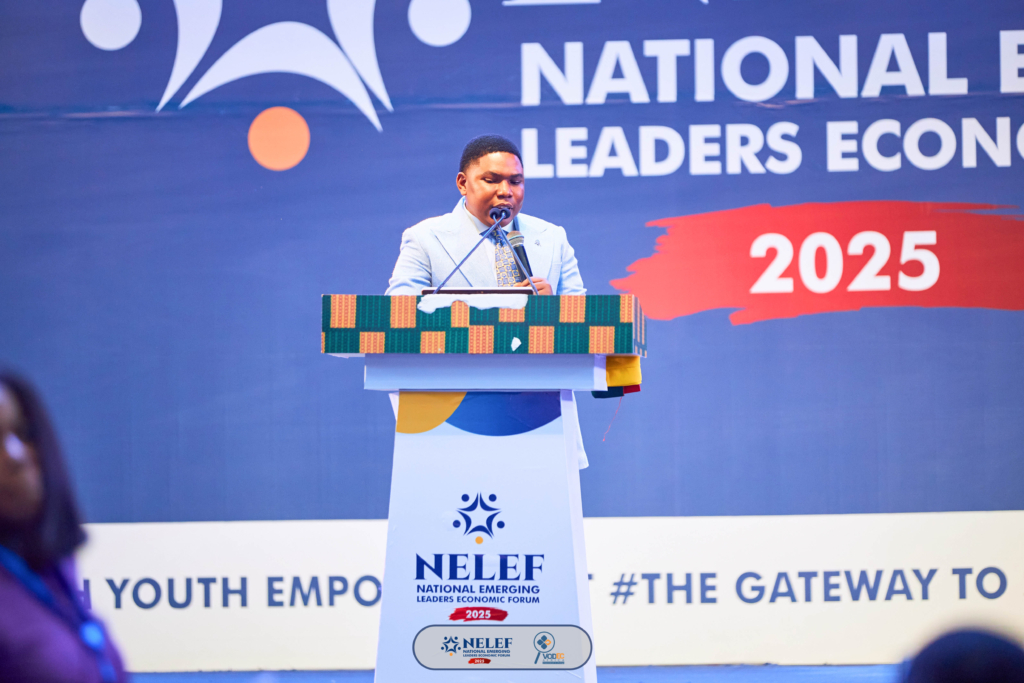
The practice of exporting these resources in their raw form has resulted in a significant loss of potential revenue, job creation, and economic diversification. Mr Asomani argued that this model of resource management is unsustainable and has hindered Ghana’s industrial development.
“Instead of exporting raw gold, we should establish gold refineries and jewelry manufacturing hubs, creating ‘Made in Ghana’ gold products that command premium prices globally,” Mr Asomani asserted.
“Instead of shipping raw bauxite, we should build aluminum smelters and manufacturing plants, producing finished aluminum products for construction and automotive industries across Africa.”
The Solution: A Future of Industrialization
The VODEC Africa CEO outlined a comprehensive strategy for natural resource transformation, one that prioritizes local processing and manufacturing.
This includes the establishment of gold refineries to create a “Made in Ghana” brand for jewelry, aluminum smelters to process bauxite, and petrochemical complexes to refine oil into higher-value products.
This vision of industrialization, Asomani argued, holds the key to unlocking Ghana’s true economic potential.
The proposed transformation is projected to have a monumental impact on the Ghanaian economy, with the potential to create 1.5 million jobs and increase the natural resources sector’s contribution to GDP from the current 20 per cent to an impressive 35 per cent by 2030.
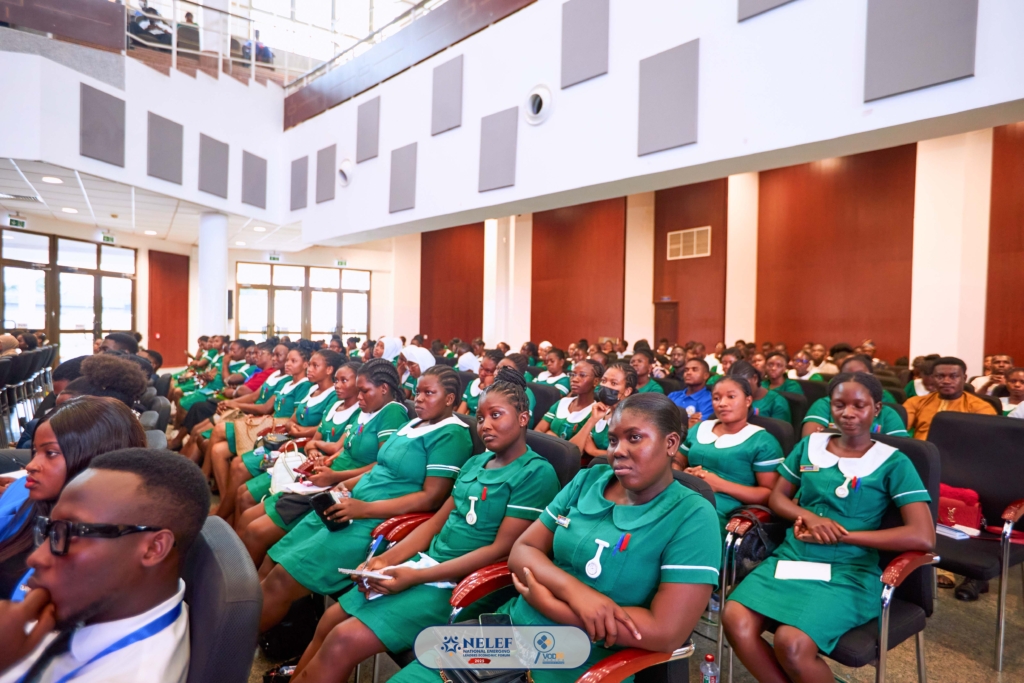
The presence of regional leaders like the Hon. Dr. Frank Amoahkohene, the Ashanti Regional Minister, at the forum signifies the importance of this issue at both the national and regional levels.
The Call to Action: Embracing a New Economic Destiny
Mr Asomani challenged the nation’s leaders, including the government officials and private sector stakeholders present, to embrace a new economic destiny for Ghana.
This new destiny is one where Ghana is no longer a passive supplier of raw materials but an active participant in the global value chain, a nation that creates, innovates, and adds value to its own natural resources.
Latest Stories
-
We can tackle multiple priorities – Sam George defends Anti-LGBTQ Bill push
23 minutes -
Statement: Ghana Chamber of Mines’ Response to Claims in Joe Jackson’s “Ananse Stories about the Economy of Ghana”
24 minutes -
GES opens 2026 teacher recruitment for licensed B.Ed graduates
26 minutes -
Ghana must value skilled trades, build resilient learners — Ibn Chambas
35 minutes -
Ghana must rethink education around relevance, resilience and responsibility — Ibn Chambas
37 minutes -
Prince Harry faces defamation lawsuit from charity he co-founded
39 minutes -
South Korea deploys thermal cameras to track escaped zoo wolf
41 minutes -
Calls for royal meeting with Epstein survivors grow ahead of US visit
44 minutes -
Ibn Chambas advocates blend of technology and human values in education
46 minutes -
UMA improves healthcare access in Asutifi North with GH₵700k ‘Kim Taylor Legacy’ Walkway
51 minutes -
Scholarships Authority and Fanaka University offer sponsorship for procurement and supply chain studies
54 minutes -
Bisa Kdei drops new single ‘Go N Look’ featuring Medikal
1 hour -
Benin facing rising terrorism in north as French military presence faces growing criticism
1 hour -
UEW Public Lecture Series 2026: Education debate ‘about the soul of Ghana’s future’ — Dr Ibn Chambas
1 hour -
EU fingerprint and photo travel rules come into force from today
1 hour