

Audio By Carbonatix
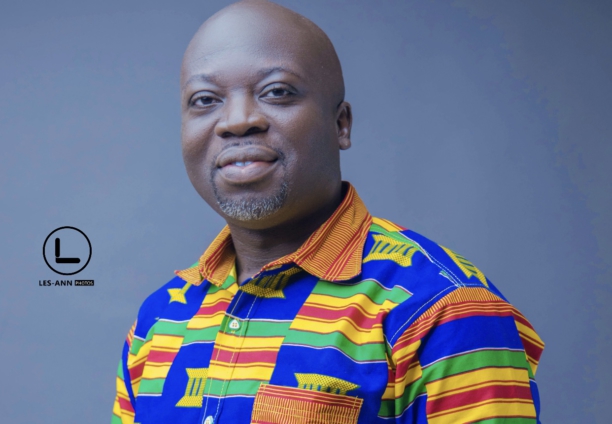
The Director of Policy Planning, Research, Monitoring and Evaluation at the National Commission on Culture, Dr. Fio Richardson Commey, has remonstrated the decision by Ghana’s government to solicit financial support from foreign powers to fashion out its Cultural Policy.
Speaking in an interview with Showbiz A-Z on Joy FM, he told Kwame Dadzie that the 2004 Cultural Policy of Ghana was sponsored by the German Government and its review is funded by the World Bank.
He also intimated that allowing foreign influences into Ghana’s cultural framework could be inimical to what Ghanaians represent.
“When it comes to culture, as a country, we need not to be relying on Western support because that is fundamentally where your right and identity can be targeted. We are now talking about LGBTQ+. Can the Cultural Policy today be clear on the Ghanaian stance and position on something LGBTG+?” he asked.
The Cultural Policy Document is dedicated to the realisation of the vision of the people of Ghana to respect, preserve, harness and use their cultural heritage and resources to develop a united, vibrant and prosperous national community with a distinctive African identity and personality and a collective confidence and pride of place among the comity of nations.
It seeks to create awareness of the traditional values and generate pride and respect for the nation’s heritage.
It is also aimed at enhancing the role of the media as channels for promoting understanding of our cultural values and the potential of the rich diversity of ethnic expressions for nation building.
Aside from that Ghana's Cultural Policy intends to make the people of Ghana aware of the contemporary relevance of their traditions and cultural heritage and assist local communities to mobilise their cultural resources for human and material development.
Among other things, the 2004 Ghana Cultural Policy is targeted at eliminating, through public education, and appropriate legislation, cultural practices that lead to the abuse of the rights of the individual on account of ethnic differences, gender, age, and religion.
It was first sanctioned in 2004 and is currently going through a review to reflect the changing times.
Latest Stories
-
NPP orders parliamentary aspirants and their supporters to suspend campaign activities
17 minutes -
Techiman unites against child marriage: Joy Impact Makers Awardee leads charge on International Day of the Girl Child
28 minutes -
Ghana Psychological Association calls for greater involvement of people with lived experience in mental health care
2 hours -
Ablakwa says Ghana could evacuate more citizens from South Africa if the situation worsens
2 hours -
Violence against girls must be tackled through individual responsibility – Gender advocate
2 hours -
Ghana’s BRICS bid must be guided by national interest – International Affairs Analyst
2 hours -
Journalists look back on a decade of breast cancer reporting in Ghana
3 hours -
President Mahama ends Resetting Ghana tour of Ahafo Region
5 hours -
African negotiators seek delivery of climate commitments at COP31
5 hours -
BoG develops AI rules for financial sector
5 hours -
‘Big Push’: Government assures contractors of prompt payments
5 hours -
Court fines miner for breaking into gold buying shop
5 hours -
Tarkwa court jails labourer for three years over GH¢123,000 theft
6 hours -
GAEC must retain nuclear scientists for Ghana’s nuclear ambitions – Minister
7 hours -
Man reportedly mistaken for game and shot by hunter dead in forest
7 hours