

Audio By Carbonatix
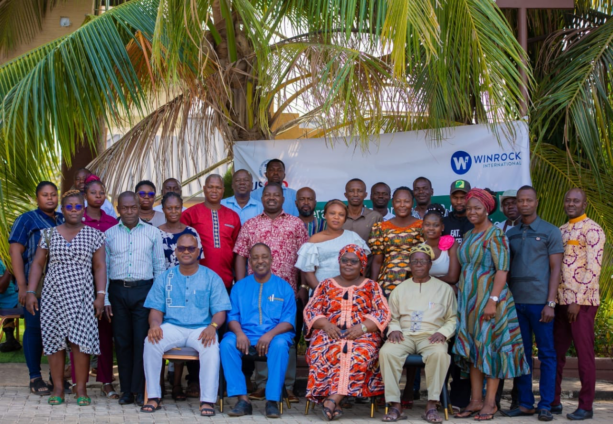
Winrock International, an agriculture and environment-centred NGO, has successfully concluded its two-year Accelerated Dissemination of Soil Improvement Practices (ADSIP) project in the Upper East Region.
The project, funded by USAID, aimed to enhance soil fertility and address agricultural challenges faced by farmers in the region.
The ADSIP project trained 104 Extension and Advisory Service Providers (EASPs), including government agents, agro-input dealers, and community-based agents for two years.
Of this number, 32% were women, reflecting the project's commitment to gender inclusiveness in agricultural development.
These trained professionals subsequently transferred their knowledge to 2,293 farmers in three months, significantly expanding the project's reach and impact.
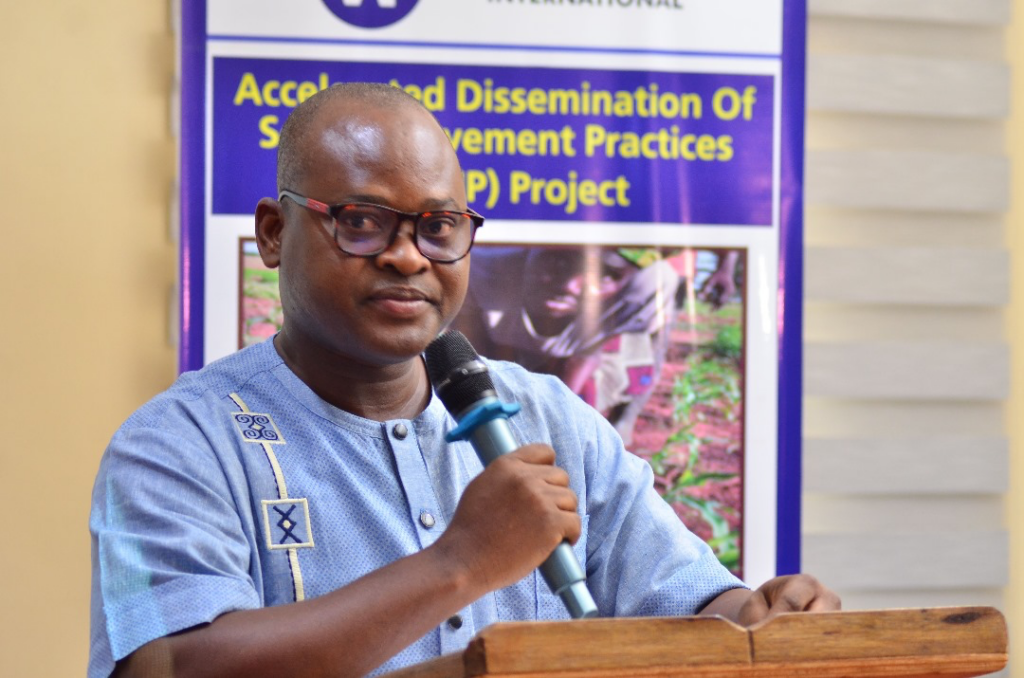
Speaking at the project's closing ceremony in Bolgatanga, the Activity Coordinator of ADSIP at Winrock International, Philip Atiim, highlighted the severe challenges facing farmers in the Upper East Region, particularly concerning soil fertility and the growing impacts of climate change.
He emphasised the need for sustained efforts to build on the project's successes.
“Extension services play a crucial role in this transformation, and they must be responsive to the specific needs of all farmers, especially women farmers who represent a significant portion of the agricultural workforce in Ghana”, he said.
He added that women farmers often face unique challenges related to access to resources, training, and information, and extension services must be tailored to meet these needs.
“In doing so, we ensure that no farmer is left behind in the journey towards sustainable and resilient agriculture”, he said.

The project also partnered with the Havener-Dowswell Scholarship Program to provide scholarships to six female students for the 2024-2025 academic year.
These scholarships will support the students to pursue degrees in agriculture at the University for Development Studies in Tamale.
Delivering the keynote speech, a former Upper East Regional Director of the Ministry of Food and Agriculture, Roy Ayariga, emphasised the importance of investing in agricultural education and extension services to foster resilience in the face of future disasters.

“The extension officer-farmer ratio is 1 to 1,500. The ideal situation should be 1 to 500, but is it at 1 to 1,500 because MoFA does not have money to recruit more (extension officers)? So, it is good that ADSIP is training extension staff”, he said.
The ADSIP project is a significant leap toward sustainable agricultural practices in Northern Ghana.
By equipping farmers, extension officers, and other stakeholders with the necessary tools and knowledge, the project has laid a foundation for improved soil fertility, climate change mitigation, and enhanced agricultural productivity in the Upper East Region.
Latest Stories
-
Labour Minister wants SOEs to help shape new public pay system
51 minutes -
IPEC will ensure Equity and Sustainability in SOEs Compensation
1 hour -
White House bars CNN from travelling with Trump on Air Force One
2 hours -
Fennis wins second consecutive ITF J60 title in Accra
2 hours -
Spain beat England in thriller after Kane penalty miss
2 hours -
GPL 2026/27: Zaidan’s late goal ends Hearts of Oak unbeaten start
2 hours -
CEOs demand clarity on pay harmonisation, board autonomy as FWSC engages SOEs bosses over IPEC transition
2 hours -
2026 Women’s Super Cup: FC Savannah, Epiphany Warriors maintain top spots ahead of final group games
2 hours -
‘Is EOCO responsible for determining lawyers’ fees?’ – Baffour Awuah
2 hours -
David Beckles claims second J60 Accra title
3 hours -
No France cocaine suspect linked to Mahama, Vice President’s security details – NACOC
3 hours -
Anwelle Foundation launched in Jirapa to tackle poverty, youth unemployment
3 hours -
Joy Sports Editor Fentuo Tahiru Fentuo to moderate inaugural Music Meets Football Summit in Zambia
3 hours -
Court premises too volatile for Baffour Awuah’s attempted arrest by EOCO – Inusah Fuseini
4 hours -
Drug bust: Under no circumstances will NACOC leadership be compromised – Twum-Barimah
4 hours