

Audio By Carbonatix
In the world of communication, few platforms offer storytelling opportunities on the scale of the FIFA World Cup. Beyond the goals, trophies, and moments of sporting brilliance lies a powerful global stage where nations introduce themselves to the world, shape perceptions, and project culture, identity, and pride.
One of the most overlooked aspects of national branding is how countries leverage major sporting events to tell their stories. The jerseys, squad-announcement videos, music in the stands, social media conversations, and even the conduct of supporters abroad all contribute to a larger narrative about who a people are and what they represent.
For countries seeking greater visibility, investment, tourism, and influence, understanding how to harness such moments of global attention is increasingly important. When executed strategically, sports storytelling can strengthen national reputation, boost investor confidence, attract visitors, and reshape international perceptions. When ignored, however, it becomes a missed opportunity that even the most expensive marketing campaigns may struggle to recover.
These themes took centre stage during the maiden X Spaces conversation of the World PR Day Festival 2026, which explored the intersection of sports, branding, and national storytelling. Panellists urged Ghana to look beyond the ninety minutes on the pitch, recognise the value of its cultural assets, and develop a deliberate communication strategy around every major sporting moment.
The consensus was clear: intentional storytelling enables nations to shape perceptions, attract opportunities, and convert fleeting global attention into long-term national value.
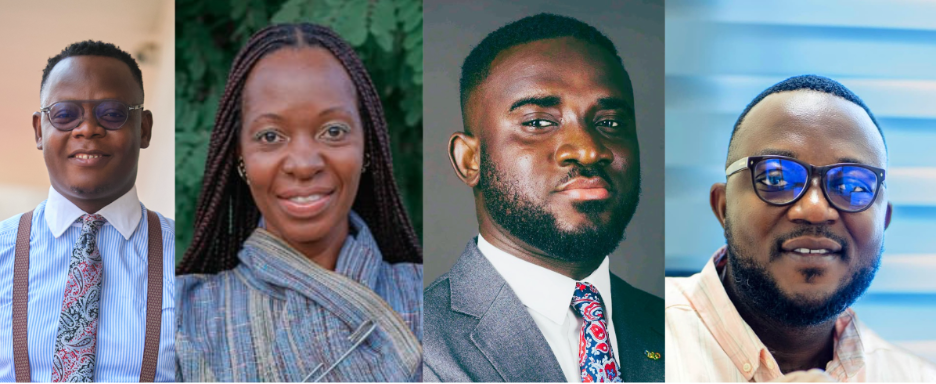
According to Yaw Ofosu Larbi, Features Editor and Storyteller at Sporty FM, the FIFA World Cup is far more than a sporting competition. “The World Cup is not just a football competition; it is a global classroom where nations teach the world who they are,” he said. “Long after the final whistle, people remember the culture, stories, and identity they encountered along the way.”
For Larbi, the lesson for Ghana is one of confidence. “Our culture is one of Ghana’s greatest assets, yet we often underestimate its value. The more confidently we tell our stories, the more memorable and influential we become.”
Creative and marketing expert Venus Tawiah also emphasised the need to place communication at the heart of every sporting campaign. “Communication should never be an afterthought in sports,” she said. “It should sit at the centre of the strategy because every major sporting moment is also a major storytelling opportunity.”
She noted that the most successful countries do not merely send athletes to compete. “They send culture, tourism, business opportunities, and national pride.”
Drawing parallels with Ghana’s successful nation-branding initiatives, she added, “We have proven through initiatives such as the Year of Return that Ghana can execute powerful, coordinated storytelling campaigns. The challenge is applying that same intentionality to sports.”
Drawing on his research into the 2022 FIFA World Cup in Qatar, Dr Noel Nutsugah, Head of the Department of Public Relations at the University of Media, Arts and Communication, argued that qualification itself should be viewed as a strategic communication moment.
“A World Cup qualification is not only a sporting achievement; it is a national public relations opportunity,” he said. “Countries that understand this begin planning their communication strategy long before the tournament begins.”
His caution was equally direct: “If you don’t tell your story strategically, someone else will tell it for you. In today’s world, visibility without intention is a missed opportunity.”
Highlighting the commercial significance of the tournament, Fentuo Tahiru, Head of Sports at Multimedia Group, described the World Cup as perhaps the most powerful marketing platform in existence.
“The FIFA World Cup is arguably the biggest marketing platform on earth,” he said. “Every nation that steps onto that stage is competing not only for trophies but also for attention, influence, and perception.”
According to Tahiru, the countries that win the narrative battle are those that arrive with a story already prepared and consistently communicated. “A nation’s image is no longer shaped solely through diplomacy or politics. Sport has become one of the most powerful tools for building relevance, visibility, and soft power.”
Ultimately, the conversation underscored the need for Ghana to move beyond simply participating in global tournaments and begin strategically leveraging them as platforms for national storytelling. As the panel repeatedly emphasised, the story does not tell itself.
The X Spaces conversation forms part of a broader series of engagements planned for the World PR Day Festival 2026, held under the theme “Reimagining PR.” The festival features an exciting lineup of activities, including masterclasses, industry engagements, virtual conversations, exhibitions, cultural experiences, networking events, and thought-leadership forums designed to advance the practice of public relations across Africa and beyond.
Bringing together professionals, academics, creatives, policymakers, and emerging communicators, the World PR Day Festival 2026 is poised to further position Ghana as a leading voice in shaping global conversations on the future of public relations and strategic communication.
Latest Stories
-
Ho Central Mosque reopens amid unresolved leadership dispute that led to closure
50 minutes -
Minority caucus questions GH¢16.4m in Ablakwa’s SA evacuation spending, demands independent audit
59 minutes -
Gender Ministry meets Nana Akua Addo’s husband over domestic violence after hospital discharge
2 hours -
UG Vice-Chancellor urges swift operationalisation of National Research Fund
2 hours -
Pope Leo to have surgery after lump found in lung
2 hours -
Joseph Cudjoe writes: Ghana must break free from the dangerous mindset that natural resources are the foundation for wealth
3 hours -
Children among 109 dead after boat capsizes off Djibouti, UN says
3 hours -
OmniBSIC Bank’s 11th health walk promotes fitness and business growth
3 hours -
2026 World Maritime Day: Danish Embassy organises “The Gulf of Guinea Speaks”
3 hours -
New Economy will tackle unemployment and restore hope – Ato Forson
3 hours -
IMMILAC president recounts personal losses as security women lead breast cancer awareness campaign in Wa
4 hours -
University of Ghana postpones October 12 reopening as GAUA strike persists
4 hours -
Bahass Foundation launches vocational skills training to support mental health recovery in Wa
4 hours -
NPP orders parliamentary aspirants and their supporters to suspend campaign activities
5 hours -
Techiman unites against child marriage: Joy Impact Makers Awardee leads charge on International Day of the Girl Child
5 hours