

Audio By Carbonatix
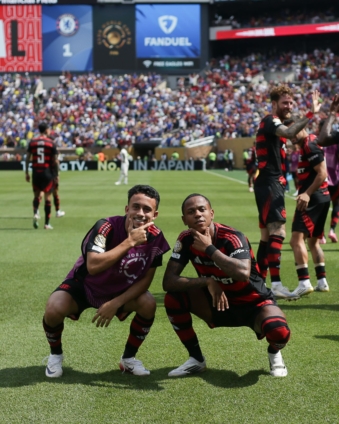
After Flamengo’s 3-1 humbling of UEFA Conference League champions Chelsea in the ongoing 2025 FIFA Club World Cup, a growing debate has emerged: is the supposed superiority of European clubs exaggerated?
The 2025 edition features six South American teams in the expanded 32-team format: Brazil is represented by Palmeiras, Botafogo, Flamengo, and Fluminense, while Argentina fields Boca Juniors and River Plate.
Before Boca Juniors’ narrow 2-1 loss to German champions Bayern Munich, South America's representatives had gone unbeaten through their first nine matches. Palmeiras, Botafogo, Flamengo, and River Plate each topped their respective groups, underscoring the continent’s strong showing.
Elsewhere, Monterrey and Inter Milan played to a 1-1 draw, as did Al Hilal and Real Madrid—a clash that Al Hilal fullback João Cancelo later described as “a very balanced match.”
Believe it or not, South American clubs have historically performed well against European opposition when the two continents meet on the global stage.
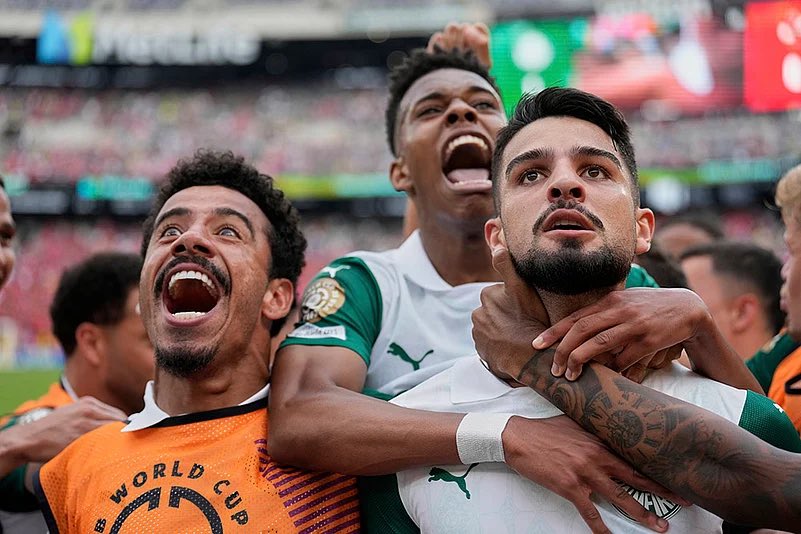
For instance, in the now-defunct Intercontinental Cup (1960–2004), where the champions of South America and Europe faced off, South American teams won 22 times compared to Europe’s 21.
However, since the format changed to the FIFA Club World Cup, only one South American team—Brazil’s Corinthians—has won the tournament. The rest of the titles have gone to European clubs. Notably, no Argentine club has lifted the trophy since the tournament’s inception in 2000.
So the question remains: is the dominance of European clubs overstated because of their high commercial value, or is there truly a significant quality gap between the continents?
Different stages in the season
One critical factor is timing. While European and African clubs entered the tournament at the end of their domestic seasons, South American clubs are in the thick of theirs.
Take Flamengo, for example. Before heading to the U.S. for the Club World Cup, they had already played 11 league matches—winning 7, drawing 3, and losing just once.
In fact, all the Brazilian teams in the tournament had played 11 league games before the World Cup began.
Argentine sides had even more match experience, with Boca Juniors and River Plate having played 16 games each.
In terms of match fitness, these teams have a clear advantage—and it’s not a small one.
While Flamengo ran circles around Chelsea—credit where it's due—it’s important to acknowledge that the Brazilian club is currently leading their domestic league and advancing in the Copa Libertadores. Botafogo, who defeated Champions League winners PSG, along with River Plate and Palmeiras, are in similarly strong form.
The weather factor
The heat and humidity in the U.S. this time of year have also been a major storyline.
After PSG’s commanding 4-0 win over Atlético Madrid in Pasadena, California, manager Luis Enrique remarked bluntly: “The teams are suffering.”
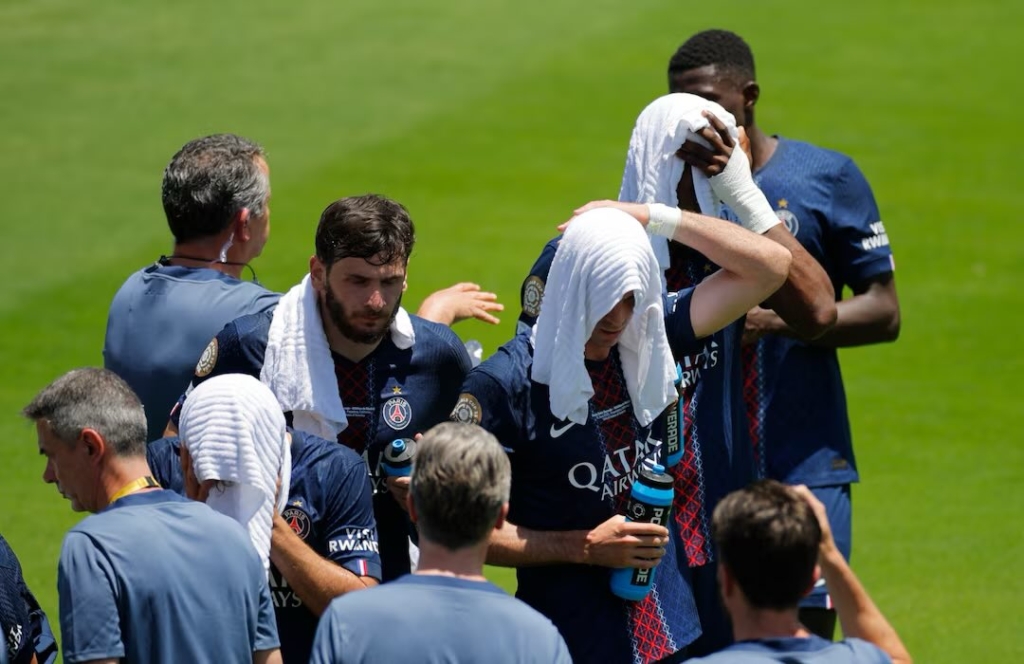
The game, played in front of 80,000 fans at the Rose Bowl, served as an early warning for the 2026 World Cup, which will be held across 16 stadiums in the U.S., Canada, and Mexico. Only five of those venues have roofs; the remaining 11 are open-air and subject to extreme summer conditions. Of those, seven are already seeing forecasts of temperatures in the 90s—conditions expected next June.
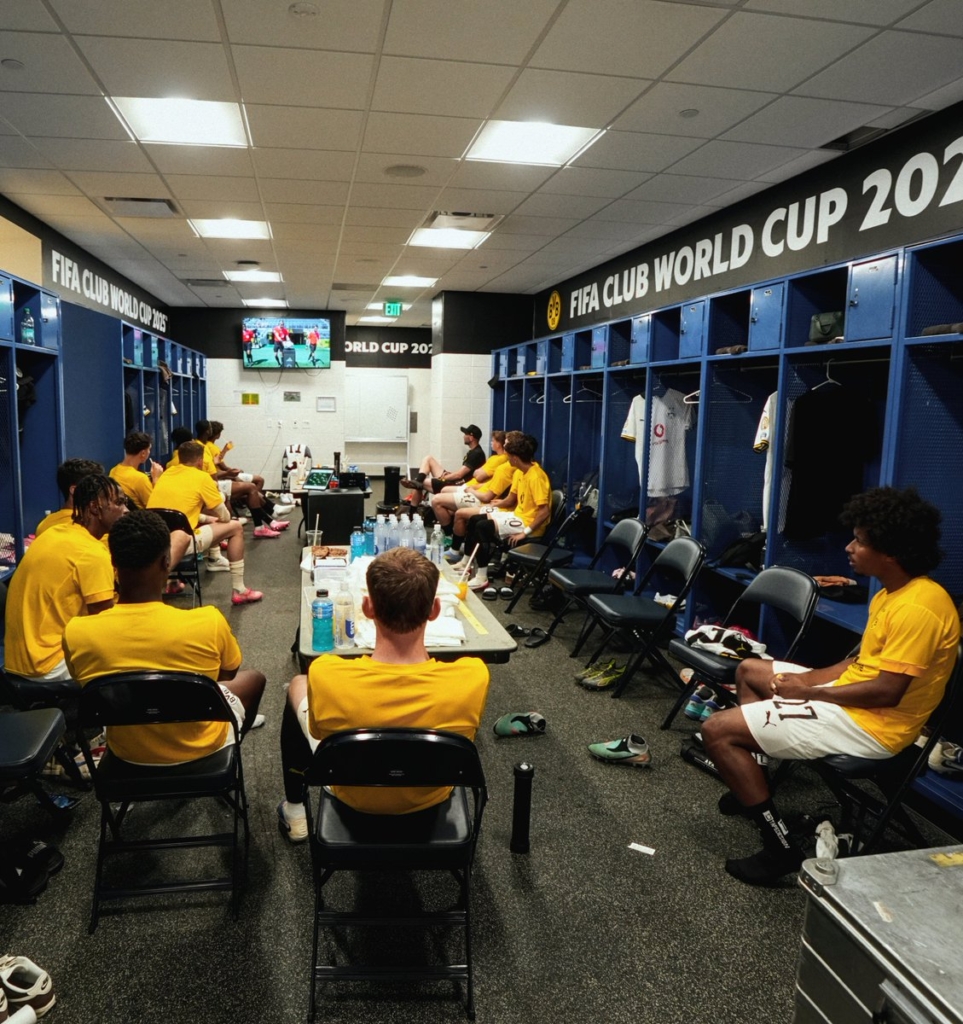
In the short term, the Club World Cup is also affected. On Sunday in Philadelphia, Juventus and Wydad will play under the midday sun with temperatures climbing into the mid-90s. On Tuesday, Benfica and Bayern Munich will face off in Charlotte at 3 p.m., again under intense heat. Evening matches in East Rutherford, NJ, and Philadelphia—such as Al Ahly vs. Porto and Espérance Tunis vs. Chelsea—could kick off in 98–100-degree conditions.
These are real obstacles for European teams—conditions that players from South America, North America, and clubs like Al Hilal are more accustomed to.
“We are used to the heat,” said Al Hilal’s Brazilian winger Malcom, after holding Real Madrid to a draw in Miami’s humid conditions. In contrast, Atlético Madrid midfielder Marcos Llorente called an 88-degree afternoon in Southern California “impossible.”
It’s clear that the quality of play from European clubs has dipped, in part due to the need to acclimate to these challenging conditions.
Conclusion
While there are several factors working for or against European clubs in the Club World Cup, one truth remains: football must be played on the pitch—not on reputation alone.
Every team came into this tournament with the intention of winning. Champions find ways to overcome adversity.
Bayern Munich, for example, are showing their pedigree with two wins from two—against Auckland City and Boca Juniors—despite the conditions.
Although there's a vast disparity in spending power between clubs, the actual gap in playing quality is not as wide as many assume.
There’s little to separate Borussia Dortmund from Fluminense, or even Chelsea from Flamengo.
What many European football loyalists fail to grasp is just how much street-smart grit, unity, and pure desire can close the gap—at least for 90 minutes. A $100 million team playing with conviction can cause serious problems for a $1 billion side.
South American clubs, supported by passionate fanbases, have brought that fire into the tournament—and it’s showing.
So far, the Club World Cup hasn’t proven European clubs to be unquestionably superior. Rather, it has highlighted just how competitive the global game has become—and that the gap between continents may not be as vast as some believe.
Latest Stories
-
Baffour Awuah cooperating with investigators after surrender and arrest – EOCO
8 minutes -
Destruction of aspirants’ posters breaches democracy—Ashanti NPP Communications Director
18 minutes -
BNI investigates Ampofo Ankrah over alleged $623,000 World Cup visa scheme
30 minutes -
NPP National Delegates Conference: Police announce road closures, diversions around Baba Yara Stadium
38 minutes -
Agric Committee demands financing plan for Pwalugu Irrigation Project before 2027 Budget
40 minutes -
Minority calls for the immediate suspension of Ghana-Colombia maritime agreement
51 minutes -
Ghanaian professional Sydney Hushie appointed UNFPA Chief of Digital Centre of Excellence
56 minutes -
GHS urges health managers to use community scorecards to improve healthcare delivery
1 hour -
Ekyeamamfrom-Pivot irrigation project 90% complete but stalled over unpaid certificates
1 hour -
When the Gavel speaks, where is the choir that once sang for Wontumi?
1 hour -
NPP does not need a new chairman: It needs a brand architect
1 hour -
GNFS contains fire at Avenor North Industrial Area in Accra
1 hour -
NITA appoints Anthony Owusu-Ansah as Acting Deputy Director-General
1 hour -
RANA warns Salomey Bafoh case could have chilling effect on free expression
1 hour -
Who is the ‘hero’ Indian pilot who was stabbed on Israel-bound flight?
2 hours