

Audio By Carbonatix
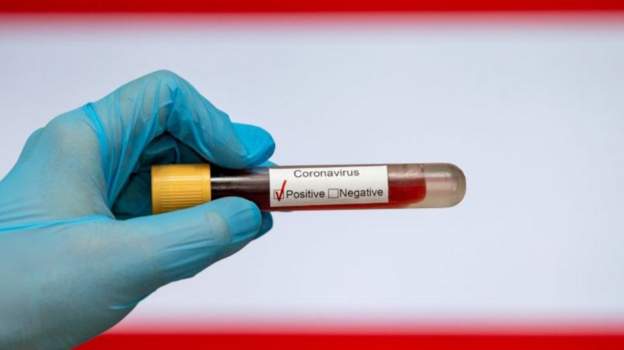
The new coronavirus may remain infectious for weeks on banknotes, glass and other common surfaces, according to research by Australia’s top biosecurity laboratory that highlights risks from paper currency, touchscreen devices and grab handles and rails.
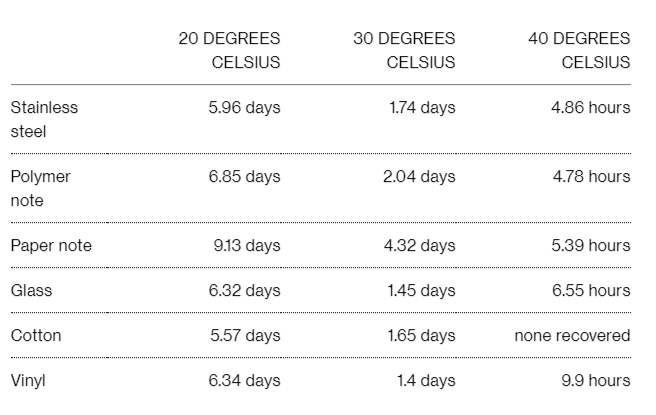
Scientists at the Australian Centre for Disease Preparedness showed SARS-CoV-2 is “extremely robust,” surviving for 28 days on smooth surfaces such as glass found on mobile phone screens and plastic banknotes at room temperature, or 20 degrees Celsius (68 degrees Fahrenheit). That compares with 17 days survival for the flu virus.
Virus survival declined to less than a day at 40 degrees Celsius on some surfaces, according to the study, published Monday in Virology Journal. The findings add to evidence that the Covid-19-causing coronavirus survives for longer in cooler weather, making it potentially harder to control in winter than summer.
The research also helps to more accurately predict and mitigate the pandemic’s spread, the researchers said.

“If we couldn't control it very well during the summer, we are in for a big surprise.”
Here’s how the #coronavirus will be different in winter, according to @KState virologist Juergen Richt, who tested #Covid19 on different surfaces. More @business: https://t.co/yJCWECcIKN pic.twitter.com/mWNCxI7ToO— Bloomberg QuickTake (@QuickTake) September 18, 2020
“Our results show that SARS-CoV-2 can remain infectious on surfaces for long periods of time, reinforcing the need for good practices such as regular hand washing and cleaning surfaces,” said Debbie Eagles, the center’s deputy director, in an emailed statement.
The coronavirus tended to survive longer on nonporous or smooth surfaces, compared with porous complex surfaces, such as cotton.
The research received funding from Australia’s defense department. It involved drying the coronavirus in an artificial mucus on different surfaces, at concentrations similar to those reported in samples from infected patients, and then re-isolating the virus over a month.
The study was also carried out in the dark, to remove the effect of ultraviolet light, as research has demonstrated direct sunlight can rapidly inactivate the virus.
The time taken to achieve a 50% reduction in the amount of virus present on the surfaces studied under different temperatures is tabled below:
“While the precise role of surface transmission, the degree of surface contact and the amount of virus required for infection is yet to be determined, establishing how long this virus remains viable on surfaces is critical for developing risk mitigation strategies in high contact areas,” Eagles said.
Transmission Risk
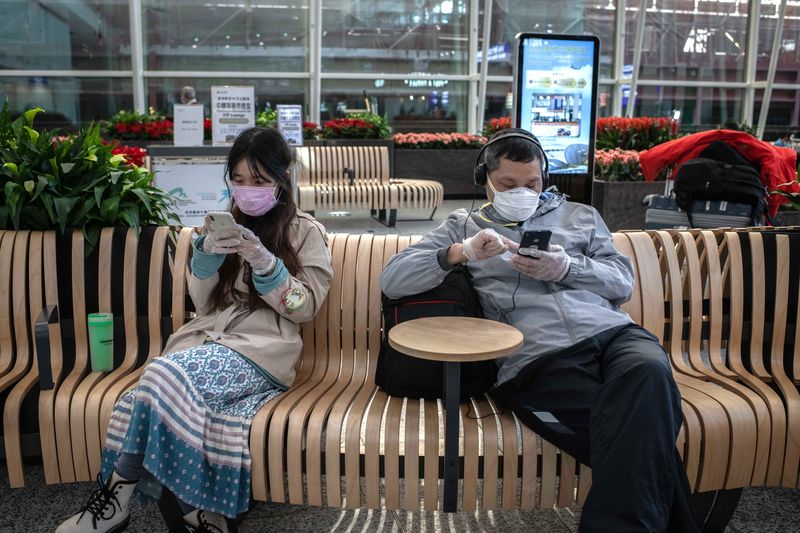
The persistence on glass is an important finding, given that touchscreen devices such as mobile phones, bank ATMs, supermarket self-serve checkouts and airport check-in kiosks are high touch surfaces which may not be regularly cleaned and therefore pose a transmission risk of SARS-CoV-2, the researchers said in the paper.
They found the longer survival time of SARS-CoV-2 than seasonal flu on banknotes “of particular significance, considering the frequency of circulation and the potential for transfer of viable virus both between individuals and geographic locations.”
Before SARS-CoV-2 was declared a pandemic, China had started decontaminating its paper currency, suggesting concerns over transmission via paper banknotes existed at the time, the researchers said, noting that the U.S. and South Korea have also quarantined bank notes as a result of the pandemic.
The survival of the coronavirus on stainless steel at cooler temperatures may help explain Covid-19 outbreaks linked to meat processing and cold storage facilities, the authors said. Their data support the findings of a study showing the survival of SARS-CoV-2 on fresh and frozen food as well, they said.
“The research may also help to explain the apparent persistence and spread of SARS-CoV-2 in cool environments with high lipid or protein contamination, such as meat processing facilities and how we might better address that risk,” Trevor Drew, director of the Australian Centre for Disease Preparedness, said in the statement.
Latest Stories
-
29 Players to commence Black Starlets preparations ahead of 2026 WAFU U-17 Championship
2 minutes -
U-20 Women’s World Cup: Sampson demands response after ‘cheap’ goals cost Ghana
6 minutes -
Ghana had no budget for South Africa evacuation but had to act – Ablakwa
7 minutes -
Here’s how much Government spent evacuating Ghanaians from South Africa
14 minutes -
GIGS commends Armed Forces for Accra-Kumasi Expressway progress
15 minutes -
Ibrahim Mahama’s Engineers & Planners contributed GH¢16m as gov’t spent GH¢33.72m on SA evacuation
30 minutes -
Errand boy linked to murder of Dr Jesse Amuah, wife deported from Dubai
37 minutes -
New cost-sharing model for Digital TV broadcasters to take effect in 2027
1 hour -
Poor English, Maths performance shows Ghana’s literacy crisis – Dr Peter Anti
1 hour -
Xenophobic attacks: 1,964 Ghanaians evacuated from South Africa – Ablakwa
1 hour -
Ghana’s SIM registration history from 2010 to the new biometric verification system
1 hour -
Police arrest dozens, recover weapons in nationwide anti-robbery operations
2 hours -
Parents cautioned against fraudsters promising SHS placement changes
2 hours -
Selecting schools after results a backward approach – Abuakwa MP
2 hours -
Ransford-Yeboah Königsdörffer scores on emotional return as Mainz hammer Hamburg 5-0
2 hours