

Audio By Carbonatix
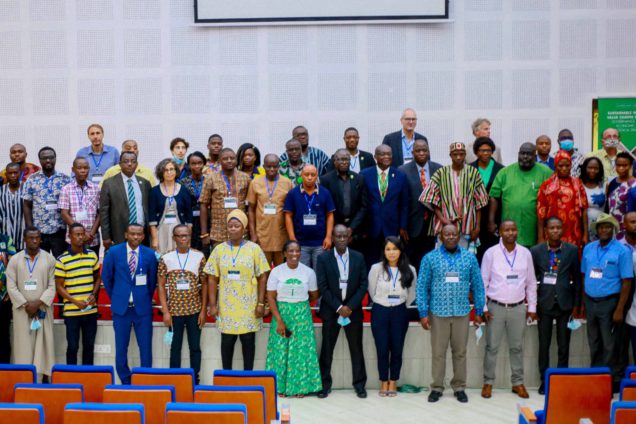
About five hundred scientists and researchers are meeting at the KNUST to fashion out ways of enhancing the sustainable production of charcoal across Africa.
The conference is connecting policymakers and the private sector to advocate and explore strategies for scaling up.
Research shows wood fuel constitutes over 70 percent of the energy needs for cooking and heating in sub-Saharan Africa.
Scientists have observed consumption is on the rise, but accessibility to many households is characterized by poor harvesting and processing practices.
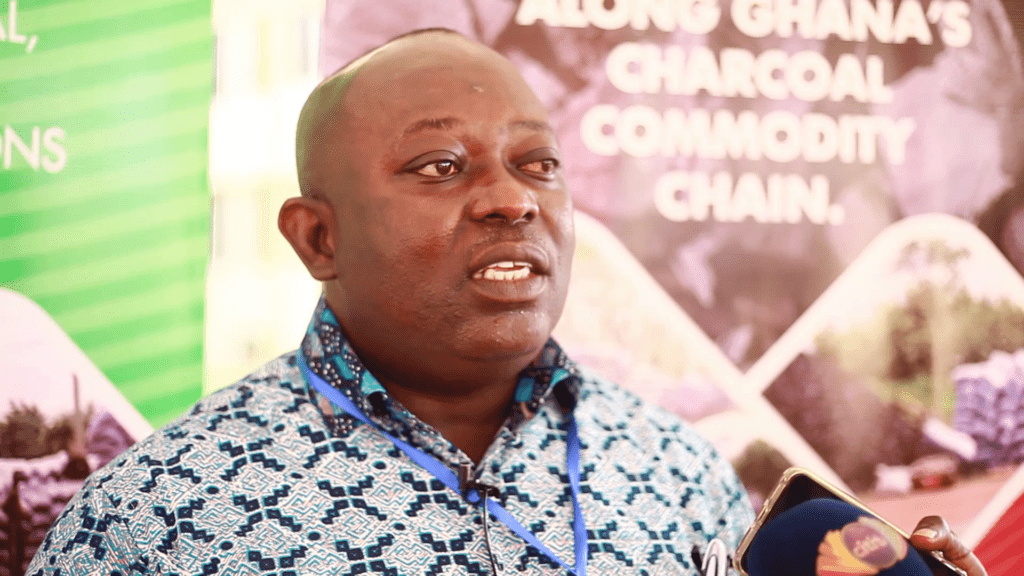
Professor Emmanuel Acheampong is the principal investigator of the conference.
“We are looking at ways in which we can enhance the contribution of charcoal to livelihoods while avoiding the undermining of raw materials on which charcoal is based. We need to find innovative ways to produce charcoal”, he said.
He then indicated that “A major solution is for institutions to establish their own woodlots so they can produce charcoal sustainably.”
The Conference's objective is to promote understanding and sharing of knowledge and good practices among scholars and practitioners in the wood fuel sector.

Dr Christian Pilegaard Hansen, from the University of Copenhagen, is the Project Organiser.
He said, “there is a risk for plantation if charcoal production is not done properly. It can dispossess people living on the land for livelihoods.”
“Government institutions like the Ministry of Land and Natural Resources and the Ministry of Energy can formalize the sector to regulate the way charcoal is produced and traded in this country”, he added.
The three-day conference was organized by the University of Copenhagen in partnership with Tropenbos Ghana, KNUST, the UN Food and Agriculture Organization, World Agroforestry and other international agencies.
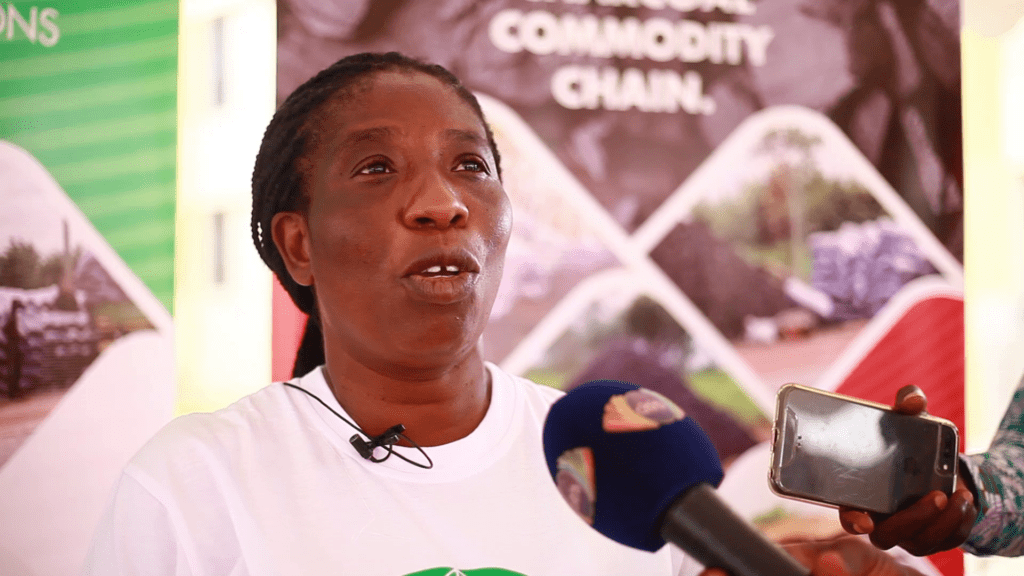
Director of Tropenbos Ghana, Mercy Owusu-Ansah, said, “all stakeholders in the wood fuel production should come together to push the agenda.”
She said her outfit, “is ensuring leaders are sharing ideas and responding to issues on sustainability.”'
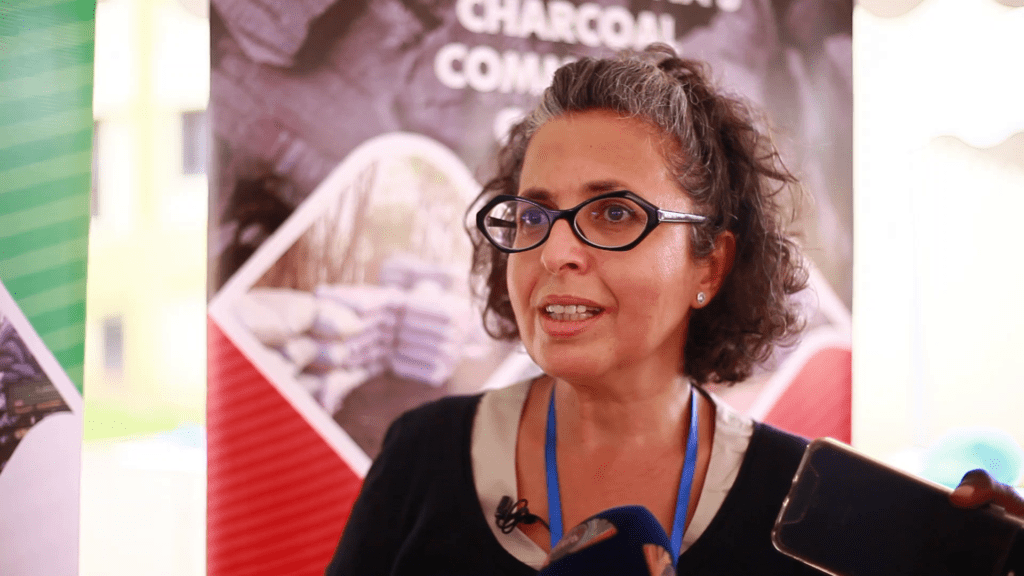
FAO Regional Office representative, Nora Berrahmouni reiterated the need for the forest to be restored.
She says, “restoration is not only at planting but also having good support and formalization of the sector. We must ensure people use the sustainable standard in production, and management of the forests as well as supply.”
Latest Stories
-
GoldBod gets BoG authorisation to sell forex, Sammy Gyamfi tells PAC
3 seconds -
Ghana Water revenue mobilisation below 50% of potential – MD
7 minutes -
Ghana’s democracy must accommodate dissent and constructive criticism – Haruna Iddrisu
7 minutes -
Fact check: Trump posts fake quote of Denzel Washington supposedly praising him
8 minutes -
UPSA students lament high fees at private hostels, call for government intervention
19 minutes -
We will upgrade Ghana’s credit ratings if government maintains fiscal discipline, policy effectiveness – Moody’s
20 minutes -
Gender Ministry supports four siblings allegedly sexually abused by their father
24 minutes -
UMB MD wins ‘CEO of the Year’, banking category at 2026 Ghana Credit Excellence Awards
25 minutes -
Don’t throw away empty egg cartons — 6 smart ways to reuse them
28 minutes -
GoldBod poised to surpass 2025 forex performance – Sammy Gyamfi
29 minutes -
Old students of Peki SHS break ground to give 70-year-old school infrastructure a facelift
43 minutes -
Ablakwa facing ‘personal vendetta’ over refusal to grant Nana B service passport – Majority
44 minutes -
Every year, the lawyers come out, and so does the nonsense! – Ace Ankomah writes
57 minutes -
Digital transformation without an ownership culture can digitise poor service
60 minutes -
Fishing communities demand revocation of offshore gold exploration licences over livelihood concerns
1 hour