

Audio By Carbonatix
There is an urgent call for the government and its development partners to actively engage permaculturists and civil society actors in developing permaculture policy frameworks to protect the environment.
Permaculture development, according to scientists and experts in integrated development management, will go a long way towards mitigating the devastating effects of climate change, eradicating poverty, and empowering practitioners to increase productivity and economic growth.
According to Dr. John Akparep, Senior Lecturer at the S. D. Dombo University of Business and Integrated Development Studies and Board Chairman of the Ghana Permaculture Institute, it is critical that stakeholders pay special attention to the environment.
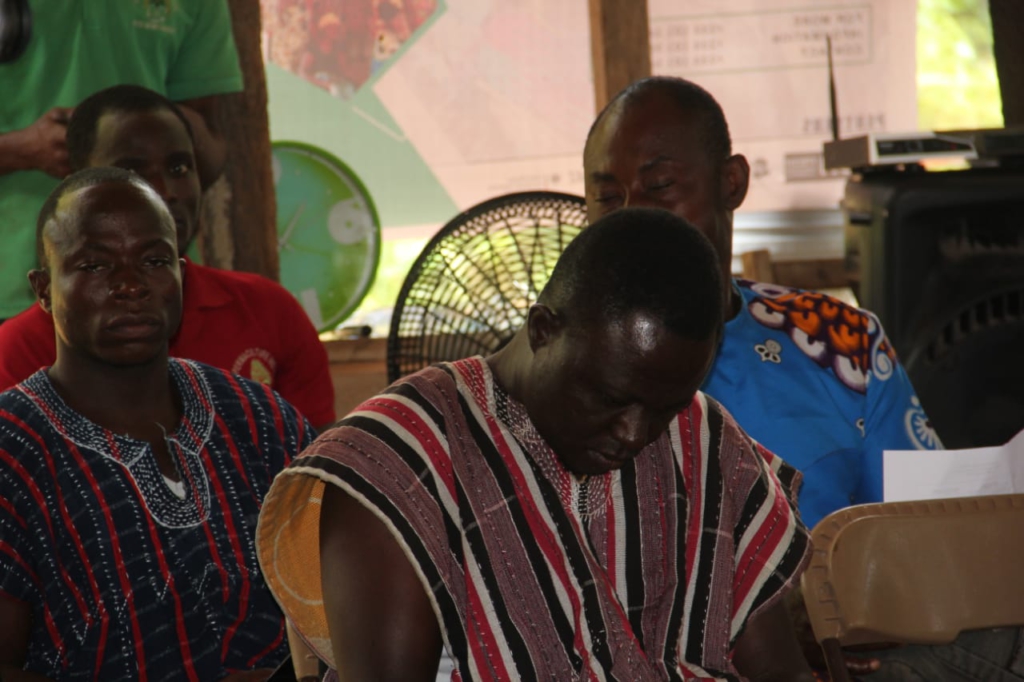
He was speaking at the launch of the BMZ-SONED-GPI phase two project on poverty reduction, livelihood empowerment, and environmental sustainability.
The first phase of the project, which concluded in 2018, empowered and trained 4079 farmers in permaculture and ecovillage techniques. The second phase of the project is expected to benefit an estimated 2,250 smallholder farmers, particularly youth and women in agriculture.
By the end of the next three and a half years, GPI hopes to have directly helped individuals and given them the tools they need to engage in self-sustaining activities like producing honey and moringa.
"We have had series of training for the youth, many of whom are women," Dr. Akparep said.
Strengthening the permaculture system has the potential to significantly improve the socioeconomic livelihoods of many rural poor Ghanaians and assist farmers in producing more food with fewer resources.
According to Dr. Akparep, if investment is made in the sector, permaculture will continue to support Ghana's economy by providing employment, food and medicinal crops and plants, wildlife habitats, crafting materials, and a private relaxing atmosphere throughout the year.

According to Mr. Charles Katere, Deputy Director of the Ghana Permaculture Institute, the project will primarily help the Bono East, Ahafo, Northern, and Upper West regions.
"We believe that at the end of the day, we would be able to create market for the farmers."
Some beneficiary farmers say permaculture reduces farming costs, produces less waste, and is chemical resistant, all of which contribute to sustainable agriculture and promote economic growth and development.
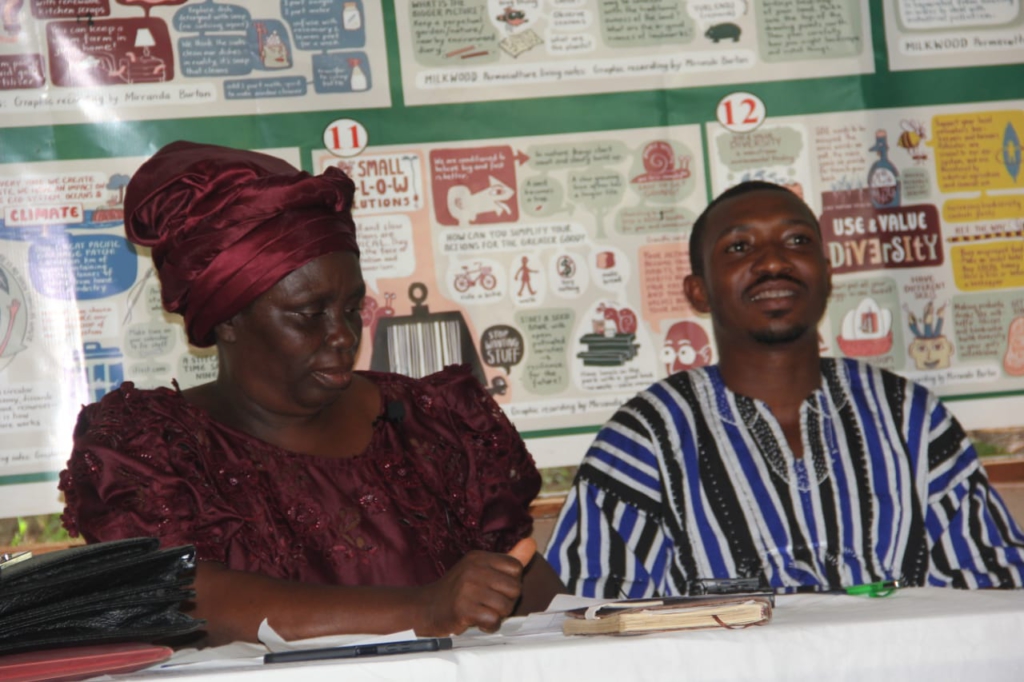
Madam Joyce Kodom, a moringa farmer, said, "I think everyone should take the moringa business seriously. It has helped in keeping my family's necessities."
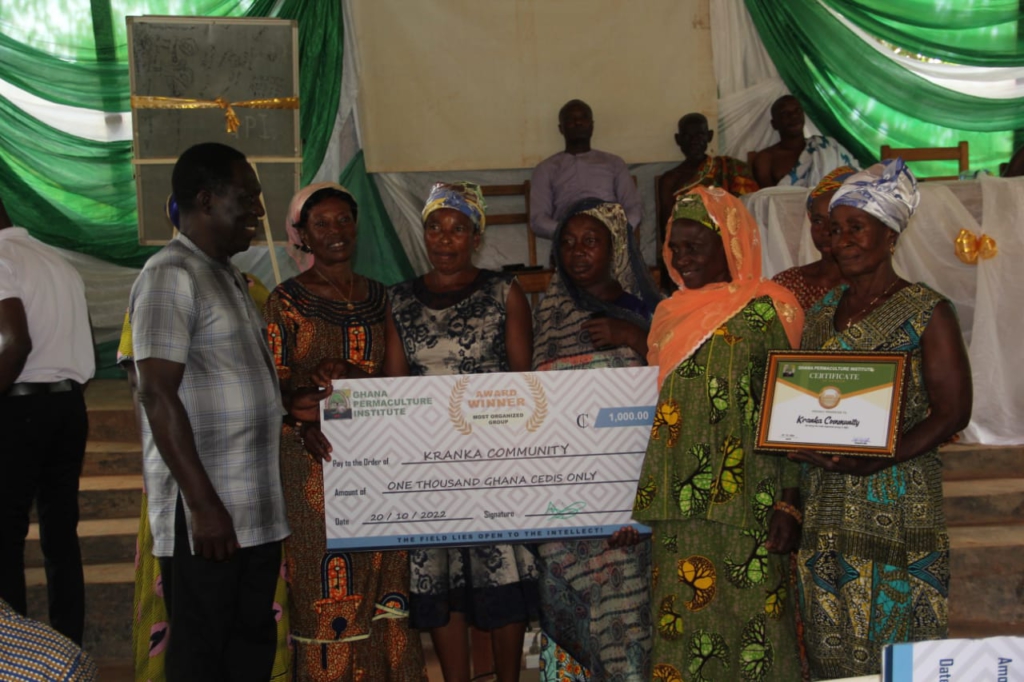
Four farmers each received one thousand Ghana cedis as an award for their dedication and hard work in ensuring the successful implementation of previous projects.
The Ghana Permaculture Institute's mission is to promote sustainable agriculture, and livelihood empowerment.
Latest Stories
-
Gov’t invests GH¢443m in Free Primary Health Care – Dr Asare Bampoe
15 minutes -
ECG announces power outages in parts of Accra West and Central regions
34 minutes -
Otumfuo calls for urgent action to end maternal deaths in Ghana
36 minutes -
Prioritise Bawumia’s interest and vote on merit – NPP elder urges delegates
37 minutes -
Jason Arday death ‘tragedy on so many levels’ says PM
2 hours -
Rotary Club donates phototherapy machine to Ussher Hospital
2 hours -
Analysis: Jason Arday’s death will send shockwaves through a divided academia
2 hours -
CJ’s vacation warrants not limited to politically sensitive cases – Victoria Bright
3 hours -
Parts of Accra to experience power interruption on Sunday for emergency GRIDCo tower restoration
3 hours -
Dafeamekpor defends Ayine’s handling of Aksa case, faults past AGs
3 hours -
Luv FM High School Debate: Afigyaman, OKESS seal Round of 16 spots in style
3 hours -
Dafeamekpor urges Parliament to stay out of Aksa probe, backs expert-led inquiry
3 hours -
The rise and rise of Azigi
4 hours -
Is Angela List being targeted? Government must reconsider the Adamus revocation
4 hours -
Bezos-backed consortium buys a third of Liverpool
4 hours