

Audio By Carbonatix
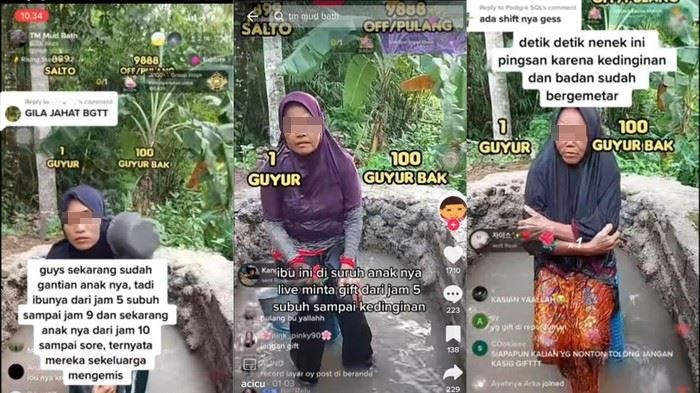
Begging is reportedly going digital in Indonesia, with street beggars posting clips on TikTok asking for virtual gifts instead of actually going out on the street.
TikTok begging has reportedly become such a widespread phenomenon in Indonesia that the Government has been forced to step in to reign it in.
The Asian country’s social minister has asked her staff to increase efforts of preventing begging, both online and offline, and Muslim groups have appealed to the general public in an attempt to stop “begging and asking for free goods and money,” which they claim “demean human honor” and are forbidden in Islam.
However, there is little they can do against the wave of beggars enticed by TikTok’s gift-offering features, which allow them to exchange virtual gifts for real money.
Byte Dance’s popular video-sharing platform allows creators with at least 1,000 followers to receive virtual gifts from their followers, gifts that can then be converted into actual money.
This is a feature available on a slew of other social media platforms, but the popularity of TikTok apparently made it perfect for beggars.
Instead of spending several out on the street, asking for handouts from generous passers-by, TikTok beggars need only record a video of themselves performing some pity-inducing acts, post it on the popular social network, and watch the money start rolling in.

One popular trend has seen beggars, especially elderly women, appeal to viewers’ generosity by pouring mud water over themselves. Some of these mud baths can go on for hours and are apparently pretty profitable considering how popular they have become. Sadly for these modern beggars, the government has been cracking down on this sort of content, asking the platform to delete mud bath videos.
Despite the Indonesian Government’s attempts to curb the popularity of TikTok begging, experts say the trend is likely to continue as long as people continue to believe that they do good by giving directly to beggars.
“In the digital world, the way we give help doesn’t feel like we are giving help, for example by giving gifts, or symbols or features. These gifts can then be capitalized on by the person asking for help,” Devie Rahmawati, a sociologist at the University of Indonesia, said.
Interestingly, Indonesia makes up TikTok’s second-biggest user base in the world with 99.1 million users, behind only the United States.
Latest Stories
-
The Forgotten “Little Children”
6 minutes -
Zambians warned not to eat dead wildlife after anthrax kills dozens of animals
8 minutes -
AG urges GBA to remain the conscience of Ghanaian society
21 minutes -
24-Hour Economy: Minority questions demolition of schools, markets and other public assets
23 minutes -
China criticises idea it is in ‘malicious competition’ over AI
25 minutes -
Russia hits Ukrainian train shortly after Boris Johnson and top European officials leave station
26 minutes -
Sista Afia reveals fears about becoming a single mother
29 minutes -
Gov’t 24-Hour Economy markets programme is an afterthought – Minority
30 minutes -
Minority wants traders, residents heard before 24-Hour Market projects
30 minutes -
Minority demands review of 24-Hour Market programme over ‘poor planning’
32 minutes -
GIPS calls for strategic procurement to drive inclusive industrial growth
34 minutes -
Ato Forson leads NDC 2028 flagbearer poll with 32% support – Global InfoAnalytics
37 minutes -
Daily Insight for CEOs: The CEO’s role in building leadership capability
42 minutes -
AG to introduce Legal Practitioners Standard Board Bill in Parliament
51 minutes -
AG proposes Bar Welfare Fund to provide social protection for lawyers
56 minutes