


Audio By Carbonatix
Hundreds have died after flash flooding hit northern Afghanistan, with warnings the death toll could rise after further storms across the region.
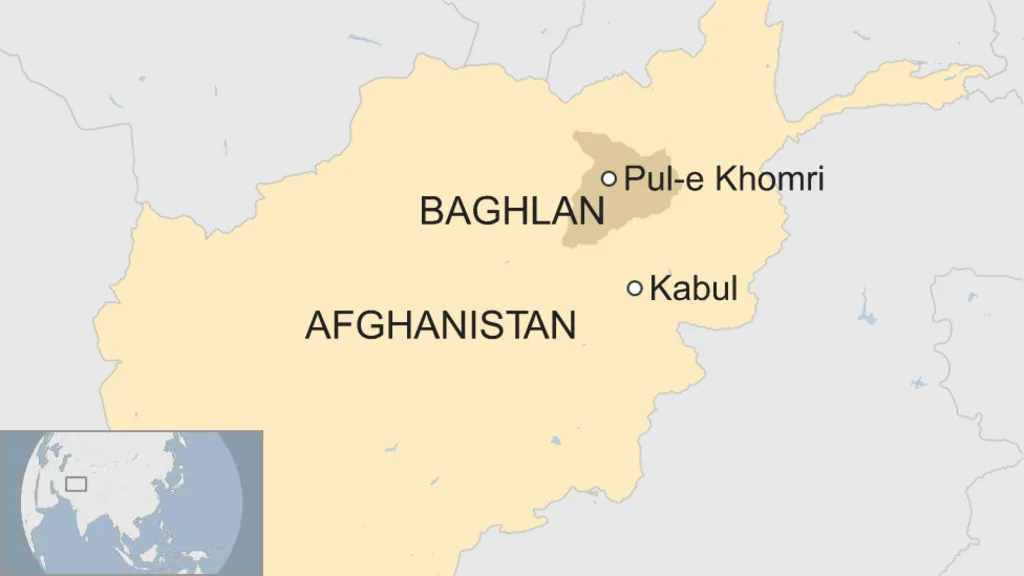
Taliban officials say at least 150 have been killed, while the World Food Programme says the number surpasses 300, after heavy rainfall hit five districts in Baghlan province on Friday night.
Pictures on social media showed torrents of water sweeping through houses in several villages, leaving a trail of destruction in its wake.
The country has been hit by unusually heavy rainfall over the last few weeks, with floods killing scores of people since mid-April.
Abdul Mateen Qani, a spokesman for Afghanistan's interior ministry, told the BBC that at least 131 people had died in Baghlan province and 20 in Takhar.
Rana Deraz, a communications officer for the UN's World Food Programme told the AFP news agency there had been 311 deaths in Baghlan.
Ms Deraz said 2,011 houses had been destroyed and an additional 2,800 damaged.
Three mosques, and four schools were also affected.
Many of those who had died came from the province's Borka district where more than 200 people had been trapped inside their homes.
There are also reports of severe damage in the provinces of Badakhshan, Ghor and western Herat.
Local official Hedayatullah Hamdard told AFP news agency emergency personnel including the army were "searching for any possible victims under the mud and rubble".
Tents, blankets and food were provided to some families who had lost their homes, the official added.
The main road connecting Kabul to northern Afghanistan is closed.
It comes after flooding last month in the west of the country killed dozens of people, leaving thousands requiring humanitarian aid.
Flash flooding happens when rain falls so heavily that normal drainage cannot cope.
Experts say a relatively dry winter has made it more difficult for the soil to absorb rainfall. Vast areas of farmland have also been submerged.
Torrential rain and flooding kill people every year in Afghanistan, where badly built houses in isolated rural areas are particularly vulnerable.
Afghanistan is among the globe's most at risk nations from the effects of climate change, according to experts.
The nation is one of the poorest in the world, having been ravaged by decades of war which culminated in the withdrawal of a US-led coalition and the Taliban retaking control in 2021.
Many factors contribute to flooding, but a warming atmosphere caused by climate change makes extreme rainfall more likely.
The world has already warmed by about 1.1C since the industrial era began and temperatures will keep rising unless governments around the world make steep cuts to emissions.
Latest Stories
-
JoyNews-Republic Bank Habitat Fair finale turns homeownership dreams into real possibilities
9 minutes -
Bamiri chief commissions KG block, guest house to boost education and revenue
27 minutes -
NSMQ 2026: Yaa Asantewaa Girls’ going ‘beck’ to Tanoso after Bishop Herman deals them early exit
51 minutes -
Data Protection Commission acquires two vehicles to strengthen data protection enforcement
1 hour -
NSMQ 2026: Holy Child School storms back from two-year NSMQ absence to book One-Eighth ticket
3 hours -
GNFS dismisses reports of unpaid 2025 rent allowance
4 hours -
Gordon Asare-Bediako steps down from NPP Communications Director race, backs Dennis Aboagye
4 hours -
GES dismisses requirement for newly promoted teachers to submit documents for salary adjustments
4 hours -
Meko Bono 2026: Vice President pledges agricultural revival as Atebubu hosts grand homecoming
5 hours -
Russian skydiver Sergey Boytcov sets world record with 11,551-metre stratosphere jump
5 hours -
Ablakwa-led committee submits five reports to Mahama ahead of 2027 AU chairmanship
5 hours -
Africa not seeking Western cash in reparations campaign – Ablakwa
5 hours -
Production decline, reserve depletion threaten Ghana’s upstream sector – Jinapor
6 hours -
Surveyors caution against treating compensation disputes as professional misconduct
6 hours -
Mahama calls for AU dialogue on migration after South Africa xenophobic tensions
6 hours