

Audio By Carbonatix
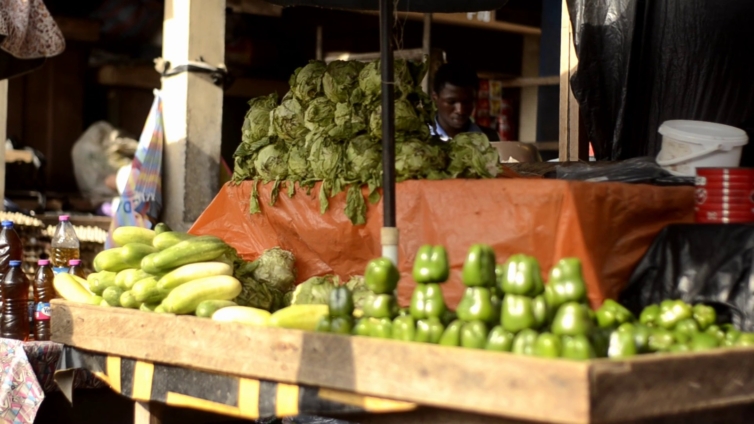
Prices of vegetables like carrots, lettuce, green pepper have seen a sharp increase affecting their sale on the market.
The situation is forcing many vendors to dispose of the perishable goods as some traders say they are beginning to record low sales and cannot break even.
Luv Business engaged actors in the value chain as experts predict an influx of the commodities in the coming months.
“Two of the carrots are selling at 15 Ghana cedis and four of the green pepper go for 5 cedis,” Helen, a vegetable trader, at the Ejisu market explains the costs of the vegetables she sells.
“I can’t sell this small quantity at a lesser price because I won’t break even,” she added.
Dorcas, also a vendor, sells cabbage, lettuce and other vegetables at the market.
The cost of her commodities has shot up twice the usual price.
“You could get more for the vegetables you buy. But now you will get less,” she lamented.
Prices of vegetables have in recent times increased astronomically, seeing an almost 100% price surge.
The traders attribute the price hike to the scarcity of the commodities and cost involved in transporting them from neighboring countries.
“We import some from Asante Mampong and others from Morocco. They are scarce because of the low rainfall. The lorry fares have also shot up the price,” the traders said.
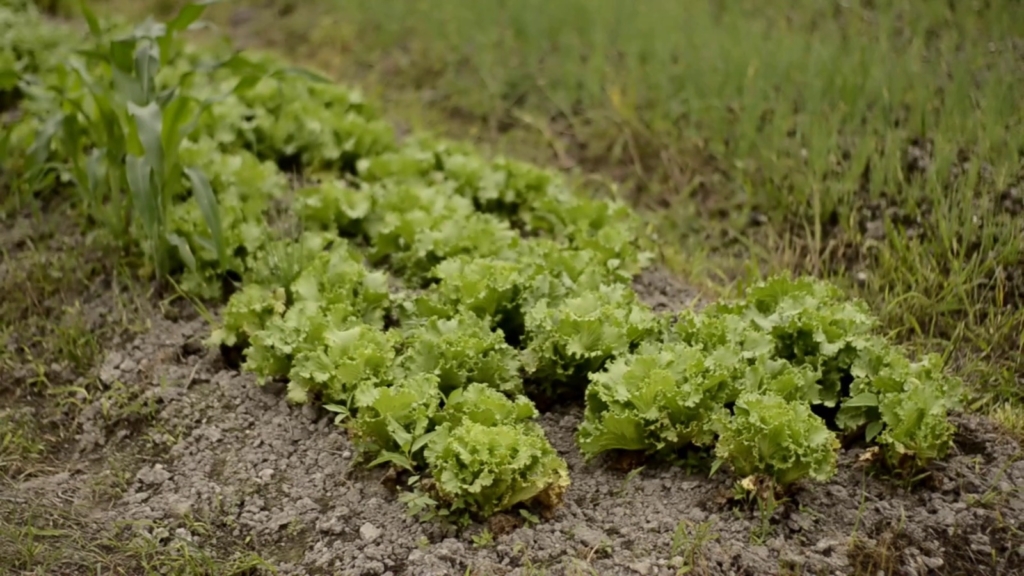
Ghana has over the years imported a number of its farm produce like vegetables from neighboring countries including Côte D’Ivoire, Burkina Faso, Niger and Mali.
The incessant taste for foreign produce begs the question, “what is happening to the agricultural sector?”
Experts attribute the dwindling sector growth to the changing weather pattern and other logistical support for industry players, especially farmers.
Director of Agriculture in the Ejisu municipality, Dr. David Anambam says the reduced supply of the commodities is a major factor contributing to the soaring prices.
He says a farming system dependent on irrigation is needed for all-year-round production to promote agriculture in Ghana.
“Many farmers are not working now during the off season especially those without irrigation. Because there are a few left and the demand is more than the supply, it will surely shoot up. If you want to promote agriculture under rain-fed agriculture, it will be slow,” he said.
Anthony Okyere, a vegetable farmer in the Ejisu municipality, like many farmers across the country, faces existential threats to his inherited farming business.

"The high sun intensity burnt all the crops. I nearly gave up after seeing my farm,” he sadly recounted.
For centuries, farming in Ghana has solely been dependent on rainfall, which agricultural experts say is a bane to the growth of the sector.
An agricultural economist at the Crops Research Institute of the Council for Scientific and Industrial Research, Dr. Natson Eyram Amengor is proffering possible solutions to the perennial challenge.

“If we want an immediate solution, it would be on improving the access roads and for long term, we should look at moving away from rain-fed agriculture. We must enhance our storage and processing systems. Most often there are no storage facilities, so during the times where there is abundance of foodstuff, they go waste,” he said.
The increased prices of the commodities are heavily affecting their sales as the traders begin to experience low sales and post-harvest losses.

“Our commodities are getting rotten. We have to dispose them of,” Dorcas, the vegetable trader, added.
But despite the prevailing scarcity and challenging economic climate, vegetable consumers and traders should expect an ease soon.

“Somewhere in June-July we should expect more vegetables on the markets once the farmers begin to have the rains,” Dr. Anambam assured.
For the time being, lovers and vendors of vegetables must bear the brunt of soaring commodity prices
Latest Stories
-
FWSC consults Organised Labour on transition to IPEC
5 minutes -
Why Afrobeats artistes shouldn’t stick to what fans like – Rema
25 minutes -
Ghana Water Limited clarifies mandate over river turbidity data
28 minutes -
Oil climbs as fading US-Iran peace hopes raise supply risks
34 minutes -
Gold extends gains on easing rate-hike fears, markets await Fed minutes
43 minutes -
Nvidia to provide up to $105 billion guarantee for OpenAI’s Ohio data center
52 minutes -
Anthropic revenue run rate tops $65 billion, source says
1 hour -
Tesla prepares for Cybercab launch in August starting with rides to employees
1 hour -
Google to buy Spirit Airlines business data for $10 million
1 hour -
The goat is now a celebrity – how this graduation gift went viral
1 hour -
Jason Arday’s family ‘still coming to terms’ with his death as vigil held
2 hours -
Namibia, Ghana eye strategic bilateral cooperation in Volta Region
2 hours -
Jasikan midwives deliver baby at roadside
2 hours -
Police arrest 14 suspected narcotic plant farmers at Daliga
2 hours -
Call off strike, give us one month to resolve payment issues – Education Minister appeals to GAUA
4 hours