

Audio By Carbonatix
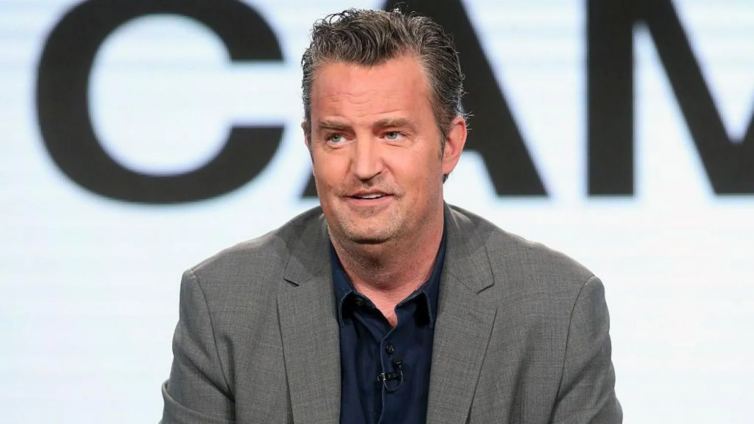
Five people have been charged in the drug-related death of Matthew Perry last year, police say, including two doctors and the actor's personal assistant.
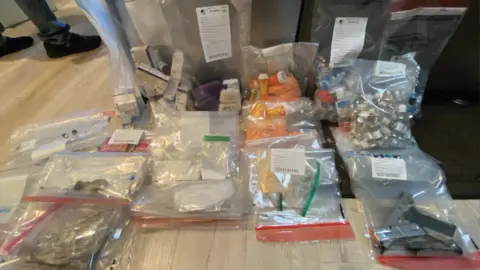
Police said on Thursday that their investigation, launched in May, uncovered a "broad underground criminal network" of drug suppliers who distributed large quantities of ketamine.
Perry, 54, died at his Los Angeles home in October. A post-mortem examination found a high concentration of ketamine in his blood and determined the "acute effects" of the controlled substance had killed him.
"These defendants took advantage of Mr Perry's addiction issues to enrich themselves," US Attorney Martin Estrada said on Thursday. "They knew what they were doing was risking great danger to Mr Perry, but they did it anyway."
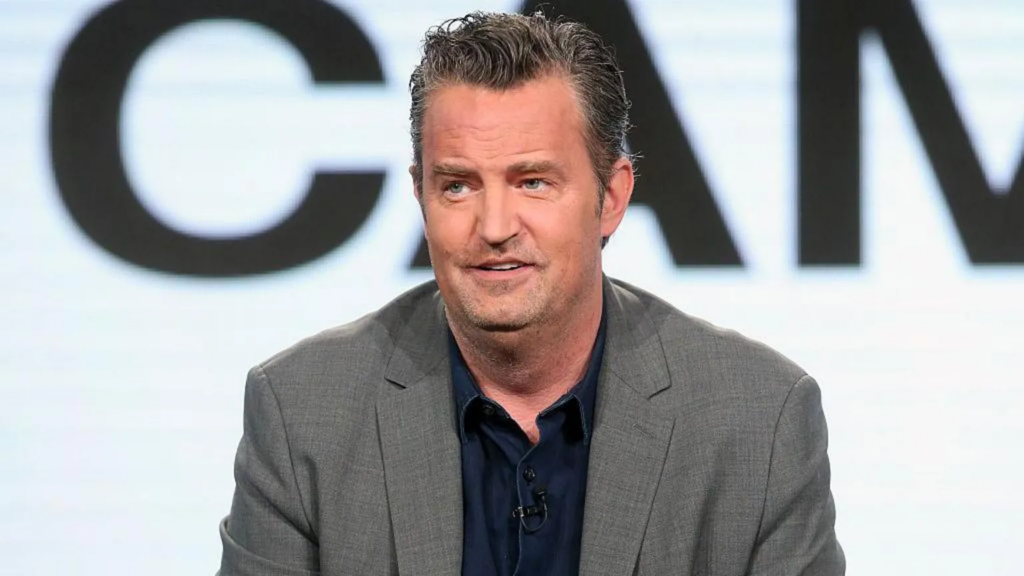
Three of the defendants - including Perry's assistant - have already pleaded guilty to drug charges, while two others - a doctor and a woman known as "The Ketamine Queen" - were arrested on Thursday, according to the justice department.
Ketamine - a powerful anaesthetic - is used as a treatment for depression, anxiety and pain. People close to Perry, who starred as one of the lead characters on the NBC television show Friends, told a coroner's investigation after his death that he was undergoing ketamine infusion therapy.
But his last session had taken place more than a week before his death. The medical examiner said the ketamine in Perry's system could not have been from the infusion therapy because of the drug's short half-life.
The levels of ketamine in his body were as high as the amount given during general anaesthesia, according to the medical examiner.
An indictment filed in federal court detailed the elaborate drug purchasing scheme that prosecutors say ultimately led to Perry's death.
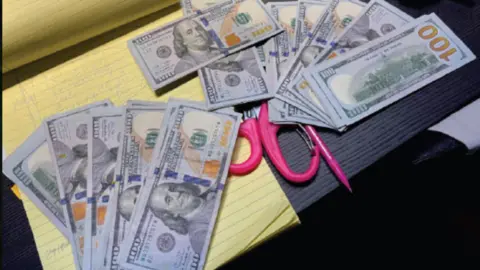
Prosecutors said Perry's assistant, Kenneth Iwamasa, worked with two doctors to provide the actor with over $50,000 (£38,000) of ketamine in the weeks before his death.
Officials argued those involved in the scheme tried to profit from Perry's well-known substance abuse issues. One of the doctors, Salvador Plasencia, is alleged to have written in a text message: "I wonder how much this moron will pay."
Mr Plasencia, 42, provided Perry ketamine "outside the usual course of professional practice and without a legitimate medical purpose", according to the indictment.
He also allegedly taught Iwamasa how to inject Perry with ketamine without proper safety procedures and surveillance, the police indictment says.
In the four days before his death, Iwamasa gave Perry at least 27 shots of ketamine, prosecutors alleged.
He did so even after a large dose of ketamine earlier that month caused Perry to "freeze up", leading Mr Plasencia to advise against a similar-sized dose in the future, prosecutors said. The doctor still left several vials of the drug with the actor and his assistant after the incident, according to the indictment.
Others charged in the case include Jasveen Sangha, the so-called "Ketamine Queen" who supplied the drug to Plasencia through the help of two other co-defendants, Erik Fleming and doctor Mark Chavez.
Chavez, Fleming and Iwamasa have all pleaded guilty.
Ms Sangha and Mr Plasencia both made their initial appearances in Los Angeles court on Thursday afternoon and pleaded not guilty, the US Department of Justice said.
Both suspects had tentative trial dates set for October. Mr Plasencia was given a bond of $100,000 and Ms Sangha was ordered to be held without bond.
Prosecutors say the defendants attempted to cover up their alleged crimes after Perry's death.
Ms Sangha allegedly texted another suspect, telling him to "delete all our messages". Mr Plasencia also falsified medical records, according to the indictment.
Drowning was also listed as a contributing factor in Perry's death, which was ruled an accident. Other contributing factors were coronary artery disease and the effects of buprenorphine, which is used to treat opioid use disorder.
At the height of his fame, Perry was battling with addiction to painkillers and alcohol, and attended rehabilitation on multiple occasions. He detailed his struggle with substance use in his memoir, Friends, Lovers, and the Big Terrible Thing.
In 2016, he told BBC Radio 2 that he could not remember three years of filming during Friends, because of drink and drugs.
After attempts at treatment, he wrote in his memoir that he had been mostly sober since 2001 - "save for about 60 or 70 mishaps".
Latest Stories
-
Ziope undertakes initiative to build a technologically inclined community, commissions self-help ICT lab
11 minutes -
ECG announces power outage in parts of Tema, Central Region due to network fault, maintenance
38 minutes -
When the Gospel Becomes a Weapon: The church, blackmail and the abuse of faith
1 hour -
JoyNews’ Jacqueline Ansomah Yeboah selected for UK Media Excellence for Emerging Technology Fellowship
1 hour -
Mental Health Alliance urges government to operationalise Mental Health Fund
2 hours -
Ghana–Holy See agreement heads to Parliament after Cabinet approval
2 hours -
Luv FM Corporate Games 2026: Kumasi Central Prisons, Amanfiman Bank win big amid fun
2 hours -
WAFU B U17: Ghana top Group A after win over Togo
2 hours -
Ho Central Mosque reopens amid unresolved leadership dispute that led to closure
4 hours -
Minority caucus questions GH¢16.4m in Ablakwa’s SA evacuation spending, demands independent audit
4 hours -
Gender Ministry meets Nana Akua Addo’s husband over domestic violence after hospital discharge
5 hours -
UG Vice-Chancellor urges swift operationalisation of National Research Fund
5 hours -
Pope Leo to have surgery after lump found in lung
5 hours -
Joseph Cudjoe writes: Ghana must break free from the dangerous mindset that natural resources are the foundation for wealth
5 hours -
Children among 109 dead after boat capsizes off Djibouti, UN says
6 hours