

Audio By Carbonatix
The Crops Research Institute of the Council for Scientific and Industrial Research (CSIR-CRI) is starting an empowerment program to equip communities with relevant skills for biodiversity conservation and sustainable practices.
Under the project, over 1,200 households in Ghana and Kenya are expected to adopt agroforestry models and other farming practices to build a resilient community and diversify incomes.
With the impacts of climate change, loss of biodiversity and degrading of land and forest cover in Ghana, it has become crucial to restore the once beautiful and green scenery and life.
The Crops Research Institute under the CSIR is leading the charge to empower local communities to restore degraded ecosystems, preserve biodiversity, and promote sustainable practices.
The three-year project, ‘Engaging Local Communities in Minor Crops Utilization for Biodiversity Conservation and Livelihood Enrichment’ (EMBRACE), is a transformative initiative designed to uplift 25 communities in Ghana and Kenya, touching the lives of 1,250 households.
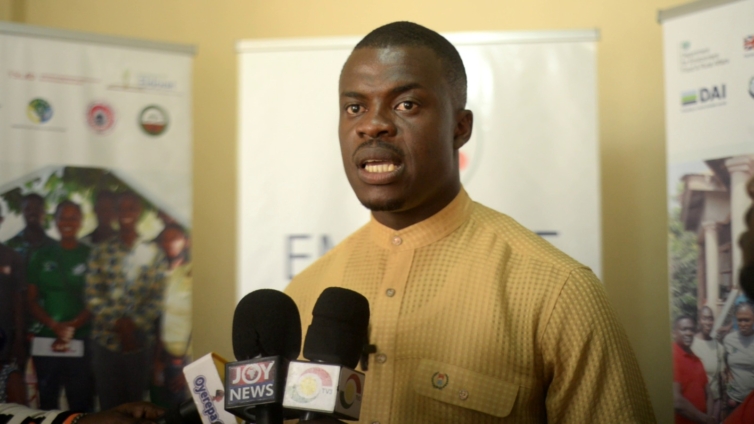
“We realized that if we don’t take the lead in conserving the biodiversity and judicious use of forest resources to ensure sustainable use of forest tree and minor crops resources, then it could impact our future food security. This is to ensure that as we continue to provide food for the country, we don’t deplete our resourcs,” Acting Director of the Crops Research Institute, Dr. Ernest Baafi, said.
The project is committed to supporting vulnerable groups, including women and youth, by providing them with opportunities for economic growth and diversified income sources.
Twenty-five agrosilvicultural farmsteads are expected to be established with integrated snail-mushroom-beekeeping farming for products like snails, slime, honey, propolis, and wax to reduce dependency on forest resources.
The project will work closely with local governments and stakeholders to integrate findings into broader policy initiatives, advocating for inclusive frameworks that support community rights.
“The whole idea of the project is to limit forest entry by protecting the forest resources that we have. We are creating farmsteads, community nurseries that would revitalize the endangered minor trees and crops. This would ensure we conserve our biodiversity,” Dr. Clement Oppong Peprah, the principal investigator for the project, said.
Through workshops, community meetings, and knowledge-sharing platforms, EMBRACE will foster a culture of learning and collaboration to create a scalable model for community-led conservation and sustainable development.
Latest Stories
-
Baffour Awuah: EOCO effected an arrest, detained MP after hours of waiting, questioning – Afenyo-Markin
9 minutes -
EOCO court warrant authorised search of Baffour Awuah’s law firm, not residence – Afenyo-Markin
25 minutes -
NPP delegates conference: 3,000 to 4,000 police personnel deployed for security in Kumasi – Anthony Karbo
27 minutes -
KGL Foundation commits $200,000 to support juvenile football for the next two years
43 minutes -
UNDP invites Mahama Ayariga to Northern Peace Conference in Tamale
48 minutes -
Afoko can give NPP ‘new identity’ ahead of 2028 to overcome NDC – Political scientist, Dr Amakye-Boateng
1 hour -
2 injured amid gunshots during raid at Nawara Mining office at Nsuapemso
1 hour -
St Augustine’s College retains 2026 National Investment Quiz title
1 hour -
KNUST Nursing and Midwifery School staff recognised at 2026 Health Ministry Excellence Awards
1 hour -
JoyNews’ Esther Esi Nkrumah selected for UK Media Excellence for Emerging Technology Fellowship
1 hour -
Five NDC youth organisers in Western Region pay courtesy call on Armah-Kofi Buah
2 hours -
NACOC demands tighter port controls to prevent Tema Harbour drug trafficking
2 hours -
Ghana’s startup ecosystem must build sustainability into innovation – Ghana Hubs Network
2 hours -
Friday’s beachfront demolition was carried out at Labadi Beach Hotel’s request, not for flood mitigation – Stan Dogbe
2 hours -
LA 2028: Mukarama returns to Black Queens squad for Olympic Games qualifiers
2 hours