

Audio By Carbonatix
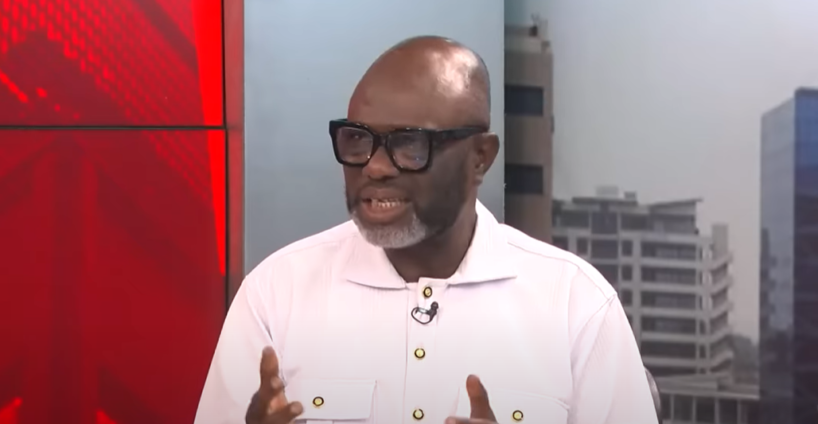
The president of the Ghana Union of Traders’ Associations (GUTA) says the reason prices of goods remain high despite the cedi's recent gains is that the traders don’t trust that the gains will last.
Dr. Joseph Obeng, speaking on JoyNews’ PM Express on Monday, May 12, said traders have been cautious because of what they’ve experienced in the past.
“When the cedi appreciates, they see the gain, and it’s not sustained,” he explained.
“That’s why people are asking me, especially when I made the call to reduce prices, ‘Are you sure this is going to last? Are you not rushing?’”
GUTA made headlines recently when it publicly appealed to the trading community to reflect the cedi’s appreciation in their pricing.
But on the show, the GUTA boss admitted that traders are hesitant because they fear history will repeat itself.
“It’s very important for us to think about how to maintain this gain,” he said. “This gain will come to nothing if we are not able to sustain it.”
He emphasised that what matters now is not just the momentary appreciation of the currency but how government and the Bank of Ghana work to keep the gains steady.
“We have to talk about predictability and sustainability. That’s what we should be focusing on now,” he said.
In response to a question by host Evans Mensah about why market prices haven’t dropped, Dr. Obeng said, “It’s because of what has happened in the past.”
“The traders are simply not ready yet. They are watching to see if this is real.”
He was quick to clarify that this isn’t about unwillingness to cooperate but about protecting businesses from shocks.
“Whatever thing we have to do—if government puts prudent mechanisms in place, if the Bank of Ghana continues the stringent forex controls—then we can talk about maintaining it.”
Dr. Obeng linked sustained currency stability to a bigger economic recovery plan.
He said that when the exchange rate remains stable, it helps to bring inflation down and lower interest rates.
“This is what is going to push the other indicators that make businesses thrive,” he noted.
For him, the current moment should be seen as a window of opportunity.
“How are we taking advantage of the gains that we’ve made and sustaining them? That’s very important,” he stressed.
“This is how I’m looking at it—how we take advantage to enhance productivity.”
He believes that if stability is used to boost competitiveness in local industries, then Ghana could be on the path to true economic recovery.
“If you can use the stability of the currency to enhance productivity, that will make us competitive,” he said. “Then, of course, we are on the threshold to recovery.”
Latest Stories
-
Barcelona close to deal for Arsenal’s Jesus
2 hours -
Three-week international break a concern – Mourinho
2 hours -
Bellingham scores as Mourinho’s Real win again
2 hours -
Tech trouble leaves Chelsea game ref without comms
2 hours -
Wife of man who died after turbulence sues airline
2 hours -
Russia says it helped to repel Niger attempted coup
2 hours -
Michail Antonio helps young Ghanaians chase Premier League dreams
4 hours -
Zambian opposition leader charged with treason
4 hours -
Iceland votes against restarting EU membership talks
4 hours -
WhatsApp chat used to launder cash for crime and extremism
4 hours -
US judge blocks Pentagon’s Anthropic blacklisting
5 hours -
Tinubu files case in US court to block release of alleged drug trafficking record – Lawyer
5 hours -
‘Powder Guy’ denies $32,000 visa fraud charges
5 hours -
Two suspects arrested over lynching at Daboya
5 hours -
Mobile phones contributing to Christians’ spiritual decline – Bishop Patu
5 hours