


Audio By Carbonatix
Vitamin supplements can be an efficient way to add vitamins lacking in our diet. But they're not a silver bullet.
The market for vitamin and mineral supplements is estimated to be worth $32.7bn (£24.2bn), and over 74% of Americans and two-thirds of Britons admit to using them in an effort to improve their health.
However, the pills are mired in controversy, with some studies suggesting they have no discernible health benefits, and others finding they could even harm you. So what does the evidence really say? Should we all be taking vitamin supplements, or just some of us? Does anyone even need to take them?
Why do people take vitamins and minerals?
Vitamins and minerals are compounds that our bodies do not make, but which are nevertheless essential for our health. As we cannot make them, we must get them from our food. Examples include vitamin A; which is vital for good eyesight and maintaining healthy skin; vitamin C, which is essential for a healthy immune system, and vitamin K; which is necessary for blood clotting. Essential minerals, meanwhile, include calcium, magnesium, selenium, potassium, and others. Vitamins and minerals are classed as micronutrients because we only need them in small amounts compared to macronutrients such as carbohydrates, proteins, and fats.
It's fair to say that no supplement will ever replace a healthy and balanced diet. The best way, therefore, of meeting the body's requirement for vitamins is through eating plenty of leafy green vegetables, fruits, grains, nuts, dairy, and fish. However, research also shows that many of us are not managing to adhere to this practice. The rise of fast food, along with ultra-processed products, means convenience often triumphs over a fresh home-cooked meal.
"The average American is eating half of the fruits and vegetables that are recommended," says Bess Dawson-Hughes, a senior scientist at the US Department of Agriculture's Human Nutrition Research Center on Aging, and professor of medicine at Tufts University. "So if you're leaning in that direction, then you are probably missing out on some essential nutrients."
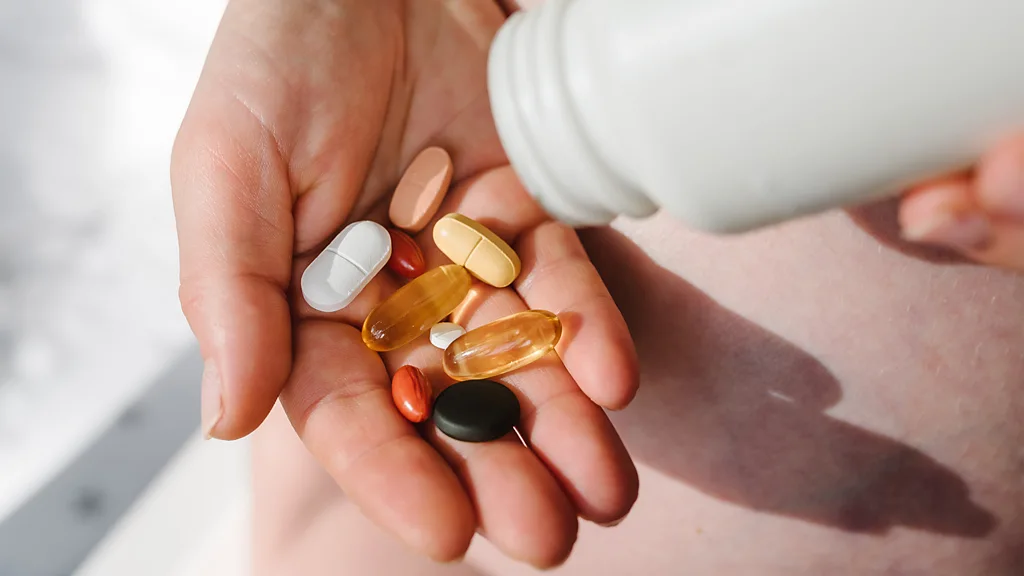
Could multivitamins help fill this nutritional gap? The answer, as you might expect, is complicated. The theory that dosing up on vitamin C could help stave off the common cold spread across the Western world in the 1970s, thanks to people like Linus Pauling, a Nobel prize-winning chemist who claimed that taking up to 50 times the recommended dose of vitamin C could treat anything from influenza, to cardiovascular diseases, cataracts, and even cancer. Although the notion that overdosing on vitamin C could cure the cold has been thoroughly debunked, many still cling to this belief.
Fast forward to today, and influencers are pushing supplements that contain up to 500% or even 1,000% the recommended daily allowance of micronutrients, despite the fact that vitamin supplements in general lack regulation, contain unlisted ingredients, and are not backed up by randomised controlled trials – the gold standard of medical research.
"Mega-dosing" on vitamins and minerals can be dangerous. For instance, there have been instances of people being taken to the hospital after taking dangerously high levels of vitamin D. Consuming too much vitamin D can cause mild symptoms, such as thirst and needing to urinate more frequently, but in severe cases it can cause seizures, coma, and death.
Meanwhile, according to the National Institutes of Health (NIH) in the US, excess vitamin A can cause "severe headache, blurred vision, nausea, dizziness, muscle aches, and problems with coordination. In severe cases, getting too much preformed vitamin A can even lead to coma and death."
The clinical trials that have been done on vitamins and minerals sometimes have contradictory results, and suggest that whether you will benefit from taking vitamin supplements depends on who you are, as well as the exact micronutrient the supplement contains.
Latest Stories
-
Drug money allegedly finances Ghana’s political parties and real estate – Global Organised Crime Index
5 minutes -
NSA outlines seven steps for successful posting and validation of national service personnel
6 minutes -
GPRTU taskforce clamps down on unapproved fares at Kasoa
7 minutes -
Prime Insight: Making room for meaningful national conversations on Joy Prime
18 minutes -
FABAG commends Ato Forson’s over removal of 20% excise duty on locally manufactured fruit juices
25 minutes -
HIV stigma discourages testing, prevention and treatment in Ghana – Ghana AIDS Commission
27 minutes -
Blocking cocaine probe lends weight to claims of political protection for traffickers – Assin South MP
31 minutes -
NPP Vice Chair race: I may be the youngest, but most experienced – Nana B
33 minutes -
Last UK and US troops leave Iraq as anti-Islamic State mission ends
33 minutes -
Don’t stay home idle, embrace entrepreneurship while awaiting posting – Unemployed nurses urged
45 minutes -
Aayalolo buses not speeding on contra-flow lanes – GAPTE assures commuters
48 minutes -
Effia MP calls for Kurt Okraku’s removal, overhaul of Ghana football structure
49 minutes -
CAS hearing on AFCON final appeal by Senegalese Football Federation set for October 8
49 minutes -
STC fares to go up by up to 8% this week – Deputy MD
50 minutes -
Photos: Accra-Kumasi bypasses get new lease of life as contractors return to site
50 minutes