

Audio By Carbonatix
In an era dominated by mobile money, savings apps and digital banks, one might think traditional saving methods are fading away. Yet, the susu box, a simple wooden container with a narrow opening, continues to hold its ground in Ghana’s financial culture.
For some Ghanaians, saving money isn’t about apps, PIN codes, or transaction histories. It’s about trust, discipline, and the comfort of hearing coins drop into a box tucked away at home.

According to research by the African Alternative Economics (AAE) Network, about 15 percent of Ghana’s adult population still rely on informal saving systems like susu boxes and susu collectors. Despite rapid digital transformation, millions remain committed to this century old practice.
Why the Susu Box still matters
A susu box is usually crafted from wood, sealed tightly with glue, and fitted with a small slot to drop in money. Some come with locks for added security. While rudimentary in design, the box has become a symbol of trust for countless households.

The reasons are varied. For some, limited financial literacy makes digital tools intimidating. Others remain skeptical about the banking sector, fearing hidden charges or inaccessibility. And then there are those who blend both systems, using formal banking for larger transactions and susu boxes for smaller, everyday savings.
Voices from the Ground
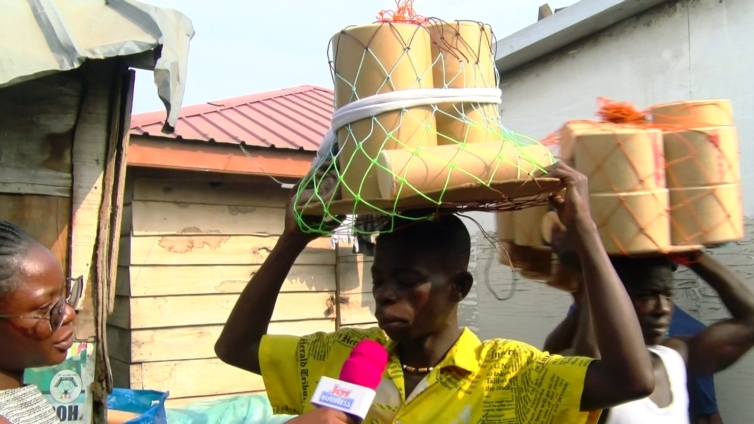
At the Mallam Atta market, a susu box maker explained that demand for the product hasn’t slowed down.
“At least in a day, I can supply susu boxes to about 20 people who take them round for sales.”
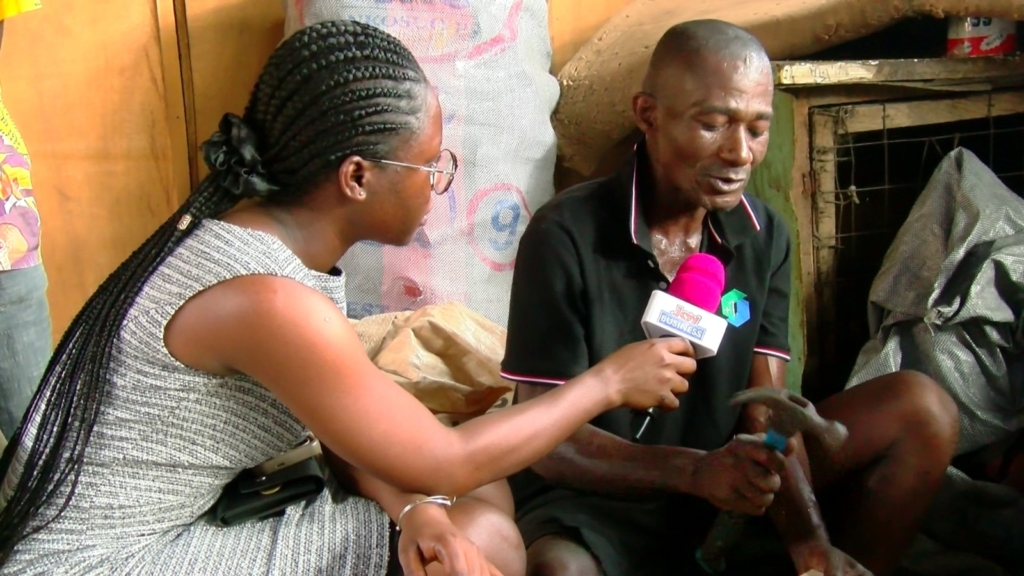
A cloth vendor also echoed the sentiment, saying the box helps her manage small profits daily without feeling pressured to deposit at a bank.

Meanwhile, a susu box vendor admitted, “You can quickly use it for urgent needs, unlike the bank where withdrawals take longer, due to processes.”
A printing press manager, Nana Mills shared why he encourages his staff and children to save through susu.
“It teaches discipline little by little. Even if it’s just ten cedis or a coin. I can’t deposit a coin at the bank. After some time of saving, I can even get a thousand cedis.”
More than Just Money
Beyond practicality, susu boxes embody something intangible, a sense of ownership and control. For many, it’s a low-risk method to keep money away from daily temptations. Unlike mobile wallets, where money may seem easily accessible to withdraw, the susu box demands physical effort before money is spent.
Tradition Meets Technology
The survival of susu alongside digital banking reflects Ghana’s diverse financial landscape. The two systems don’t necessarily compete, they complement each other. While banks and fintech platforms offer security, accessibility, and efficiency, the susu box represents personal discipline, privacy, and trust.

The Road Ahead
The majority of ideology fueling the adoption of susu savings underscores the urgent need for stronger financial education. Teaching people how to maximize formal financial tools while respecting their cultural saving practices could create a balanced ecosystem.
In the end, the susu culture is more than just putting coins into a box, it’s a reflection of Ghana’s enduring values of discipline, community, and resilience in the face of change.
Latest Stories
-
The coup doesn’t need soldiers anymore: Social media and the new assault on African democracy
3 minutes -
Works and Housing Minister pushes to cut Kaneshie road closure from one year to 6–9 months
6 minutes -
Joy FM Back-to-School Fair: Patrons to enjoy up to massive discounts from vendors
24 minutes -
Mahama gives TMA, TDC 14 days to resolve development control dispute
26 minutes -
‘We cannot arrest the entire school, but we know the ringleaders’ –– Police warns Okuapem, Mount Sinai students
33 minutes -
UN warns of ‘supersized’ El Niño as countries prepare for impact
34 minutes -
Channel smuggling gangs resort to ‘mega-dinghies’ as crackdown limits small boat supply
34 minutes -
Embattled Spanish PM Sánchez insists no prior warnings before Ceuta crisis
35 minutes -
Palestinian teens killed during settler attack on West Bank village, officials say
35 minutes -
Foreign Affairs Ministry responds to Fourth Estate attestation investigation, bars middleman from premises
36 minutes -
Zanetor Agyeman-Rawlings calls for balance between development and environment protection
38 minutes -
About 17% of 2026 BECE candidates had aggregates 6–18 – CSSPS
41 minutes -
CSSPS explains how raw scores can override aggregate in SHS placement
50 minutes -
Only 35% of 2026 BECE candidates scored aggregates 6–24 – CSSPS
55 minutes -
Only 17% of 2026 BECE candidates score aggregates 6–18 – CSSPS
56 minutes