

Audio By Carbonatix
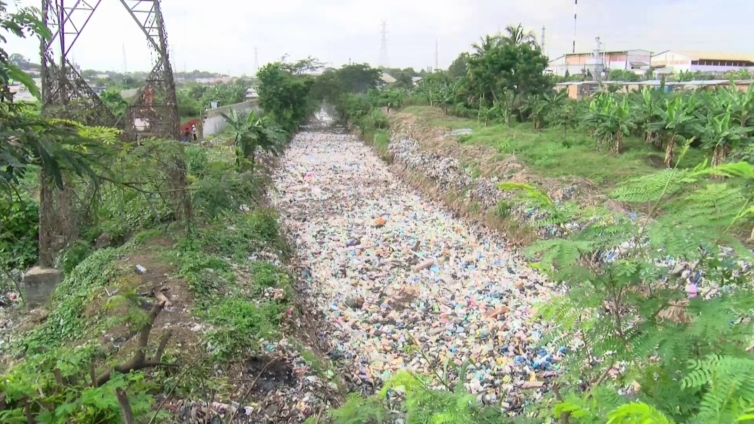
The Subin River, once a vital water source flowing through Kumasi, now gasps beneath mountains of filth and plastic waste.
What should be a life-giving stream has become a stagnant, choking drain of decay, a festering reminder of a city drowning in its own waste.
The sanitation crisis is threatening both the city’s pride as the Garden City and its people’s health.
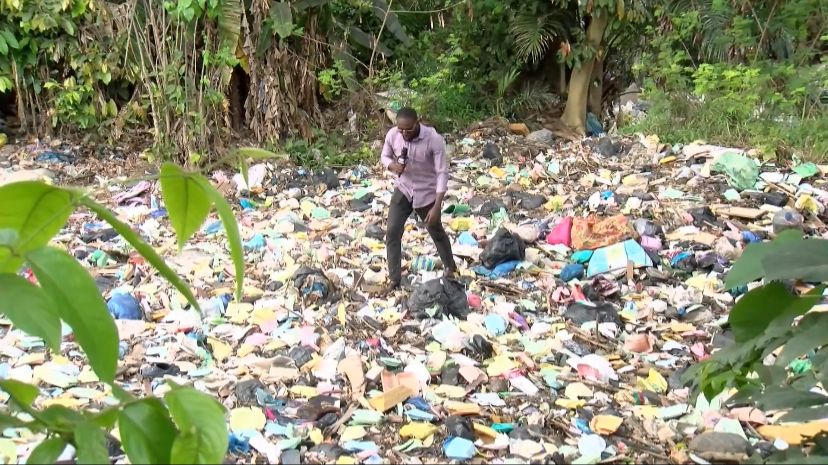
Traversing the Asokwa overpass to the Ahodwo roundabout in Kumasi, a sight never missed is the pile of garbage resting in and along the Subin River.
In this massive heap of refuse is a mixture of plastics, organic waste, electronic gadgets and other solid wastes.
The Subin River, a major water resource running through the Asokwa municipality from the Kejetia market square.
Residents have termed the river now as “the river of rubbish”.
One would have expected a clear water flowing through the drain, but the culvert under the bridge on the river have been choked by the piles of plastic waste.

The stench at the scene is unbearable.
The rubbish stagnated in the weeds and the choked drains now serve as breeding grounds for various infectious diseases.
For residents and traders near to this unpleasant scene, they must live with the perennial sanitation crisis.
“The rubbish is from the Abinkyi market. Sometime ago, the owner of a construction factory here cleared the river but today they are still back,” one of the residents noted.
Plastic pollution remains a major challenge, degrading the beauty of a city touting itself as the Garden City of West Africa.
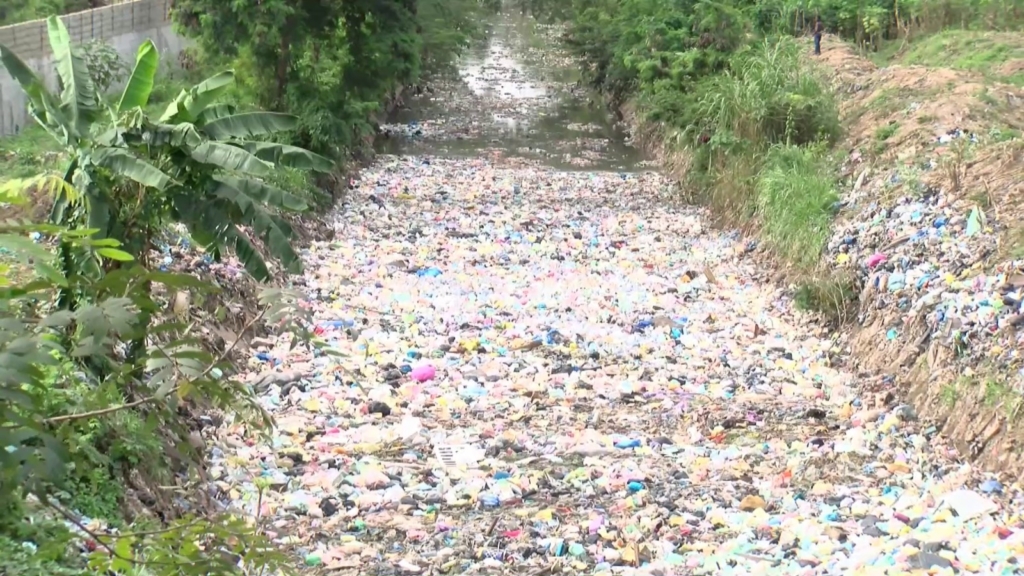
The pollution driven by increased urbanization and consumption, with vast amounts of plastic waste overwhelming waste management systems.
The Kumasi metropolis produces at least 1,500 tonnes of solid waste daily, with plastic waste accounting for about 54 tonnes (3.52%) of this total.
“This is an industrial area, and you’d surely find a recycling plant here. They can use these as their raw materials for recycling them for other products,” Joshua, a regular user of the road, said.
Local government authorities are worried the indiscriminate waste disposal habits in the city cut budgetary spending intended for other critical infrastructure.
“It will take at least 20 trips to clear the entire plastic waste on the river. We must re-channel funds meant for critical infrastructural development to desilt the waterways. This is heavily affecting our budgets,” Kumasi mayor, Richard Ofori Agyeman Boadi noted.
Not only is the unpleasant situation a sanitation crisis but a ticking time bombing for a major disaster after the rains.
Latest Stories
-
Shell to sell its Nigeria gas business to Vaaris Energy
48 minutes -
Judge extends White House access for CNN, MS NOW, Politico amid legal fight
56 minutes -
EU expands migration cooperation with eastern Libya through new funding
1 hour -
Actress Selma Blair faces charges for kicking nurse and officer after plane incident
1 hour -
Private political loyalties deserve scrutiny too in EC appointments – Osae-Kwapong
1 hour -
EC safeguards must check partisan bias among commissioners – Osae-Kwapong
2 hours -
Oil prices climb as traders weigh Saudi supply risk, Russian diesel flow
2 hours -
Zimbabwean author denies using AI to write award-winning story
2 hours -
Bank of America hit with $1.2bn fine for money laundering failings
2 hours -
Robot seized by German police after allegedly groping teenage girl
2 hours -
Subject EC appointment to ‘Akufo-Addo test’ – Kwapong
3 hours -
English football’s independent regulator would quit over Man City interference
3 hours -
Anthropic seeks rehearing of case over Pentagon’s security risk branding
3 hours -
Torrential rains in Libya’s Tripoli kill two
3 hours -
Guinea-Bissau says it has not approved hepatitis B vaccine trial in newborns
3 hours