

Audio By Carbonatix
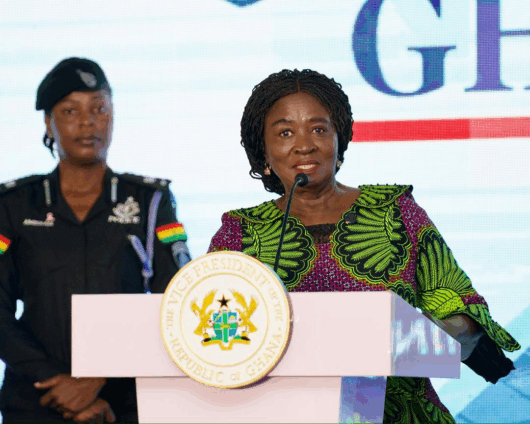
Vice President Prof Naana Jane Opoku-Agyemang has identified upholding agriculture and aquaculture as central pillars in attaining SDG 2 (Zero Hunger) and SDG 14 (Life Below Water).
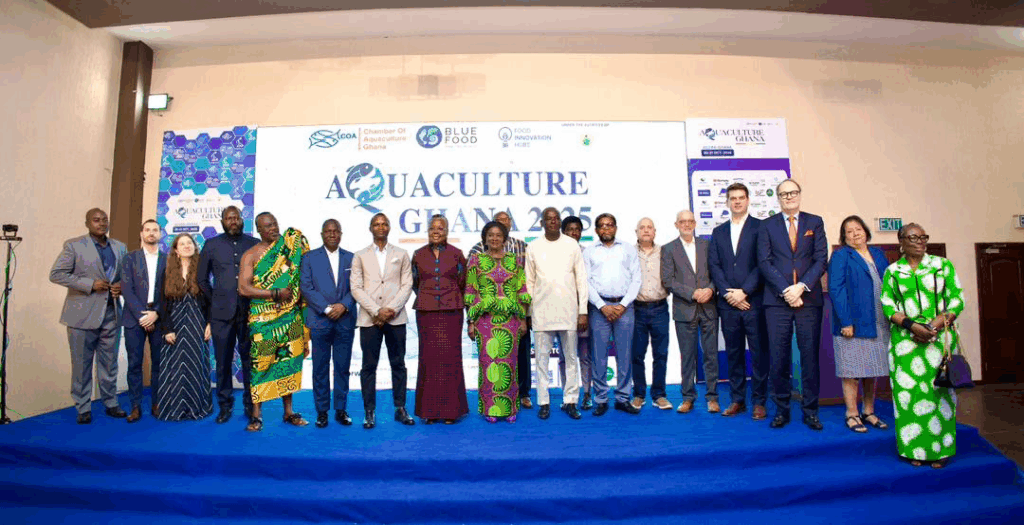
Explaining at the Aquaculture Ghana 2025 Conference, the Vice President noted how the sector’s impressive growth has risen from 45,000 metric tonnes to 108,000 metric tonnes in recent years.

Relying on that foundation, Professor Opoku-Agyemang called for a buildup on reducing post-harvest waste as part of efforts to strengthen the entire value chain.

Also guided by the Fisheries and Aquaculture Development Act, 2005, the Vice President also highlighted government’s commitment to promoting innovation, inclusion, and environmental sustainability within the sector.
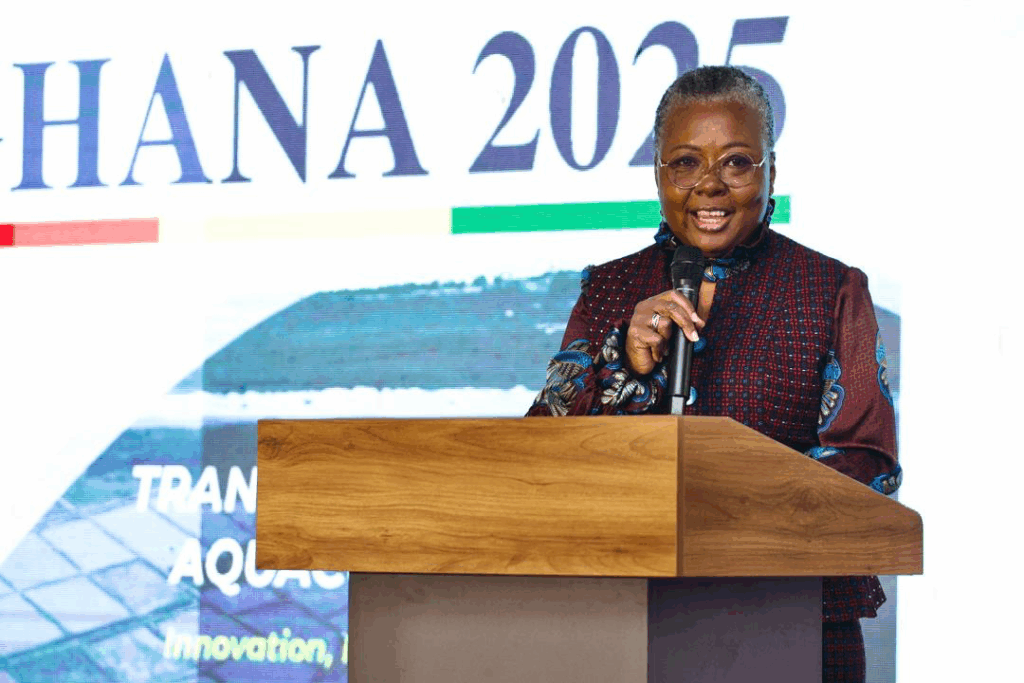
The Vice President also announced that the government will soon launch an Aquaculture Development Fund, which will improve access to finance, enhance infrastructure, and accelerate research and technology transfer across the country.
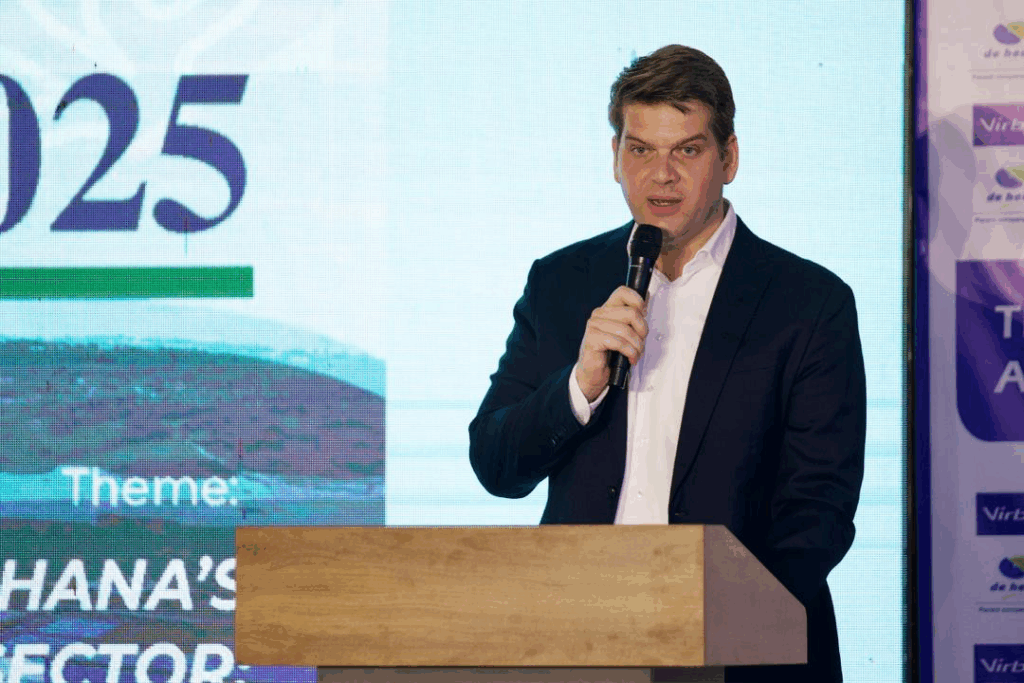
Emphasising that the aquaculture industry already supports millions of livelihoods - from hatcheries and feed mills to processors, traders, and exporters - Prof Nana Jane Opoku Agyemang stated that the government intends to make aquaculture a major source of employment for youth and women entrepreneurs.
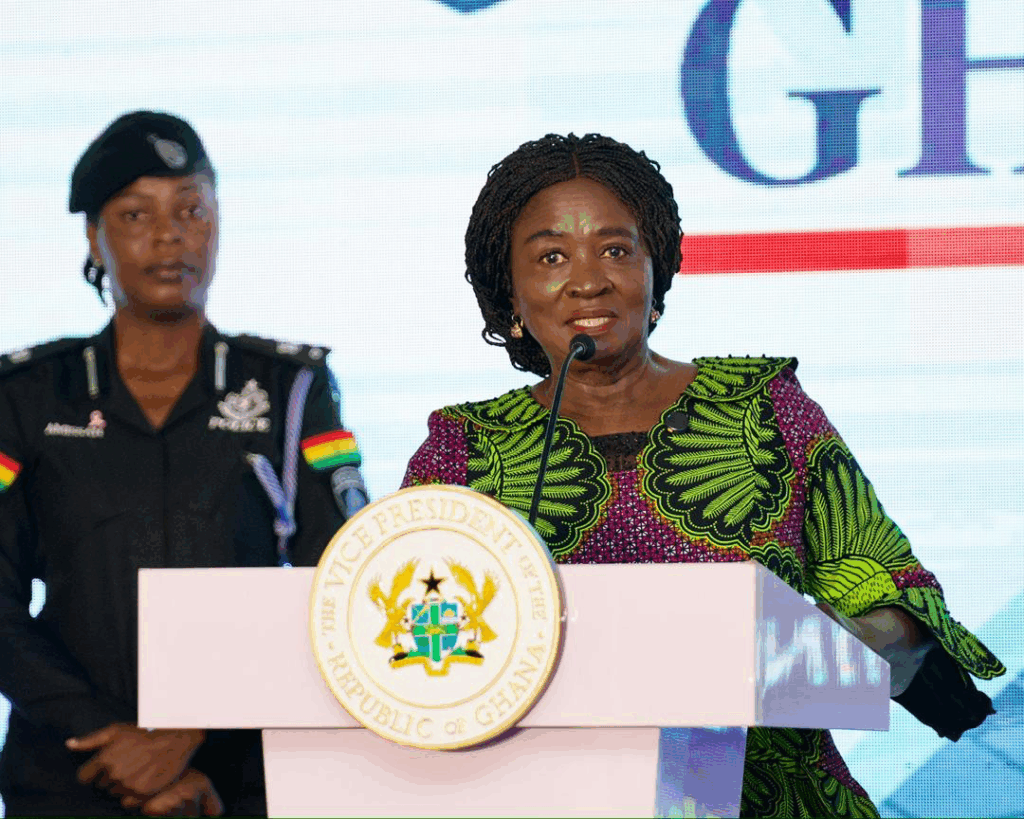
She said, "The aquaculture sector sustains millions of livelihoods, from hatcheries and feed mills to processors, traders, and exporters.
"Government aims to make it a major source of job creation and food security, empowering youth and women entrepreneurs."
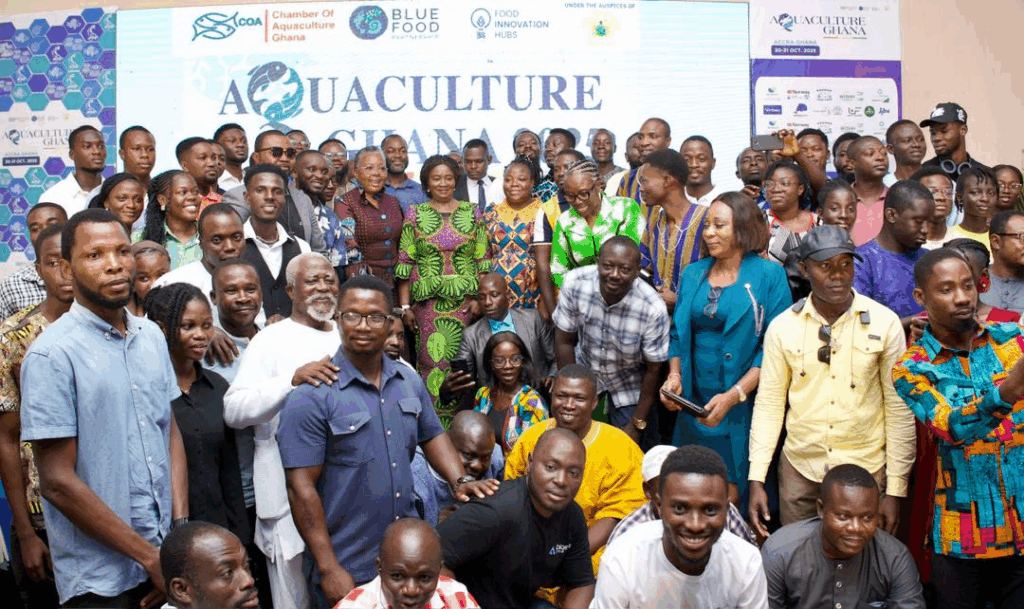
The aquaculture sector sustains millions of livelihoods, from hatcheries and feed mills to processors, traders, and exporters.
Government aims to make it a major source of job creation and food security, empowering youth and women entrepreneurs.
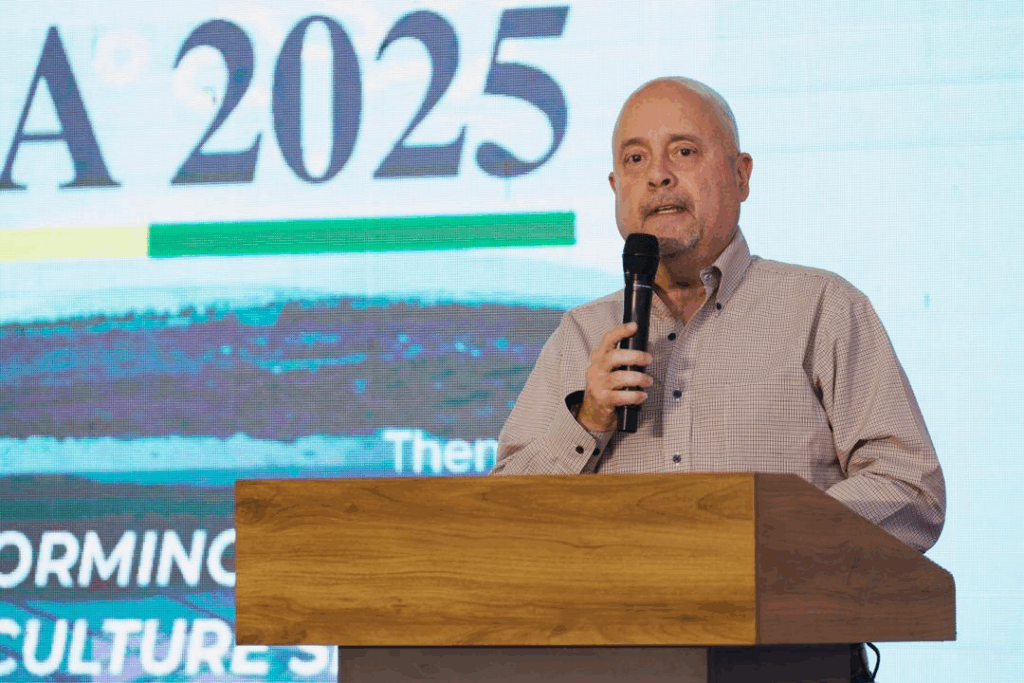
"There is money in the water. Let us work together with accountability, stewardship, and shared responsibility to make aquaculture the backbone of Ghana’s sustainable development," the Vice President reiterated.
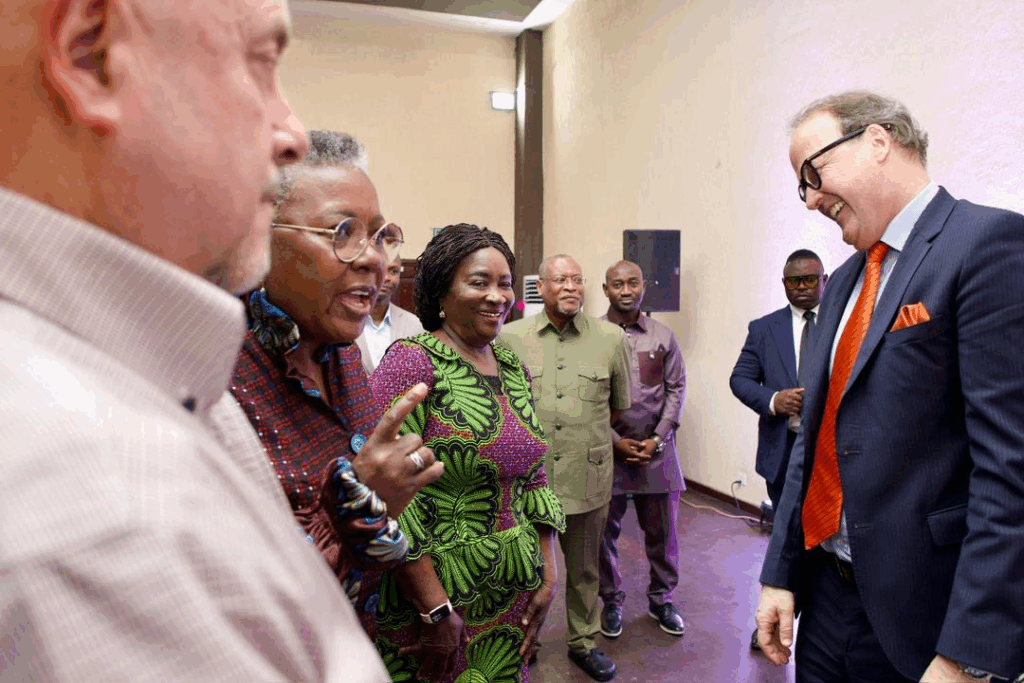
To further boost growth, Prof. Opoku-Agyemang also revealed plans to establish a One-Stop Aquaculture Licensing Regime and a National Aquaculture Commission, envisioned as a Centre of Excellence for training, research, and large-scale fish production.
She also touched on the industry's challenges, including high feed and energy costs, limited access to renewable energy, inadequate processing infrastructure, and disease outbreaks.
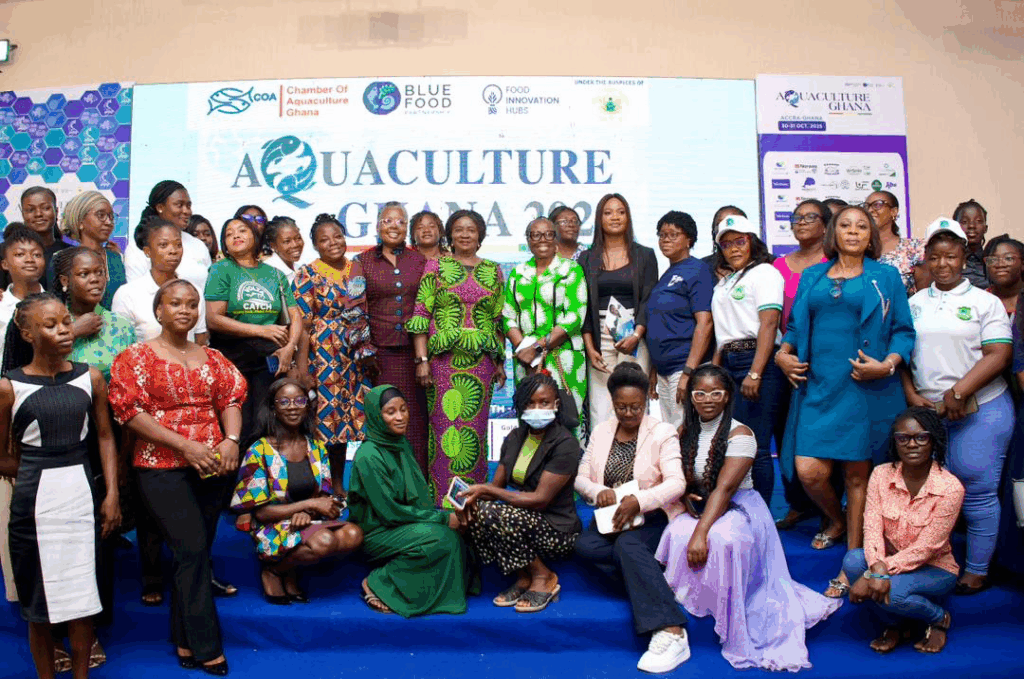
Here, she underscored comprehensive reforms underway to tackle these bottlenecks.
“Aquaculture development,” she said, “will drive green jobs, industrial growth, and rural transformation — becoming a catalyst for climate resilience and economic renewal.”
Latest Stories
-
Old students of Peki SHS break ground to give 70-year-old school infrastructure a facelift
9 minutes -
Ablakwa facing ‘personal vendetta’ over refusal to grant Nana B service passport – Majority
9 minutes -
Every year, the lawyers come out, and so does the nonsense! – Ace Ankomah writes
22 minutes -
Digital transformation without an ownership culture can digitise poor service
25 minutes -
Fishing communities demand revocation of offshore gold exploration licences over livelihood concerns
28 minutes -
How Ghanaian tycoon Manoj Lakhiani built a water and plastics empire from a $25,000 loan
29 minutes -
GoldBod recovers GH¢38.7m of GH¢55.8m outstanding receivables; remainder subject to legal action – Sammy Gyamfi
36 minutes -
GEXIM Bank donates GH¢200,000 worth of medical equipment to Korle-Bu Child Health Department
39 minutes -
Majority rejects Minority’s claims over GH¢49.7m South Africa evacuation
41 minutes -
GEXIM urges banks to support refurbishment of Korle-Bu Teaching Hospital’s Child Health Department
44 minutes -
Don’t appoint your cheerleader as referee
48 minutes -
Ghana needs stronger international cooperation to fight cybercrime – CSA
51 minutes -
CSA warns of growing cyber threats as Ghana’s digital dependence increases
57 minutes -
USTED dean warns GAUA strike could disrupt Ghana’s restored academic calendar
1 hour -
Bechem meat processing factory 50% complete, set for March 2027 completion – Kwakye Ofosu
1 hour