


Audio By Carbonatix
At the German Press Council in Berlin, media regulators insist that credibility not clicks is the future of journalism. But in Ghana’s fast-growing digital ecosystem, engagement metrics are becoming the new survival code.
In an era where the internet rewards speed, shock, and viral moments, the pressure on newsrooms to prioritise clicks over credibility is stronger than ever. But in Berlin, Germany’s Press Council is issuing a sharp reminder: journalism must remain journalism even in the chase for digital relevance.
During a briefing with visiting journalists, CSOs and Lawyers, the Council highlighted a surge in complaints linked to sensational headlines, misleading visuals, and what the industry now calls clickbait. The regulator, established in 1956 as a self-governing watchdog for the German media, says these practices are undermining trust, the very foundation of a free press.
One of Council representative , Xenia Balzereit , made the point bluntly: “Media must stick to principles and quality if they want to be taken seriously. Those standards don’t disappear because the internet is fast.”
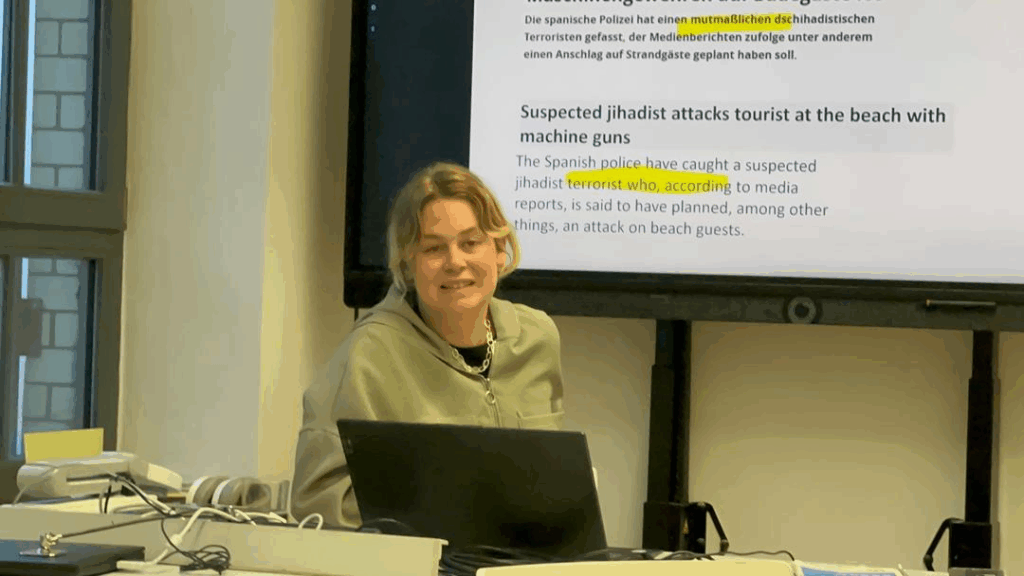
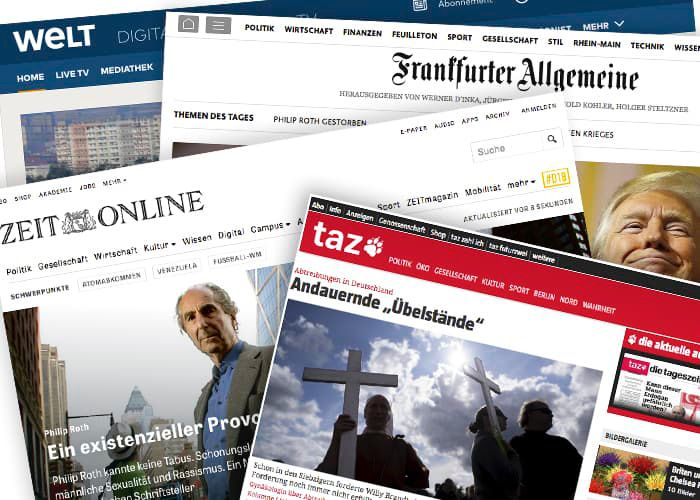
Germany’s system of press self-regulation is built on strict ethical codes including truthfulness, duty of care, protection of victims, and clear separation between advertising and editorial content. Outlets that cross the line face public reprimands that carry heavy reputational weight.
But while Germany has decades of regulatory culture to fall back on, Ghana faces a far more complex reality.
With the rapid growth of online portals, shrinking advertising revenue, and increasing competition for visibility, headlines often need to “sell” before audiences even click.

The result is a media battlefield where accuracy, depth, and public interest are frequently overshadowed by engagement metrics.
The German example, however, offers a cautionary tale.
Clickbait may drive traffic, but it erodes the trust that journalism depends on.
In a global environment where misinformation spreads at lightning speed, the cost of sacrificing accuracy can be far greater than a drop in views.
As Ghana’s media landscape continues to evolve, the conversation in Berlin rings loudly: the future of journalism will not be won by the fastest headline but by the most credible newsroom.
Latest Stories
-
Why Muzic Mensah walked away from gospel and embraced highlife
52 minutes -
Ayariga rallies public, private sector support for Jamestown waste evacuation
1 hour -
NSMQ 2026: Three schools, one trophy – PRESEC, AUGUSCO and Accra Academy set for grand finale
2 hours -
Government directs TDC to comply with TMA development control authority
2 hours -
Recognition of reparatory justice creates responsibility for Ghana – Vice President
3 hours -
KNUST SHS defeats Osei Adutwum SHS to win Luv FM High School Debate
3 hours -
Afenyo-Markin, A-Plus unite to restore peace after New Winneba clashes
3 hours -
A-Plus, Afenyo-Markin to visit families affected by New Winneba violence
3 hours -
A-Plus urges calm as authorities move to end New Winneba tensions
3 hours -
Customs explains red, green channels at Accra International Airport
3 hours -
Agyeman‑Rawlings calls for stronger child protection in armed conflict
3 hours -
History made! Accra Academy book first-ever NSMQ final spot after dominant semi-final display
4 hours -
Woman’s decomposed body found in gutter near Haatso DVLA office
4 hours -
Residents of Akaa, surrounding communities demand improved network coverage
4 hours -
‘Chief Justice’s role is to administer justice, not protect any agenda’ – Haruna replies Franklin Cudjoe
4 hours