

Audio By Carbonatix
The Local Government Service Association of Physical Planners (LoGSAPP) has expressed strong opposition to proposals to merge Development Planning Units and Physical Planning Departments at the local government level, warning that the move could worsen Ghana’s urban development challenges.
According to the association, the proposal is based on the flawed assumption that development planning and physical planning are interchangeable. LoGSAPP insists the two are distinct professional disciplines with different mandates, skills, and outcomes, and treating them as one would undermine effective planning.
In a statement, the association explained that physical planning is a specialized, spatially driven profession focused on land-use planning, urban design, development control, and environmental management, while development planning is largely socio-economic, dealing with policy formulation, budgeting, and programme coordination.
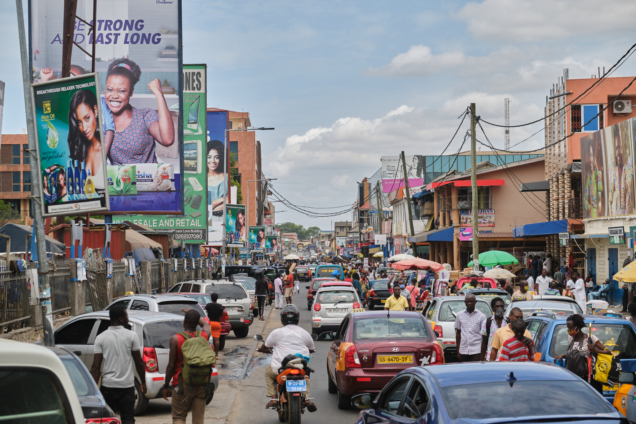
LoGSAPP argued that Ghana’s major urban problems—such as flooding, congestion, informal settlements, environmental degradation, and unsafe developments—are primarily spatial in nature and stem from weak spatial planning and poor development control rather than a lack of socio-economic policies.
The association also pointed to the longstanding neglect of Physical Planning Departments, which remain under-resourced, understaffed, and poorly equipped, with some districts having no physical planners at all. It warned that merging the departments would further marginalize spatial planning and weaken enforcement.
Citing staffing imbalances, LoGSAPP noted that there are about 400 spatial planners in Metropolitan, Municipal and District Assemblies (MMDAs) compared to over 1,000 socio-economic planners nationwide, making it likely that socio-economic planning would dominate in any merged department.
LoGSAPP is therefore calling for reforms that strengthen spatial planning rather than merge the two units, emphasizing investment in qualified physical planners, institutional authority, and enforcement capacity.
The association maintained that sustainable urban development in Ghana depends on protecting professional boundaries and strengthening spatial expertise—not merging fundamentally different planning disciplines.
Latest Stories
-
A new chapter for Ghana’s financial system: Commending BoG on non-interest banking milestone
37 minutes -
NSMQ 2026: Kumasi Sec. Tech. deny St. Mary’s one-eighth spot after late comeback bid
43 minutes -
NPP sets August 31 to September 3 for vetting of national officer aspirants
2 hours -
Can Chairman Wontumi contest NPP National Chairman?
2 hours -
NPP 2026 National Officers Elections: Nomination window ends with 50 aspirants in race for nine positions
2 hours -
Labadi Beach Hotel marks 35 years with plans for new investments and developments
2 hours -
Was Afenyo-Markin’s GoldBod criticism justified or exaggerated?
2 hours -
Energy Commission, Ghana Hotels Association train Bono East hoteliers on energy efficiency
2 hours -
NSMQ 2026: Boa Amponsem roars into one-eighth as Berekum SHS, Bolgatanga Girls’ bow out from prelims
2 hours -
NSMQ 2026: Asanteman SHS books one-eighth spot as Senya SHS’s 2nd bid ends in heartbreak
2 hours -
GHS unveils new framework to improve Ghana’s preparedness for health emergencies
2 hours -
Suspected robber crashes stolen taxi into traders while fleeing mob at Ejisu
3 hours -
NSMQ 2026: Kumasi Academy secures one-eighth spot after commanding win over Bueman SHS, Hohoe EP SHS
3 hours -
Republic Bank-JoyNews Habitat Fair: Day 2 ends on high note as patrons enjoy exciting discounts
4 hours -
Big Push: Upper West MPs inspect N12 works, optimistic improved roads will curb robberies
4 hours