

Audio By Carbonatix
Ghana has introduced a National Compendium of Child Labour Indicators to standardise the measurement, reporting, and monitoring of child labour across sectors.
The initiative is intended to strengthen evidence‑based policy and interventions nationwide and complements ongoing efforts to operationalise the Ghana Child Labour Monitoring System (GCLMS), which is designed to support the identification, referral, and tracking of child labour cases across the country
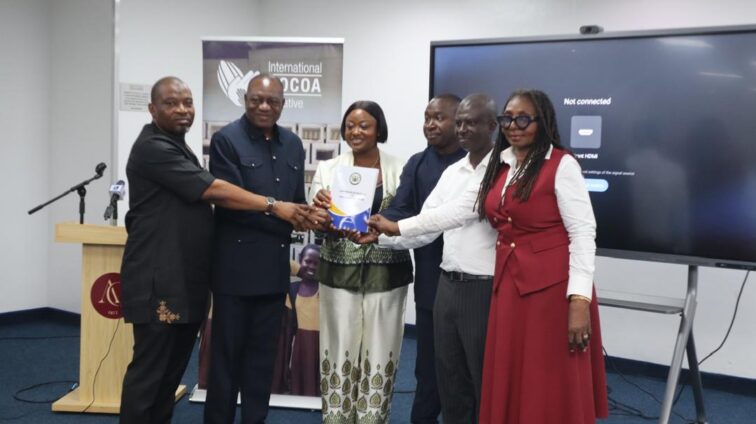
Launching the compendium, the Minister of Labour, Jobs and Employment, Dr Abdul‑Rashid Pelpuo, described the document as a critical policy and operational tool for tackling child labour.
“This document establishes a common reference point for all stakeholders and will guide policymakers in evidence‑based decision‑making, while supporting effective monitoring and evaluation,” he said.
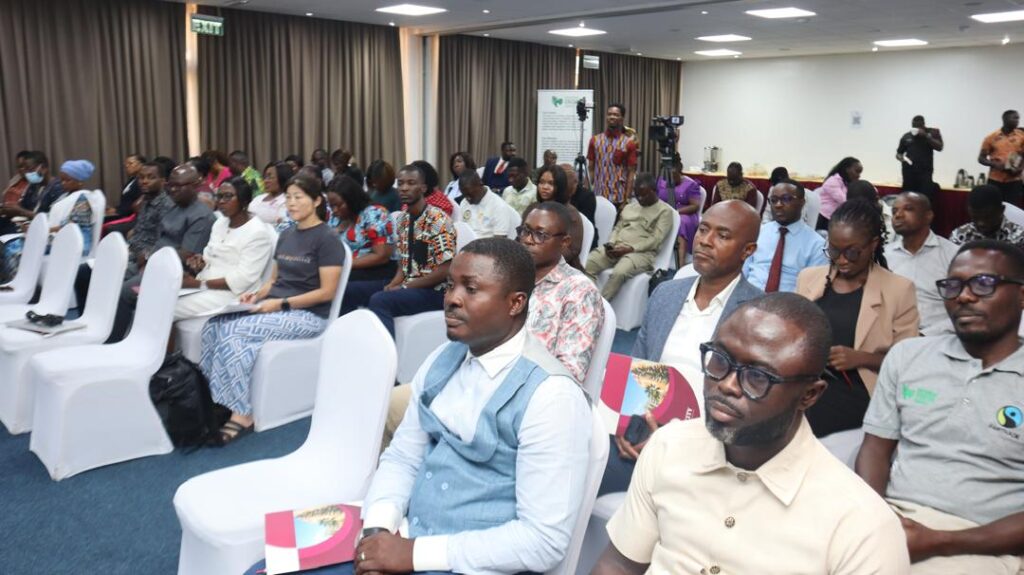
The compendium, developed with the International Cocoa Initiative (ICI) and partners, provides a harmonised framework of indicators, including statistical definitions, key variables, and measurement criteria, to ensure consistency in data collection and reporting.
It is expected to serve as a central reference for government institutions, civil society organisations, and development partners, while improving coordination and comparability of data at national and international levels.
Dr Pelpuo noted that the compendium aligned with Ghana’s commitments under the Sustainable Development Goals, particularly the target to eliminate child labour.
He urged ministries, departments, agencies, and partners to integrate the indicators into their reporting systems.
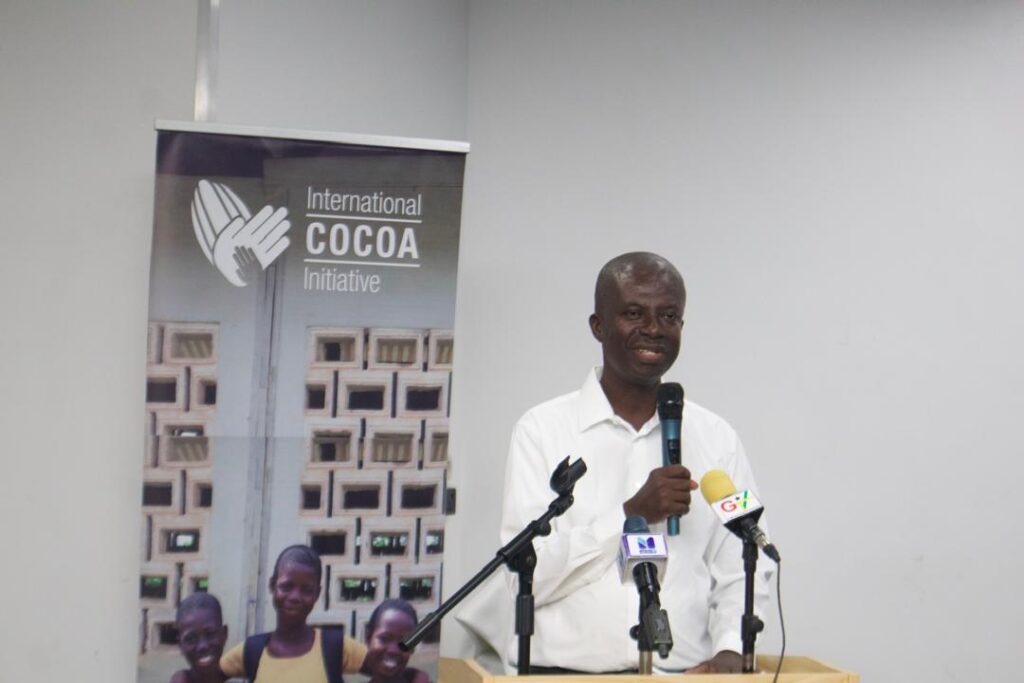
Country Director of ICI Ghana, Mike Arthur, said the compendium addresses the longstanding challenges of inconsistent data.
“This is closing a very important gap because we can now ensure that data used across reports is collected in the same manner,” he said.
The Acting Chief Labour Officer, Dauda Braimah, added that the indicators would enable Ghana to better define and track its own progress.
“It means that we can tell our own story and guide how we measure child labour going forward,” he said.
The compendium forms part of broader national and international efforts to eliminate child labour, particularly in high‑risk sectors such as agriculture, through improved data systems and coordinated action.
Latest Stories
-
Shatta Wale challenges UPSA students to build entrepreneurial mindsets
9 minutes -
Finance Minister advises African governments to strengthen regional tax cooperation
2 hours -
NPP accuses NDC of master-minding demolition of Ho regional office fence
2 hours -
Ghana plans stronger regional power trade with Nigeria
2 hours -
GRA Commissioner-General calls for stronger tax cooperation to boost regional revenue mobilisation
2 hours -
NACOC needs more personnel to tackle drug trafficking – Toobu
2 hours -
Railway workers resist KMA eviction order, demand consultation
2 hours -
Legacy Leadership Africa Institute to host boardroom women’s leadership programme
2 hours -
Ghana needs a law to sustain constitutional reforms – CDD-Ghana
5 hours -
COVID fumigation audit: Auditor-General has a lot of questions to answer – Akwatia MP
5 hours -
Stranded Ghanaian medical graduates in Cuba appeal to Mahama for immediate return
5 hours -
GNFS contains fire outbreak at Teshie Lekma Road near Lekma Hospital
11 hours -
Samia Nkrumah rejects the narrative that Ghanaians were happy after Nkrumah’s overthrow
13 hours -
A Mother’s pain: Tribute by Ivan Baidoo’s mother
13 hours -
‘Forgive us for staying away’ — Samia Nkrumah leads family back to Nkroful, pledges to preserve Nkrumah’s legacy
13 hours