

Audio By Carbonatix
Fish farmers in Ghana have been urged to adopt stronger biosecurity measures and vaccination practices as disease outbreaks continue to affect productivity in the aquaculture sector.
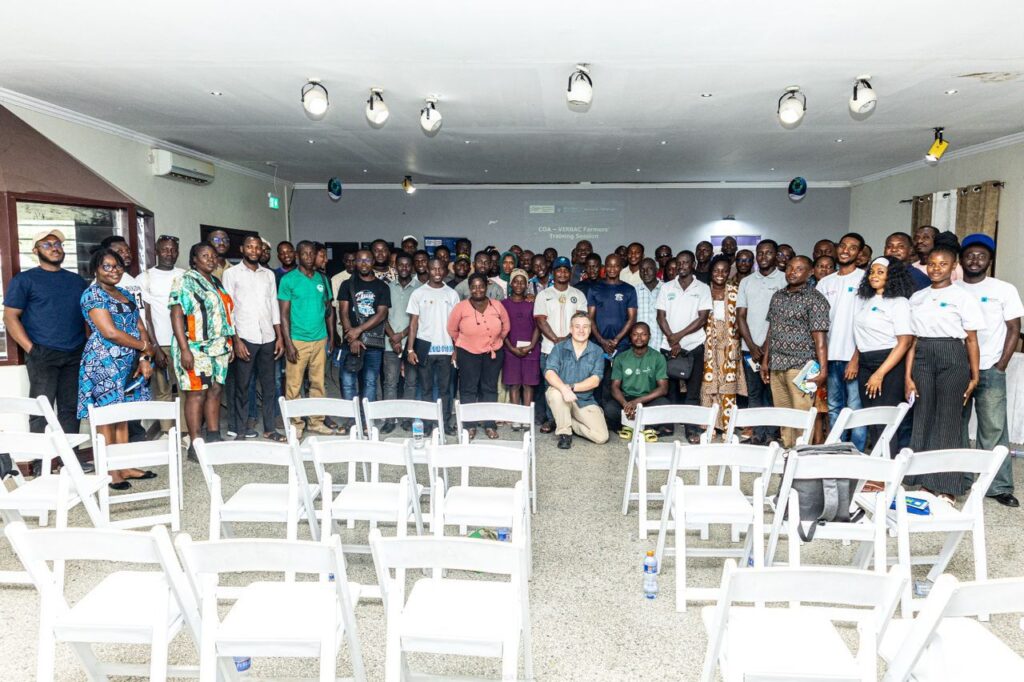
This follows a technical training workshop held on Friday, April 24, 2026, at the Volta River Authority in Akuse, Eastern Region.
The workshop brought together farmers and stakeholders and was organized by the Chamber of Aquaculture Ghana in partnership with animal health company Virbac and the Blue Food Innovation Hub. The training was sponsored by Virbac.
Rising Disease Burden in Aquaculture
Experts at the workshop raised concerns over the continued impact of diseases such as Streptococcus infections and the Infectious Spleen and Kidney Necrosis Virus (ISKNV), which remain major causes of losses in tilapia farming.
They explained that while ISKNV mainly affects fingerlings at early production stages, bacterial infections such as Streptococcus typically affect larger fish, often above 150 grams, at which point farmers have already invested significantly in feed and production costs.
According to experts, mortality at this stage results in severe financial losses, making disease prevention critical to farm survival.
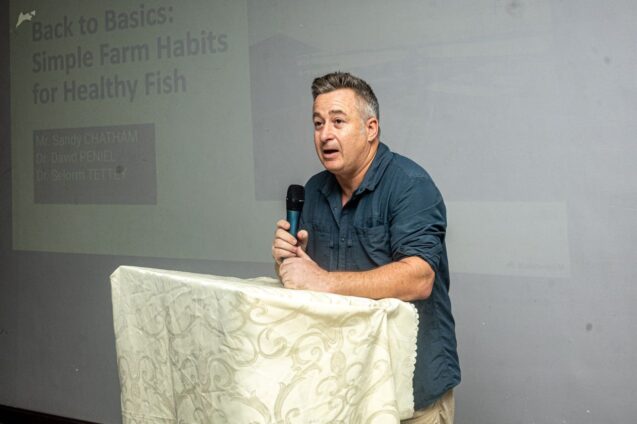
A Virbac aquaculture expert, Sandy Chatham, stressed that strict biosecurity practices remain the most effective way to reduce disease spread and farm losses.
“Most of the losses we see can be reduced significantly if farmers act early and maintain strict hygiene protocols on their farms,” he said.
He highlighted key measures, including immediate removal of dead or sick fish, strict mortality management, and temporary feed withdrawal for at least three days during suspected outbreaks to reduce stress and slow transmission.
The workshop also highlighted vaccination as an emerging and sustainable tool in disease control within aquaculture.
Experts noted that fish vaccination involves administering controlled doses to sedated fish, with field results showing survival rates above 85 percent in vaccinated stocks, alongside improved growth performance.
They added that vaccination is increasingly important as antibiotic resistance grows, particularly against Streptococcus 1B strains reported in Lake Volta.
WRC Warns on Environmental Compliance
The Water Resources Commission (WRC) also used the platform to remind farmers of their regulatory obligations under Act 522.
Represented by Eric Muala, the Commission emphasized the need for water use permits for all aquaculture operations, proper site selection, and adherence to environmental standards.
He noted that cage farms must maintain at least one-kilometer spacing, comply with depth requirements for waste dispersion, and observe 50–100-meter riparian buffer zones to protect water bodies from pollution.
“Fish farming cannot be sustainable if the environment is compromised,” he cautioned.
Sector Outlook
Stakeholders say disease-related losses remain one of the biggest challenges in Ghana’s aquaculture industry, particularly in tilapia production, where production costs are high, and losses can significantly affect profitability.
The Chamber of Aquaculture Ghana said the training forms part of ongoing efforts to equip farmers with practical skills to improve productivity, strengthen disease control, and build resilience across the sector.
Virbac also reaffirmed its commitment to supporting science-based solutions, farmer education, and vaccination uptake to improve sustainability in Ghana’s aquaculture industry.
Latest Stories
-
Avoid comparing governments, Catholic Bishops tell Chief Justice
1 minute -
140 migrants in single dinghy rescued in English Channel
22 minutes -
FIFA president Infantino will stand for re-election
31 minutes -
Catholic Bishops reject calls for Chief Justice’s resignation over political remarks
40 minutes -
Germany’s far-right AfD set for big win in eastern state, just short of majority
1 hour -
Catholic Bishops urge Chief Justice to avoid remarks that could raise doubts about impartiality
1 hour -
Mrs Doris Emma Doryumu (Nee Dove)
1 hour -
Illegal mining concessions easier to obtain than lawful ones in Ghana – Prof Frimpong-Boateng
2 hours -
At least 5 dead after Amazon cargo plane barreled off runway at Miami airport
2 hours -
Frimpong-Boateng proposes Environmental Restoration Fund funded by mineral royalties
2 hours -
Corrupt individuals are worse than pathogens; their actions cause premature deaths – Prof Frimpong-Boateng
2 hours -
No illegal mining operation will find refuge on Akyem Essase lands — Chief declares
2 hours -
Flight price rises due to ‘foolish leaders’ starting wars, Virgin’s Branson says
2 hours -
Consult traditional authorities before granting mining concessions on stool lands — Baffour Sikabede to gov’t
2 hours -
Why are European countries moving their gold out of North America?
2 hours