

Audio By Carbonatix
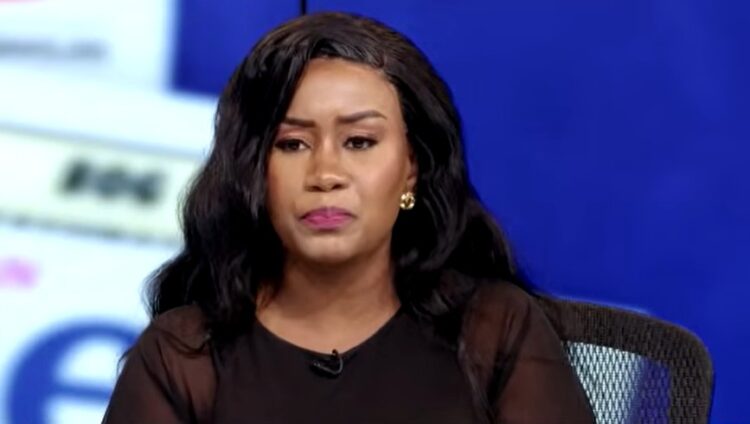
International lawyer Amanda Clinton has said the arrest and detention of a Ghanaian legislator in the Netherlands could trigger far-reaching national conversations about extradition, diplomatic relations and the treatment of politically exposed persons in international criminal investigations.
Speaking on JoyFM’s AM Show on Monday, May 18, the legal practitioner said the unfolding case involving the detention of Kwame Ohene Frimpong could reshape how Ghana approaches future extradition arrangements with foreign governments, particularly the United States.
The MP was reportedly detained by authorities in the Netherlands following what has been described as an internationally coordinated operation involving the FBI, Interpol and Dutch authorities over alleged criminal offences currently under investigation.
Although details of the allegations have not been fully disclosed publicly, the matter has generated widespread political and diplomatic discussion both in Ghana and abroad.
Amanda Clinton suggested that foreign investigators may have avoided alerting Ghanaian authorities in advance for fear the suspect could be tipped off before boarding the flight.
The lawyer noted that Ghana and the United States have maintained longstanding extradition relations stretching back decades, with several extradition cases reportedly processed in recent years.
Still, she believes the current case could force Ghana to reassess how such arrangements are handled in future.
“And it's going to lead to a larger conversation about how Ghana handles extraditions in future,” she stated.
Drawing comparisons with countries that adopt stricter approaches to extradition, she said some nations place several layers of legal and political review before surrendering citizens to foreign jurisdictions.
“For instance, China doesn’t extradite; Russia doesn’t extradite,” she said, while explaining that some countries insist on multiple judicial and executive stages before extradition requests are approved.
Amanda Clinton also suggested that the Ghanaian government may seek to minimise the diplomatic and political fallout from the incident because of the optics surrounding the arrest of a sitting legislator abroad.
“Ghana basically would want to take control of how the optics and how this narrative plays out because you're trying to minimise damage,” she said.
She also dismissed suggestions that the MP’s diplomatic passport automatically grants him immunity from arrest abroad.
“Under the Vienna Convention, he does not enjoy full immunity because he is not embassy staff,” she explained.
The lawyer stressed that diplomatic immunity applies only to specific categories of diplomats and accredited embassy officials, arguing that the MP’s case would therefore not be protected under conventional diplomatic immunity rules.
However, she suggested that behind-the-scenes diplomatic engagements could still emerge as governments seek to manage the political implications of the case.
“It’s going to be diplomatic back channels and closed-door negotiations,” she said.
The arrest has already sparked intense public debate in Ghana, with legal analysts, politicians and civil society observers questioning whether politically exposed persons receive different treatment under international law enforcement cooperation frameworks.
The case is also expected to renew scrutiny over Ghana’s anti-corruption cooperation with foreign investigative agencies and the country’s willingness to prosecute high-profile individuals accused of international crimes.
Latest Stories
-
Nkrumah Never Dies: Celebrating the visionary who awakened a continent
41 minutes -
Hassan Ayariga calls for Ghanaian ownership in strategic investment deals
42 minutes -
Black Stars: Thomas-Asante receives late call-up for September-October games
2 hours -
NPP Techiman South demands immediate release of detained Nurse Salomey Awiti Baffoe
2 hours -
‘Let’s stop the politics’ — Dafeamekpor calls for united fight against drug trafficking
2 hours -
Chief Justice Baffoe-Bonnie leads new 11-member Council for Legal Education and Training Board
2 hours -
Decades of silent diplomacy: Baba Issifu Kamara at 70
2 hours -
30% transport fare hike still on the table, talks resume Tuesday – GPRTU
2 hours -
KATH marks 70th anniversary with inter-directorate games
3 hours -
Black Stars: Godwin Attram replaces Desmond Ofei as assistant coach
3 hours -
Nkrumah never dies
4 hours -
CalBank ‘Abakade Promo’ rewards 5 customers with GH¢25,000 in first draw
4 hours -
Ecobank, Joy Business to host financial dialogue on green finance and inclusive agri-growth in Ghana
4 hours -
Nkrumah’s vision remains relevant to Ghana’s future — Mahama
4 hours -
Hitz FM announces Beach Rave for October 31
4 hours