

Audio By Carbonatix
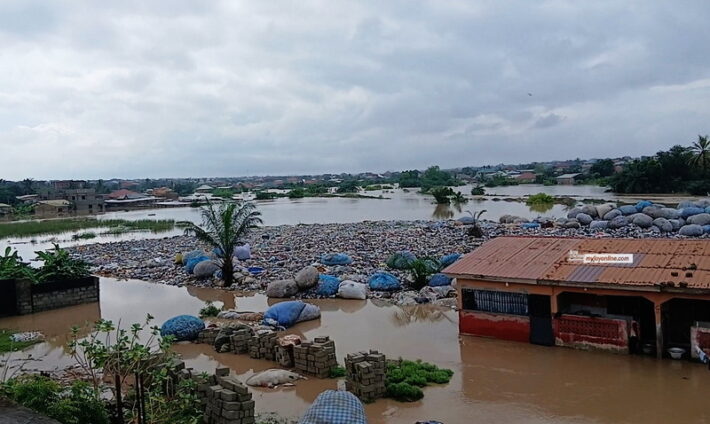
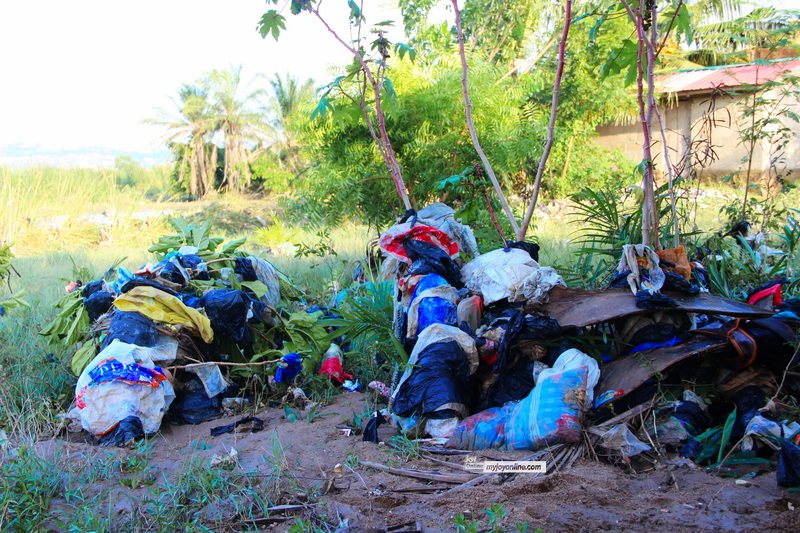
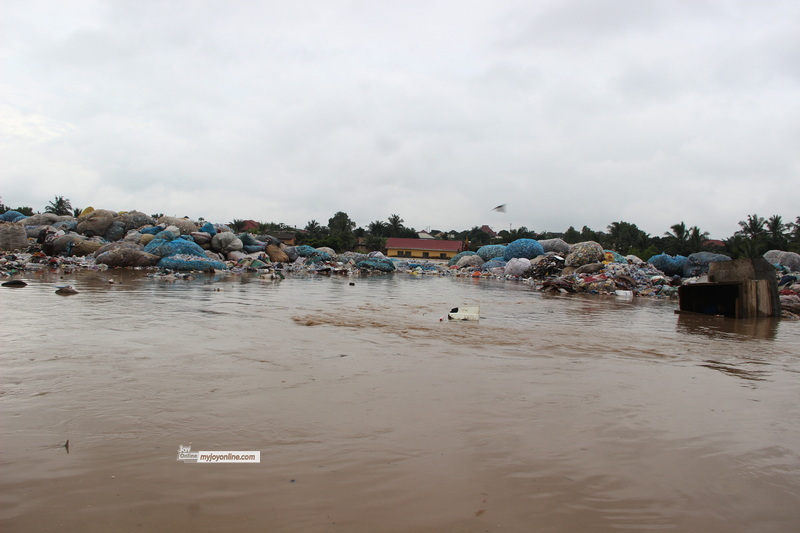
A part of an unauthorised refuse landfill site, believed to contain an uncontrolled mix of municipal, industrial, and e-waste, including heavy metals like lead, cadmium, mercury, arsenic, and chromium, has been washed into the Weija Lake.
The illegal site, which was created along the banks of the River Jei at American Farm at Ngleshie Amanfro in the Ga South Municipality of the Greater Accra Region by an unknown property developer to fill the waterway for a commercial project, was swept into the Weija Lake by Wednesday’s devastating floods.
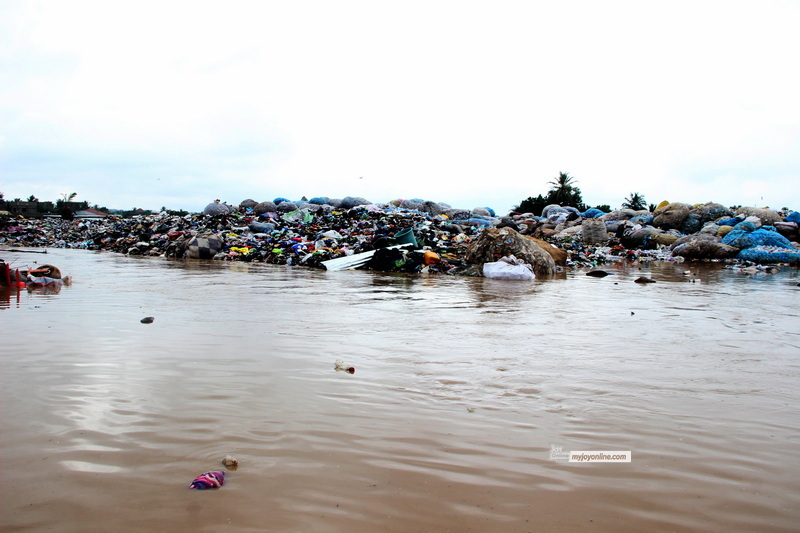
It now poses a grave danger to about 80% of Accra residents who rely on the water supply from the Weija Lake produced by the Ghana Water Company Limited.
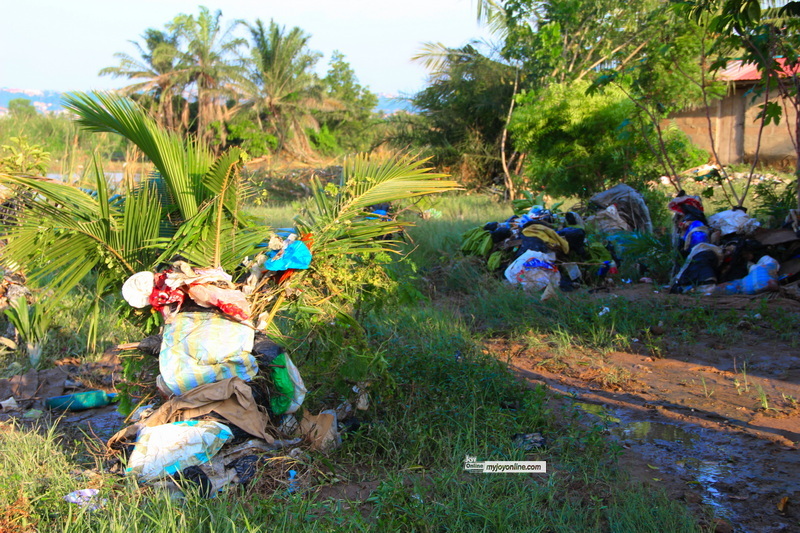
A large volume of plastic waste, including used sanitary pads, plastic bottled water containers and baby diapers, floated onto residents’ compounds, with an offensive smell that attracted swarms of flies and mosquitoes.
The Weija Lake, which serves as a source of drinking water for Accra West residents, is now raising serious environmental health concerns.
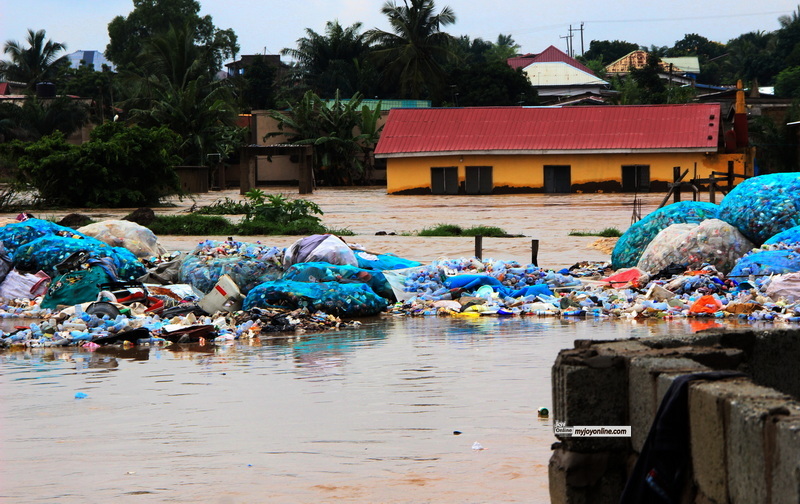
According to residents, they woke up one morning to see tricycle waste collectors disposing of refuse in their environment.
They thought it was a temporary activity, but it later attracted tricycle waste collectors from Accra and other places to dump their refuse there.
Sooner or later, their activities became a nuisance as residents could no longer stand the stench emanating from the site.
Madam Helen Ankrah, Head Teacher of West Gate International School, which is located about 100 metres from the dumpsite, said their attempt to stop the dumping was met with threats and intimidation from the persons behind the illegal landfill site.
Madam Ankrah said she and other residents reported the matter to the Ga South Environmental Office, and they were told that officials had received reports about it and promised to take action.
Mr Patrick Hayford said that since he came to the area, the community had not experienced such a terrible flood before.
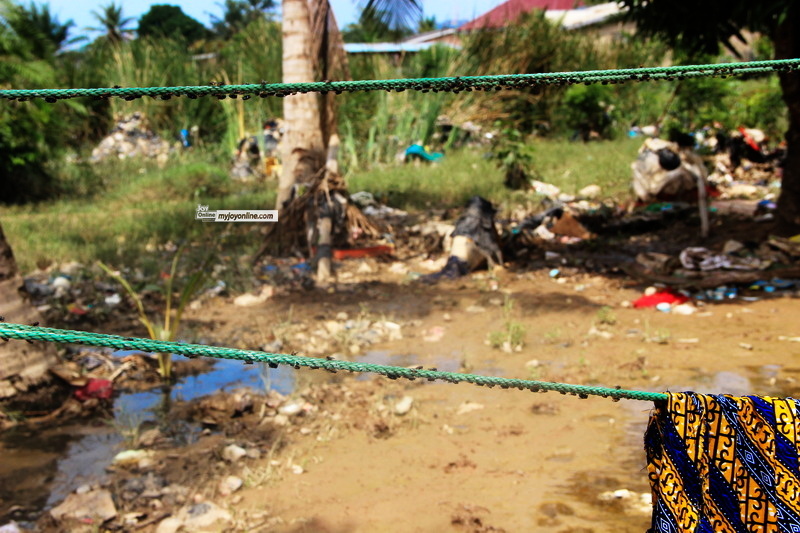
He said the most disturbing part is how their compounds have been filled with all kinds of waste, a powerful stench, and a huge presence of houseflies and mosquitoes, raising fears of a possible outbreak of waterborne diseases.
He said apart from the unbearable nature of the situation, the refuse that has been washed into the lake raises serious health concerns.
In an interview with myjoyonline, Dr. Naa Ayikailey Bruce-Vanderpuije, Senior Research Scientist at the Water Research Institute of Ghana, revealed that the uncontrolled mix of municipal, industrial and e-waste at the site likely released heavy metals like lead, cadmium, mercury, arsenic and chromium into the lake. Other contaminants include persistent organic pollutants such as PAHs from burnt waste and PCBs from electrical equipment, plus phthalates, BPA, faecal coliforms, E. coli, ammonia and hydrogen sulphide.
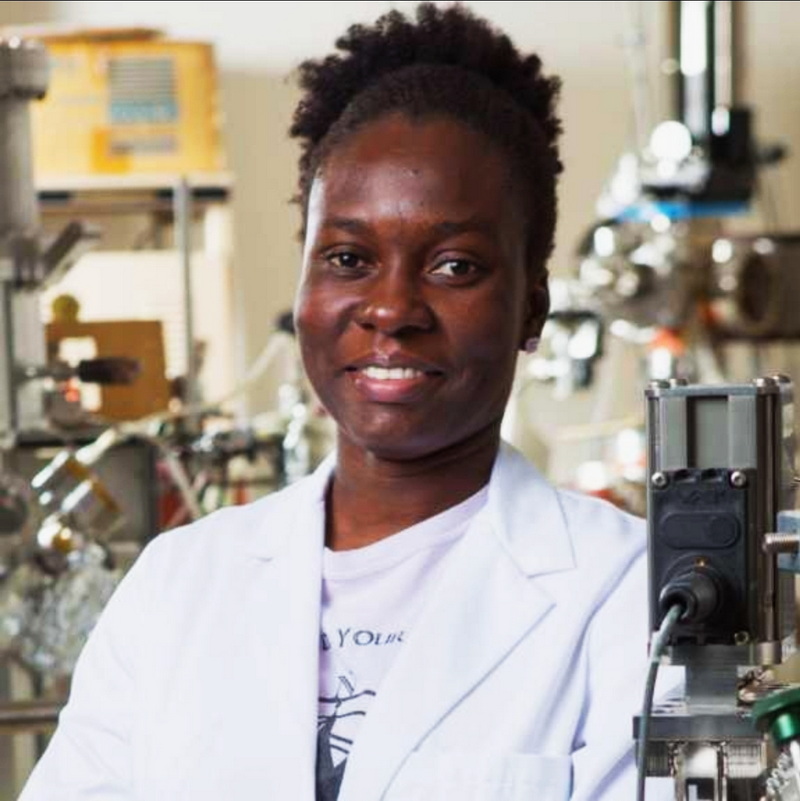
Faecal bacteria and ammonia are relatively short-lived, but heavy metals do not degrade,” Dr. Bruce-Vanderpuije explained. “They partition into bottom sediments within days and can remain bioavailable for decades. PAHs and PCBs bind strongly to organic particles and can persist in sediments for years to over a century.” She said the most immediate danger is microbiological contamination. “Faecal coliforms can cause acute gastroenteritis, typhoid, cholera and dysentery within hours to days.
Ammonia spikes also threaten aquatic life and can reduce disinfection efficacy. “The long-term risks, she added, are heavier.
Lead causes irreversible neurodevelopmental damage in children at any level.
Cadmium accumulates in kidneys and causes progressive kidney disease. Arsenic is a known carcinogen linked to bladder, skin and lung cancers.
PAHs and PCBs bioaccumulate in fish and pose cancer and endocrine disruption risks that will play out over decades if not fully remediated.
Dr. Bruce-Vanderpuije urged GWCL and EPA to prioritise tests for total coliform, E. coli, turbidity, pH, dissolved oxygen, conductivity and ammonia. Within one week, a full heavy metal panel should be done.
Within 2-4 weeks, screening for PAHs, PCBs, phthalates and bioassay toxicity testing should be completed, with sediment cores taken near the inlet. “All results must be benchmarked against WHO drinking water guidelines and Ghana EPA/GSA standards, and published in full,” she said.
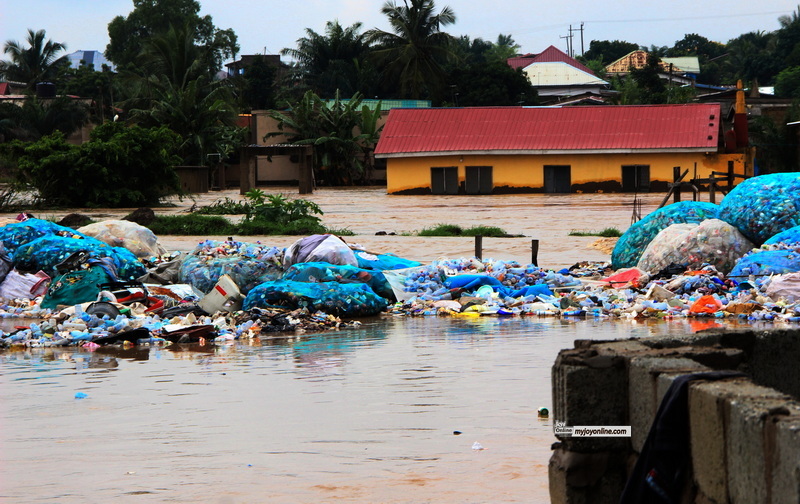
For the debris on the dam banks, she advised that it must be treated as hazardous waste until proven otherwise.
Workers must use full PPE and waste must not be burned openly, as this creates dioxins and furans.
Material should go to a permitted landfill with leachate containment, and a temporary silt curtain should be deployed to intercept particles during future rains. Long-term health impact
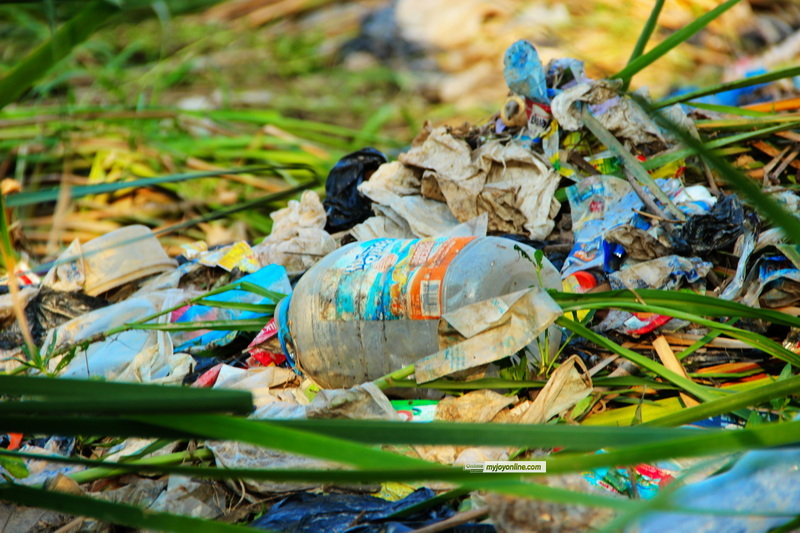
Children under five face the greatest risk from lead, with even low levels causing measurable IQ loss and behavioural problems. Pregnant women exposed to cadmium, mercury and organic pollutants risk preterm birth and foetal neurological impairment.
Adults face increased cancer risk from arsenic and progressive kidney disease from cadmium. Policy gaps
Dr. Bruce-Vanderpuije said Ghana has laws like the Water Resources Commission Act, EPA Act and Public Health Act, but enforcement is failing.
There is no legally enforced boundary around Weija’s catchment, no national register of dump sites, and agencies like EPA, GWCL and District Assemblies work in silos. Fines for illegal dumping are also too low to deter offenders. She noted similar incidents have occurred before.
The Densu River, which feeds Weija, has faced over a decade of contamination from human activities and industrial discharge.
“My greatest concern is that heavy metals and persistent organic pollutants have already bound to lake sediments and will continue leaching into Accra’s water supply for months or years,” she said. “Residents should stop drinking tap water immediately and switch to verified bottled or sachet water from regulated sources until GWCL publishes independent lab results confirming the water meets WHO standards at the tap.
Water Research Institute conducts research into all aspects of water resources (both living and non-living) in order to provide scientific and technical information and services, as well as strategies for the sustainable development, utilization, and management of such resources for the socio-economic advancement of the country
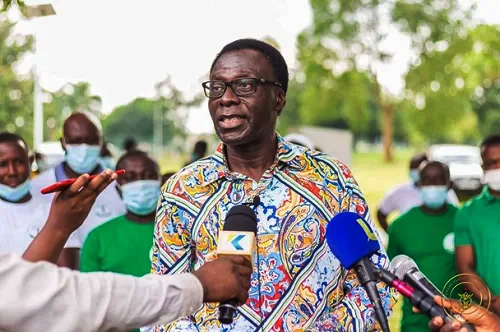
On his part, the President of Friends of Rivers and Waterbodies, Nana Dwomoh Sarpong, said by law, the construction of any landfill site must receive prior approval from the municipal authority. “The fact that waste from this site was swept into a water body that supplies about 80% of Accra residents is not just negligence; it is a criminal act, and the law must be allowed to work without fear or favour,” he said. “I am deeply worried about the systemic failure on the part of government to punish individuals and companies that build in waterways and protected catchment areas.
For years we have watched developers and waste operators flout environmental regulations with little or no consequence, and the result is always the same:
our rivers, dams and drinking water sources pay the price. My question is simple: How was someone able to site a landfill project in a residential area, right on the banks of a river that feeds the Weija Dam, without the Ga South Municipal Assembly noticing? A project of that scale cannot happen on the blind side of an entire assembly.
This points to either gross negligence or deliberate collusion, and both must be investigated.
Until we start prosecuting offenders and sealing off water catchments with legally enforceable boundaries, we will keep recycling the same disaster.
Accra cannot afford another day of toxic waste in its taps.
In an interview, the Assembly Member for Ngleshie Amanfro, Mr. Kobina Fiamor, said the Ga South Municipal Chief Executive, Moses Kabu Kubi Ocansey, the Member of Parliament, Felix Akwetey Okle, the coordinator, and his team visited the area during the floods.
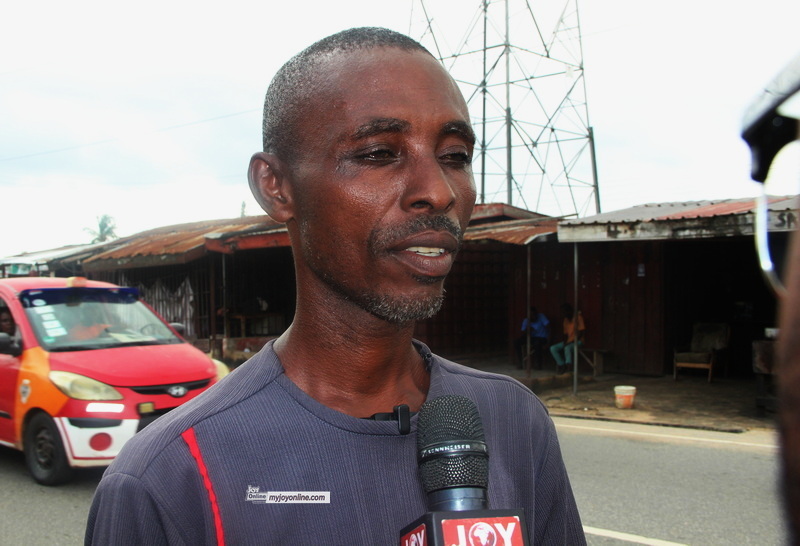
He said the landfill site was the main cause of the massive flooding in the community because it blocked the waterway. Due to its closeness to the Jei River, water could not flow freely, and that has become a major challenge for residents across the entire community. “When contaminants from that waste are swept into the water, and that same water is treated and piped to us to drink, it becomes a very dangerous situation,” Mr. Fiamor stated. He added that no one in the assembly knows who permitted the dumping.
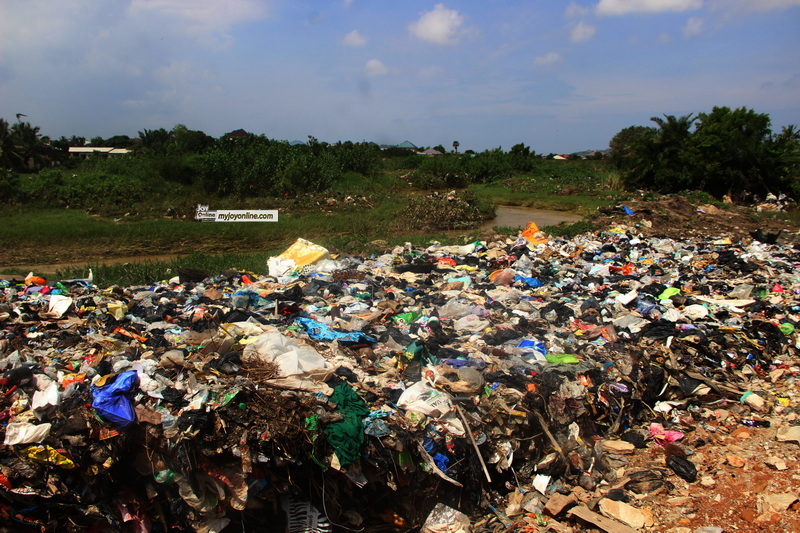
The construction of the landfill site was not sanctioned by the Ga South Municipal Assembly, and we have taken the matter to court,” he said.
Because of the stench and other health concerns, Mr. Fiamor said he instructed the operators to cover the refuse with sand to reduce the smell and protect residents.
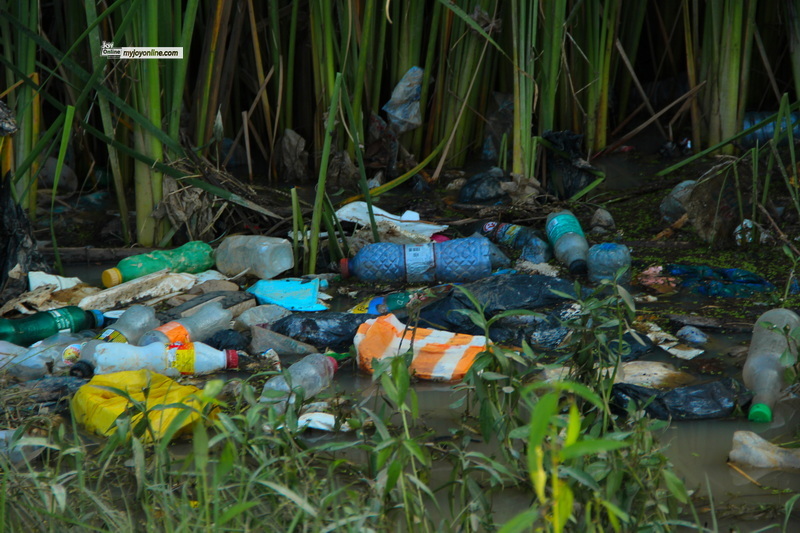
He also revealed that some affected residents wanted to take the law into their own hands and attack truck drivers who were dumping gravel there as a temporary control measure. “I told them to stop. We are addressing the issue through the proper channels, so I insisted that we use the law to deal with the matter,” he explained.
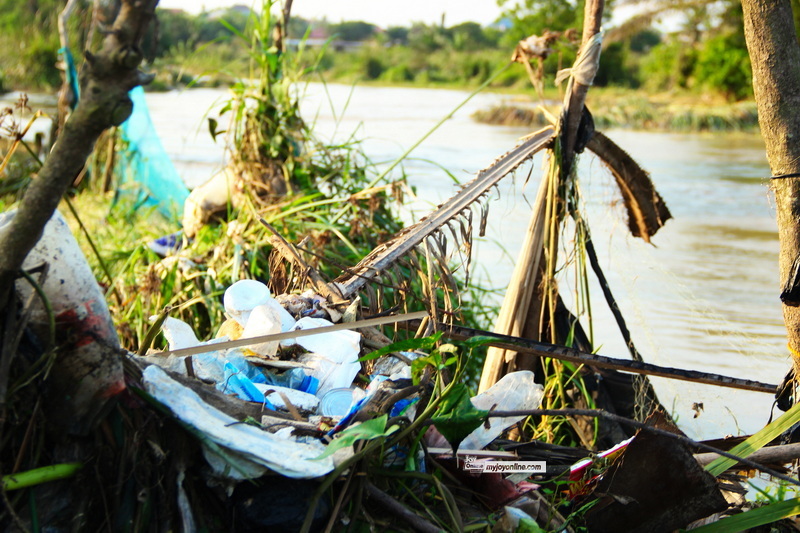
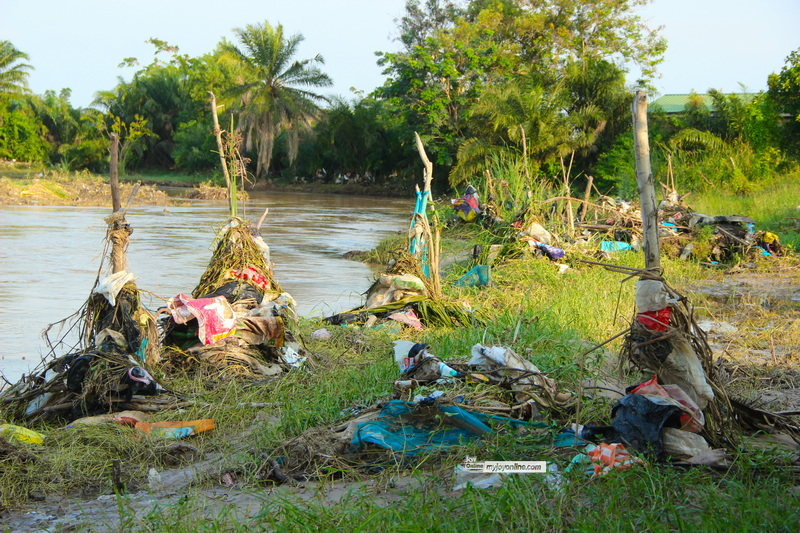
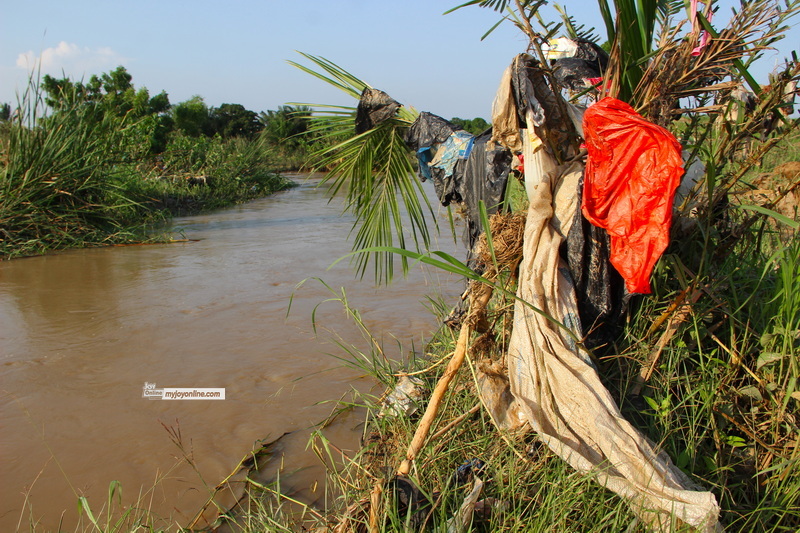
A tour downstream along the River Jei, conducted by this reporter, revealed a grim trail of waste stretching for several kilometres before the river empties into Weija Lake.
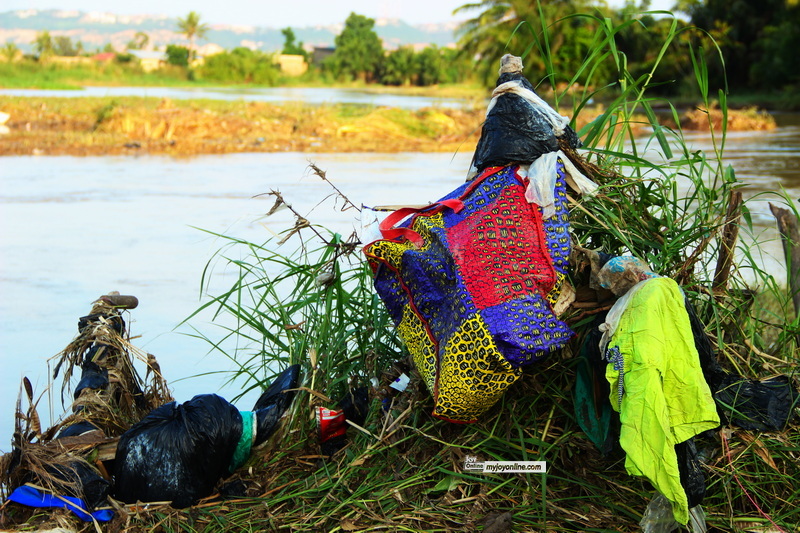
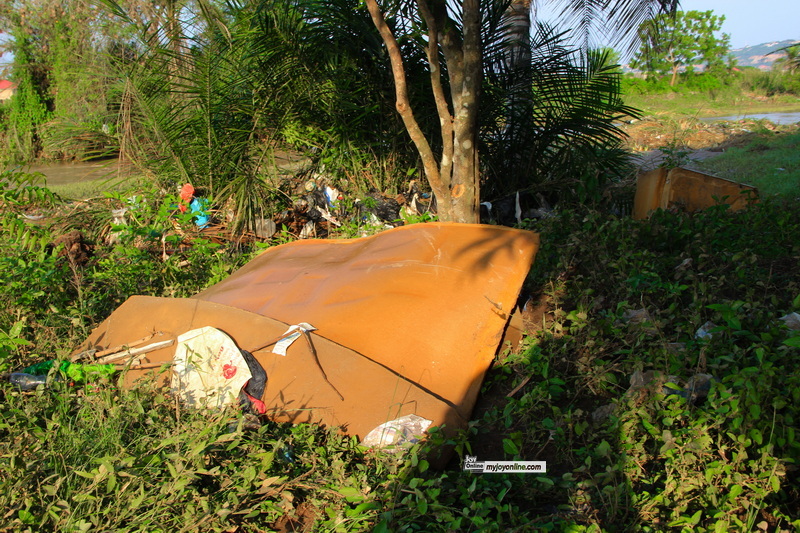
At multiple points along the banks, large quantities of plastic waste that failed to reach the lake during Wednesday’s floods were lodged in bushes, tangled in tree roots, and scattered across open ground several miles upstream.
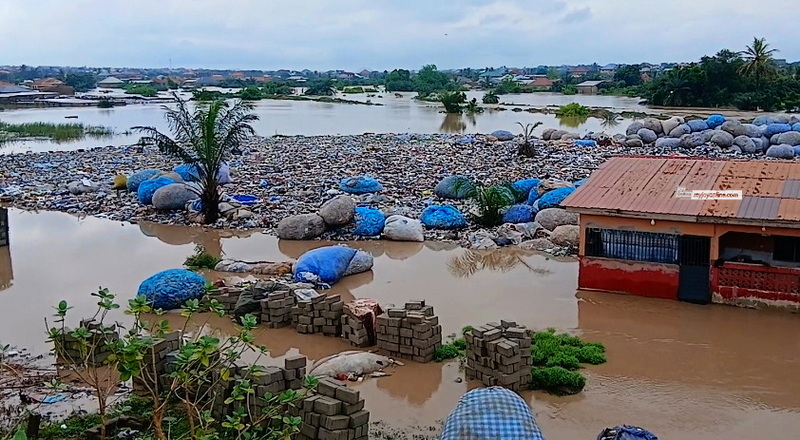
Unless the waste trapped along the River Jei is cleared urgently, Weija Lake faces the prospect of repeated pulses of plastic and toxic leachate with every rain.
Latest Stories
-
Judge blocks Trump’s White House media ban, orders access to be restored
4 minutes -
Togbe Afede calls for unity to accelerate Volta development
32 minutes -
Finance Minister urges Ghanaians to demand tax invoices
36 minutes -
Data Protection boss calls for connected regulators to tackle big tech power
42 minutes -
Man arraigned before court for allegedly posing as soldier, stealing
57 minutes -
Let elections become instruments of peace, not conflict – Peace Council
1 hour -
Chinese businesses urged to invest in Volta Region
1 hour -
Ghana plans modern museum to receive returned artefacts – Ablakwa
1 hour -
Ghana seeks strategic partners to create jobs, boost industrialisation – Ablakwa
1 hour -
Brazilian President commends Mahama for leading effort for reparative justice
1 hour -
Ayariga engages MMDCEs, consultants on rollout of 24-hour model markets
1 hour -
Ghanaians abroad stages UN protest, demand accountability from Mahama government
2 hours -
Mahama Ayariga reviews Agbogbloshie waste evacuation, calls for measures to ease traffic delays
2 hours -
Let Raymond Archer come and arrest me – Baffour Awuah dares EOCO ahead of court today
2 hours -
Ghana’s public debt rises to GH¢733.9bn as domestic borrowing drives increase
2 hours