

Audio By Carbonatix
Director-General of the Social Security and National Insurance Trust (SSNIT), Kwasi Afreh Biney, has cautioned against any hasty move to increase Ghana’s retirement age.
He argues that the issue goes far beyond rising life expectancy.
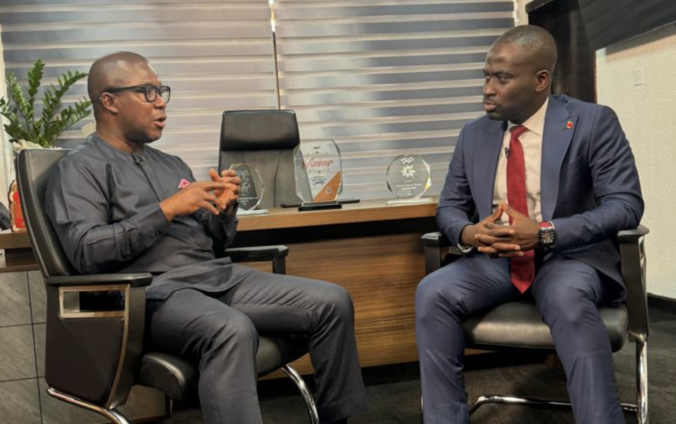
Speaking on Joy News’ PM Express Business Edition recently, Mr Biney acknowledged that demographic trends have changed significantly, with many Ghanaians living longer and remaining active well beyond the current retirement age of 60.
“I agree that the demographic numbers have shifted rapidly. A lot more people today in Ghana are living longer, are much stronger even after 60, I agree,” he said.
However, he stressed that longevity alone should not determine retirement policy.
“But a decision to extend retirement goes beyond just that. You need to consider factors like your employment rate, unemployment numbers, and availability of jobs, so we all need to go and sit together as stakeholders, brainstorm, deliberate, and ultimately come to the point where we all make a decision rather than an individual institution like SSNIT deciding,” he stated.
His comments came in response to suggestions that workers should be allowed to remain employed for longer periods, especially as many retirees return to the private sector to continue working and build additional savings.
Mr Biney maintained that changing the retirement age would have wide-ranging implications for the labour market and should not be viewed solely from a pension perspective.
According to him, extending the retirement age would naturally improve the pension scheme’s finances because contributors would pay into the system for longer while drawing benefits later.
“Because, of course, if you extend the pension years from, let’s say, 60 now to 65 or 67, what it practically means is that my payout now will reduce whilst more contributions will come in,” he explained.
Yet he warned that the potential gains for pension funds must be weighed against the possible impact on employment opportunities for younger people.
“How do we just oppose that against probably creating another backlog of five to seven years on unemployed youth who could have come into the employment bracket?” he asked.
The SSNIT Director-General said the debate requires a careful assessment of competing national priorities rather than a quick policy decision.
“So we need all of us to sit down, look at the numbers, look at the various alternatives, the opportunity cost of taking a particular decision against the other, and then we take a much more comprehensive decision,” he said.
Mr Biney’s intervention adds a fresh dimension to discussions on retirement reform, highlighting the need to balance the realities of longer life expectancy with concerns about unemployment and access to jobs for younger Ghanaians.
While acknowledging the changing demographics, he insisted that any decision on retirement age must emerge from broad national consultations and a thorough evaluation of its economic and social consequences.
Latest Stories
-
World Bank’s Ghana poverty findings vindicate our April 2026 wellbeing report – APL
7 minutes -
Tiwa Savage pushes back against criticism over female collaborations
8 minutes -
Treat private schools as partners, not pressure group – Bagbin
17 minutes -
Fire guts chop bar at South Odorkor, no casualties recorded
19 minutes -
Uganda declares end to Ebola outbreak after 42 days without a new case
22 minutes -
I’m the youngest but most experienced NPP chairman aspirant – Nana B
23 minutes -
Appointments Committte Chairman rejects Minority’s objection to rushed Supreme Court vetting
25 minutes -
‘You called it court packing under Akufo-Addo; what has changed?’ — Afenyo-Markin slams NDC gov’t over new SC justices
30 minutes -
Vetting of Supreme Court nominees proceeds despite Minority walkout
36 minutes -
Two teenagers, 13 and 14, among 33 UK nationals missing in Nepal floods
36 minutes -
Don’t let a data mismatch deny young Ghanaians the chance to serve
40 minutes -
‘Flimsy, hollow, baseless’ – Ahiafor dismisses Minority’s objection to judges’ vetting
40 minutes -
Paul Afoko is best placed to unite a divided NPP – Broadcast Journalist, Abdul Moomen
50 minutes -
Paul Afoko: Perhaps the unifier the NPP needs now
55 minutes -
NSMQ 2026: Labone SHS knocks out seeded Koforidua Sec. Tech. to book quarter-final spot
59 minutes