

Audio By Carbonatix
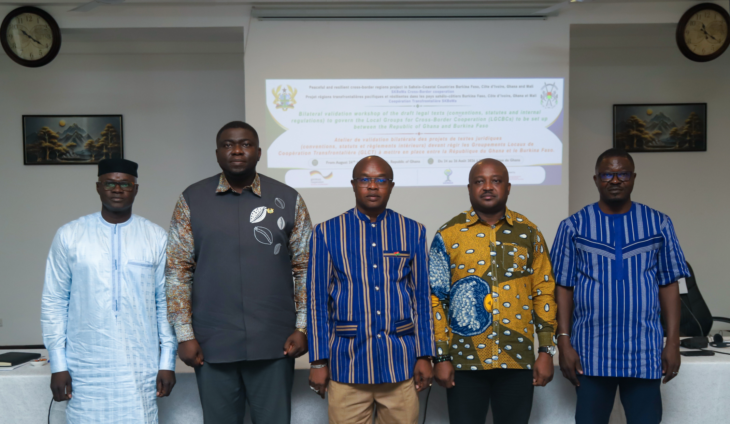
Ghana, Burkina Faso and Côte d’Ivoire have begun a week-long engagement in Wa to strengthen cooperation among communities along their shared borders.
The meetings focus on harmonising and validating legal frameworks for establishing and operating Local Groups for Cross-Border Cooperation (LGCBCs).
The initiative is expected to improve information sharing, dialogue and joint action among local authorities, communities, security agencies and other stakeholders in border areas.
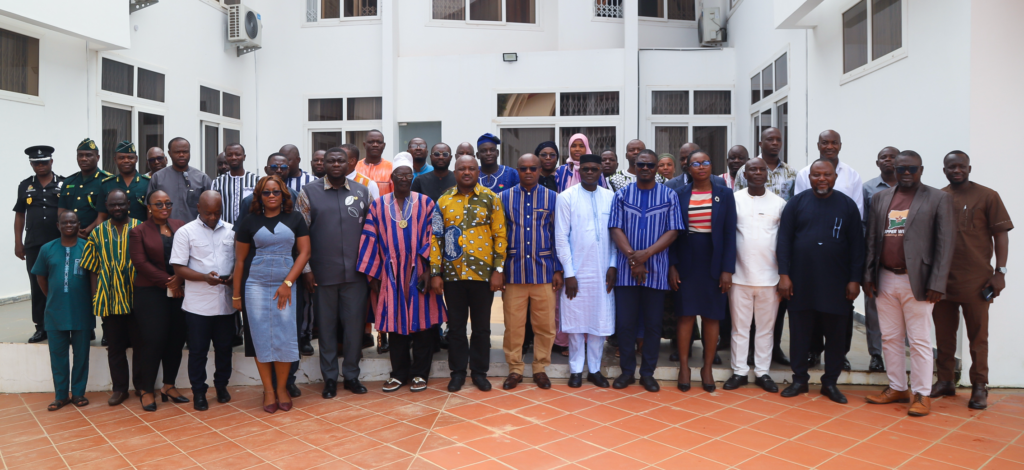
Representatives from the three countries have converged in Wa for separate bilateral discussions between Ghana and Burkina Faso, and Ghana and Côte d’Ivoire.
At the opening of the Ghana-Burkina Faso meeting, Deputy Commissioner General of the Ghana Boundary Commission, Frederick Somuah Obeng, said the initiative would establish sustainable local structures to address challenges affecting border communities.
He said the structures would also help improve resilience and promote shared socio-economic development.
“…the LGCBCs have the potential to become important platforms for identifying common challenges, developing joint solutions, strengthening community resilience, promoting local development and deepening social cohesion among border communities on both sides of our common boundary”, the Deputy Commissioner General stressed.
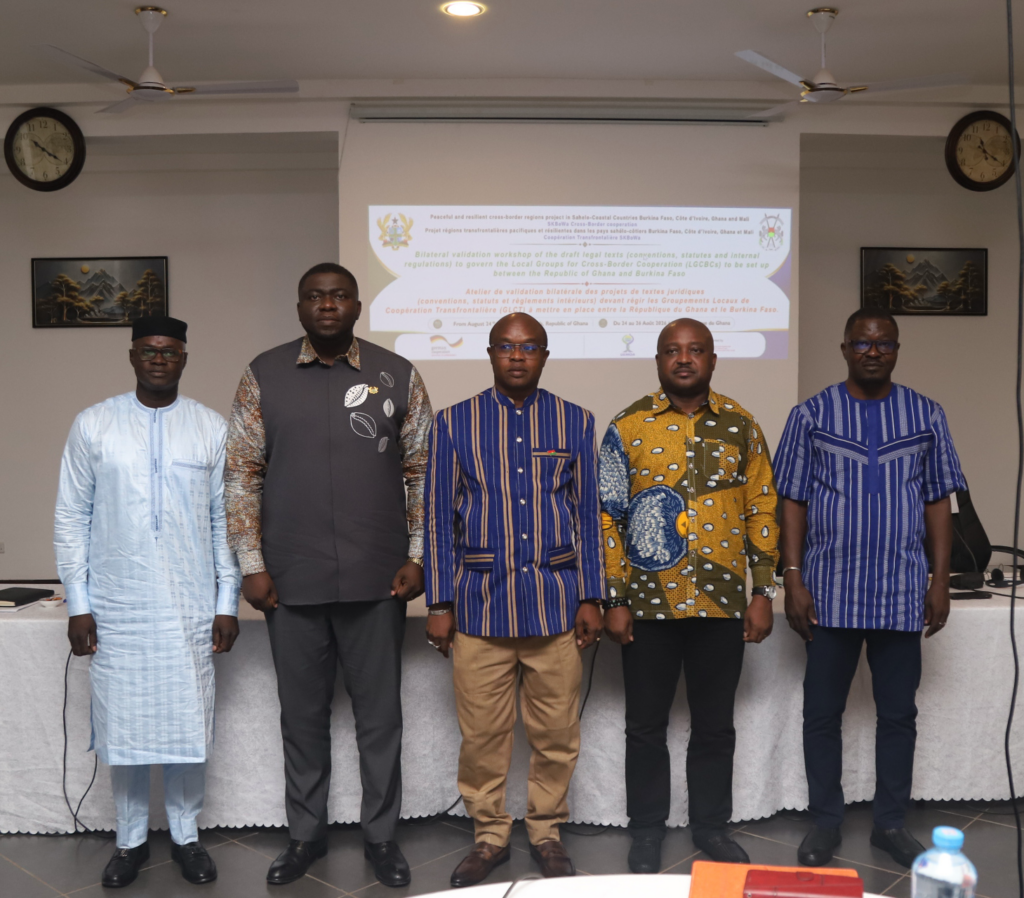
Mr Somuah Obeng said the initiative would also provide a platform for local authorities and security agencies on both sides to work together on common challenges and identify opportunities for development.
He stressed that the process forms part of broader bilateral agreements between Ghana and Burkina Faso.
“It is important to emphasise that this process is not taking place in isolation. Rather, it forms part of a broader and steadily advancing framework of cooperation between Ghana and Burkina Faso.
"The establishment of the Local Groups for Cross-Border Cooperation should therefore be viewed as an important local-level dimension of these broader bilateral frameworks.
"These Groups should serve as practical avenues for bringing the spirit and objectives of our bilateral cooperation closer to the communities and local authorities that experience the realities of our shared boundary on a daily basis”, he reiterated.
The Deputy Commissioner General commended Burkina Faso for its cooperation throughout the process, which began in 2024.
He also acknowledged the technical and financial support from GIZ and the African Union Border Programme.
The Upper West Regional Minister, who co-chaired the meeting, urged participants to contribute actively to the discussions, describing the validation process as critical to establishing sustainable cross-border cooperation.
The Governor of the Djoro Region and leader of the Burkina Faso delegation, Camarade Siaka Baro, also expressed appreciation to the Ghana Boundary Commission and Burkina Faso’s National Boundary Secretariat for their continued efforts to strengthen cooperation.
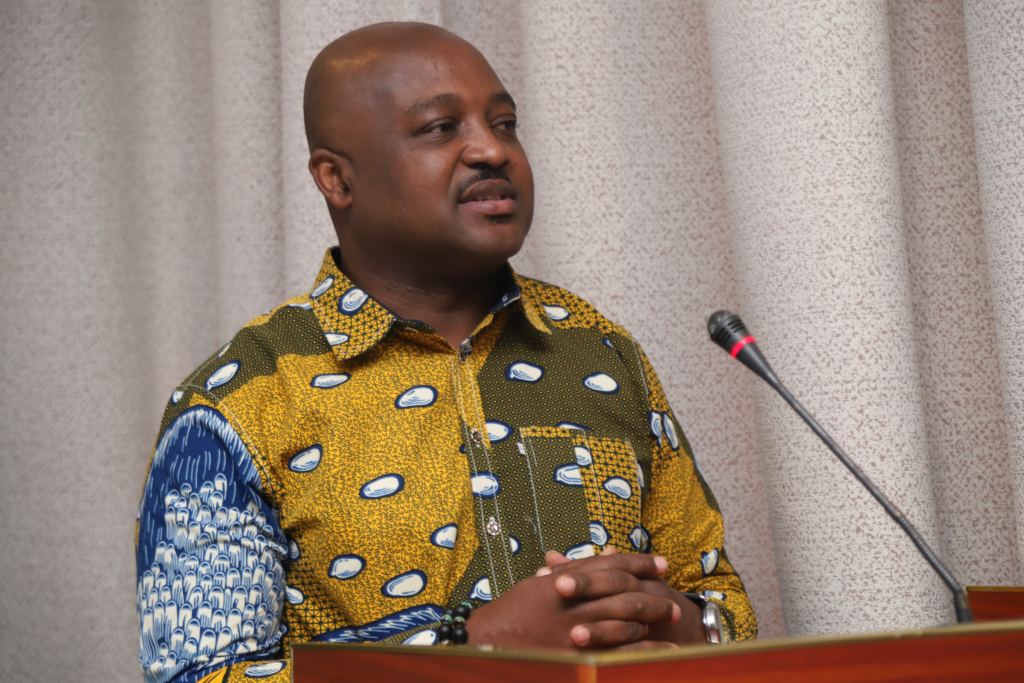
The West Africa Regional Coordinator of the African Union Border Programme Support Project, Mamoudou Tapily, described the proposed LGCBCs as “concrete and powerful institutional levers” that would give neighbouring local authorities the capacity to take direct action.
He said the structures would enable communities on both sides to jointly manage challenges arising from their shared geography and history.
The meetings are expected to conclude with the validation of draft legal texts governing the LGCBCs.
The initiative is expected to strengthen cooperation among Ghanaian, Burkinabe, and Ivorian border communities while contributing to more peaceful, resilient, and prosperous border areas.
Latest Stories
-
The Luckiest JoySports Invitational 2026: Check out full draw and fixtures for football event
9 minutes -
Styrofoam Ban: EPA launches second public awareness campaign in Kumasi
19 minutes -
Discipline or Abuse: What happens when ‘Discipline’ becomes torture? A 12-Year-Old’s harrowing tale
29 minutes -
Gong Gong Glory: Publicis West Africa strikes gold again
40 minutes -
Prolong Middle East tensions could hurt Ghana’s economy – World Bank warns
41 minutes -
Interior Minister presents 33-seater bus to Ghana Prisons Service
46 minutes -
Elton John, Oprah Winfrey and Paul McCartney join tributes to Dolly Parton
47 minutes -
We are solidly behind you – Christian Council rallies support for Ghana Medical Trust Fund
1 hour -
Gold strategy must shield BoG from commercial risks – Licensed Gold Buyers
1 hour -
Saglemi: NPP’s private-sector model vindicated – Kojo Oppong Nkrumah
1 hour -
Dolly Parton net worth: The country legend had no kids. Here’s where her fortune is going
1 hour -
CPS says DGPP design makes losses inevitable, calls for overhaul
1 hour -
Today’s Front Pages: Wednesday, August 26, 2026
1 hour -
Gillman & Abbey Funeral Service and Remembers Group partner to preserve legacies and expand funeral services in Ghana
1 hour -
Free SHS at 9: Access up, but what about quality? – Centre for Policy Scrutiny to review programme
1 hour