

Audio By Carbonatix
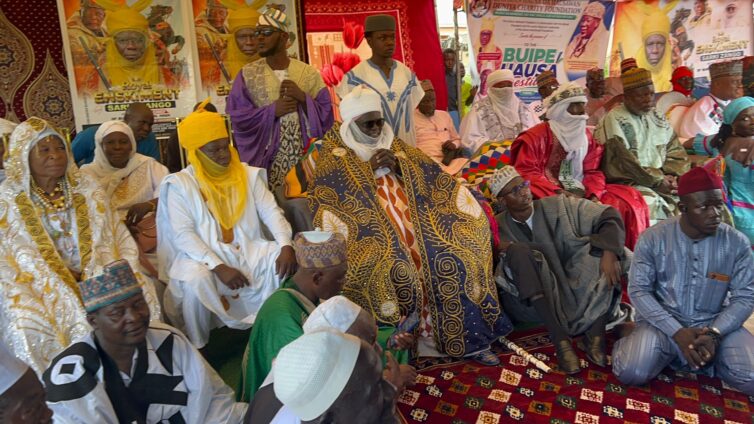
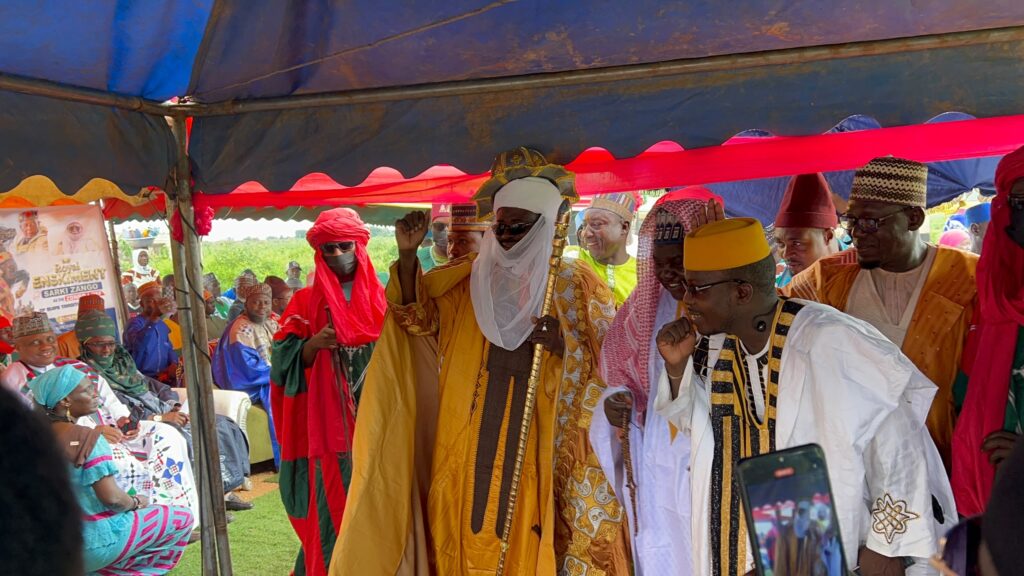
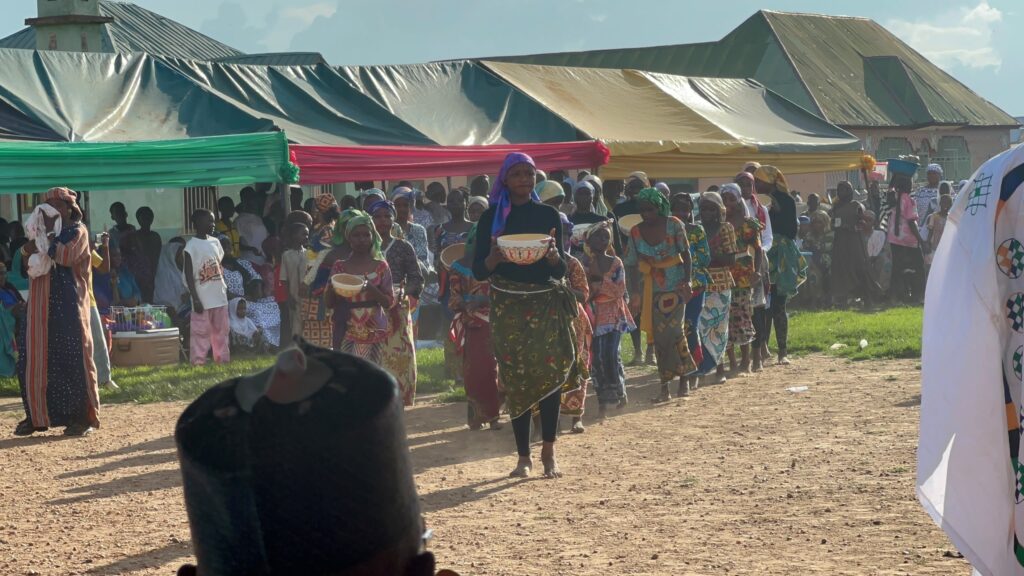
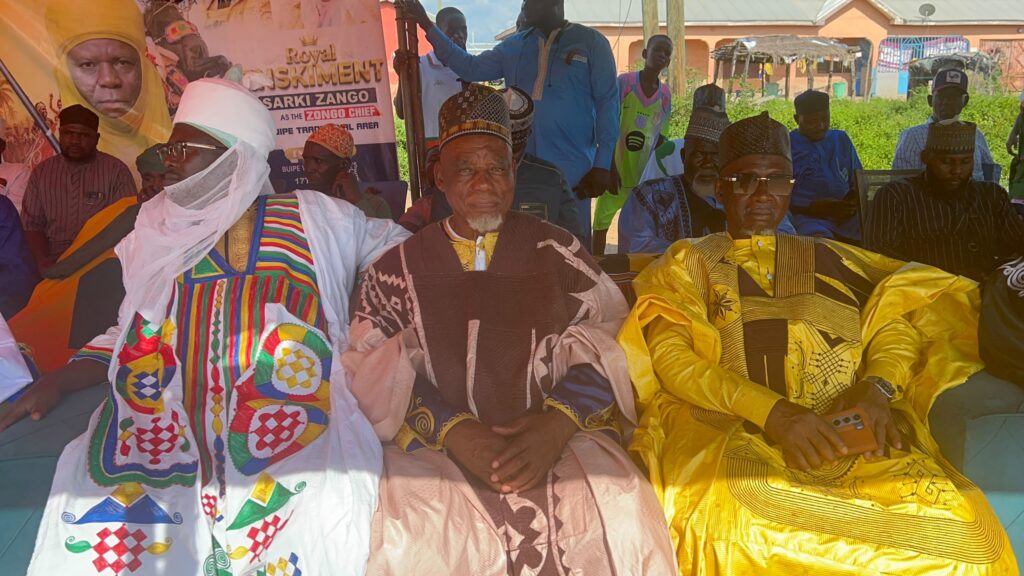
The ancient town of Buipe in the Savannah Region came alive over the weekend as the Hausa community gathered for their annual cultural festival, a vibrant celebration of language, tradition, and economic heritage that drew chiefs, community leaders, and diaspora members from across Ghana and beyond.
But beneath the colorful display of horsemanship, traditional attire, and kalangu drumming, the festival carried a powerful message: the Hausa people are not peripheral to Ghana's story—they are foundational to it.
A Call to Order: Tafida's Charge
Alhaji Ahmed Tijani Abubakari Ali, National President of the Hadinkan Hausa da Hausawa, known widely as Tafida, used the occasion to deliver a frank and wide-ranging address that touched on security, citizenship, and the future of Zongo youth.
His first concern was vigilance. Tafida cautioned Zongo communities across Ghana to be careful about the strangers they welcome—particularly those arriving from neighboring countries without proper vetting.
"We are a people of trade, of faith, of hospitality," he said. "But hospitality without wisdom is a door left open to danger. We must not be naive. Not everyone who speaks our language shares our values. Do your due diligence. Know who you are harboring. The safety of our communities—and of Ghana—depends on it."
It was a delicate balance—honoring the Hausa tradition of hospitality while acknowledging the realities of modern security threats.
The Passport Struggle: "A Right, Not a Favor"
Tafida also took aim at what he described as a "quiet injustice" at home: the struggles Hausa people face in obtaining Ghanaian passports despite generations of citizenship.
"We are Ghanaians. Our fathers were born here. Our children were born here. Why then must we prove what is already written in our blood? A passport is not a favor—it is a right."
His words resonated with many in the crowd—families who have lived in Ghana for generations yet still face bureaucratic hurdles that question their belonging.
Drug Abuse: A Community Emergency
Perhaps the most urgent warning came on the issue of drug abuse among Zongo youth as the Zongo Chief of Buipe, Sarki Abdullahi Mohammed noted.
"Our youth are being consumed," Sarki Abdullahi said. "And we—parents, chiefs, elders—are we not the ones who looked away? The time for silence is over. The time for action is now."
He called on parents to reclaim their role as first teachers, on chiefs to enforce accountability, and on the community to build alternatives—skills training, education, and economic opportunities that can pull young people away from addiction.
The Zongo Chief of Buipe, Mei Martaba Abdullahi, raised these concerns, urging parents to step up and change the narrative.
The Economic Case: Hausa as Infrastructure
Earlier, General Secretary Suhail Abdul Mumin delivered a keynote address that reframed the Hausa narrative—from marginalized migrants to economic architects.
He argued that the historic Zongo settlements were, in fact, Ghana's earliest Special Economic Zones. Centuries before formal regional blocs, Hausa trading networks linked the Sahel to the coast—pioneering livestock supply chains, textile trade, and leather craftsmanship that sustained cities like Kumasi, Salaga, Tamale, and Accra.
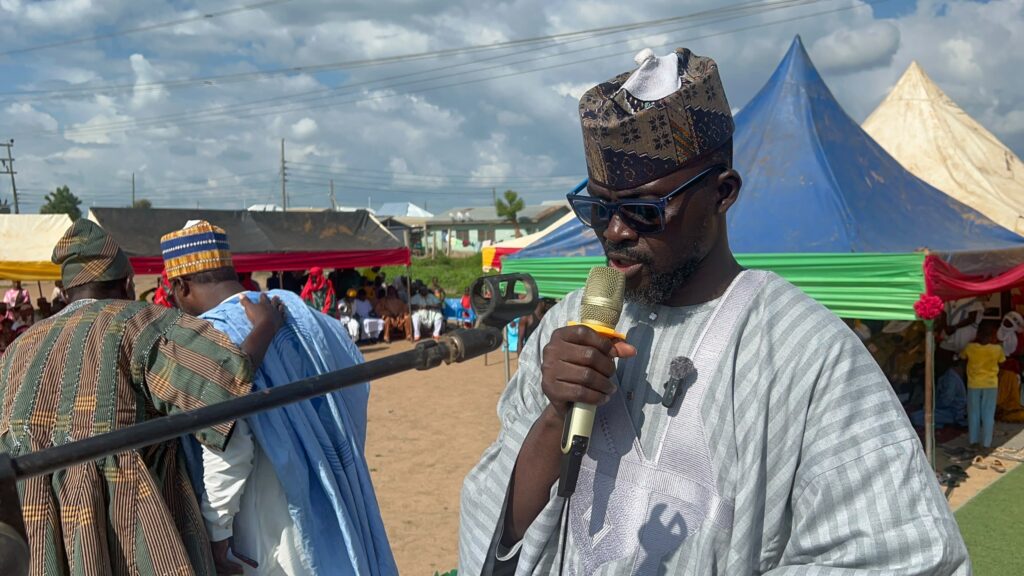
"To study the economic history of Ghana without centralizing the Hausa commercial framework is to read a book with its foundational chapters torn out," he said.
Suhail also highlighted the strategic value of the Hausa language in contemporary trade. In markets from Techiman to Makola, Hausa serves as the transaction language that bridges ethnic lines—allowing a Ga woman, an Akan man, an Ewe trader, and a Dagomba merchant to bargain, agree, and prosper together.
With over 150 million speakers across West and Central Africa, he argued, Hausa is Ghana's organic diplomatic and commercial bridgehead into the largest markets in Africa—an untapped asset for economic diplomacy under the African Continental Free Trade Area (AfCFTA).
A People of Builders
As the festival drew to a close, Tafida reminded his people of their strength.
"We are not beggars at Ghana's table. We are builders. We built the markets. We built the trade routes. We will build the future—but only if we first build ourselves."
It was a message that resonated long after the drums fell silent—a call to order, a call to unity, and a call to pride.
About the Hadinkan Hausa da Hausawa
The Hadinkan Hausa da Hausawa is a worldwide organization dedicated to the promotion of Hausa language, culture, and socio-economic development in Ghana and around the globe.
The annual Hausa Festival serves as a platform for cultural celebration, community dialogue, and economic empowerment.
Latest Stories
-
Korle Bu begins work on 400-bed Mother and Child Block with IVF, NICU and theatres
4 minutes -
Mahama discusses potential Open Society Foundations support for ECOWAS integration
7 minutes -
IGP, Savannah Regional Minister visit Gbindabuor as 36 suspects assist police investigations
10 minutes -
Carlos Queiroz sets 2027 AFCON qualification as Ghana’s immediate Black Stars target
41 minutes -
When oil rises but the pump does not rise as much
46 minutes -
Starting a business in Ghana as a young man is tough – HR practitioner
1 hour -
Nkrumah’s policies should inform Ghana’s development — UG African Studies Director
1 hour -
Ghana Evangelical Missions Association urges Christian leaders to preach against galamsey and intensify advocacy
1 hour -
Buipe Hausa Festival: National President Tafida calls for vigilance, unity, and youth reform
1 hour -
Government urges domestic airlines to reduce airfares after duty exemptions
1 hour -
Beyond vehicle age: Why Ghana needs a smarter vehicle import policy
2 hours -
Are we marketing Ghana before fixing the experience? A hard question for our tourism ambition
2 hours -
AFCON 2027Q: Prince Adu Kwabena major doubt for Ghana after head injury
2 hours -
Government to procure furniture to help more SHSs move from double-track — Haruna Iddrisu
2 hours -
Adutwum spokesperson alleges ‘turf war’ between Education Ministry and GES over Free SHS
2 hours