

Audio By Carbonatix
Severe teacher shortages in some remote communities are threatening efforts to keep children in school and protect those vulnerable to child labour, according to Right To Play Ghana.
The organisation says some basic schools have as few as two or three teachers despite requiring nearly three times that number, a situation it says is affecting the quality of education and making it more difficult to protect children at risk of child labour.
The concerns were identified through recent monitoring under Right To Play's My Life, My Rights (MLMR) and My Rights, My Future (MRMF) projects.
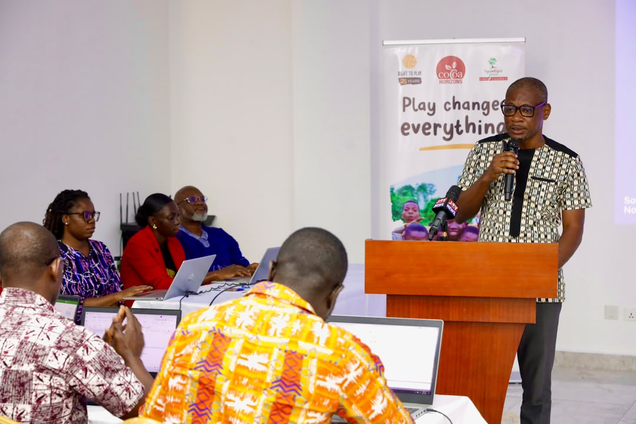
Project Manager of the My Life, My Rights project, Julius Kwami Tsatsu, said some schools were operating with significantly fewer teachers than required, forcing them to combine classes.
“There are some schools that are supposed to have nine teachers, including the head, a basic school. But we have only like two or three and classes are being put together for multigrading and it’s really appalling,” he said.
Mr Tsatsu said the teacher shortage was particularly severe in some underserved areas, where schools were struggling to meet the staffing levels required to provide effective teaching.
He said the situation was placing additional pressure on schools and making it difficult for them to provide the necessary support to children in vulnerable communities.
Distance remains a major barrier
The organisation also identified the distance between some satellite communities and the main settlements where schools are located as another challenge affecting children's access to education.
Head of Office at Right To Play Ghana, Harrison Akubor, said some children rescued from child labour lived in satellite communities several kilometres away from the main communities where schools were located.
“One of the key gaps has to do with the distance. In most of the communities that you are working with, we recognise that most of the children who are rescued come from the satellite communities, which are very, very far from the main communities,” he said.
Mr Akubor said the long distances made it difficult for some children to travel to school regularly, with implications for their attendance and continued participation in education.
He said Right To Play was working with education authorities to address the challenges, including the deployment of teachers to remote communities.
The organisation says addressing such barriers is particularly important for children who have been rescued from child labour and need sustained access to education and protection.
Children increasingly advocating for their rights
Despite the challenges, Right To Play says its interventions are helping children to better understand their rights and become advocates for themselves.
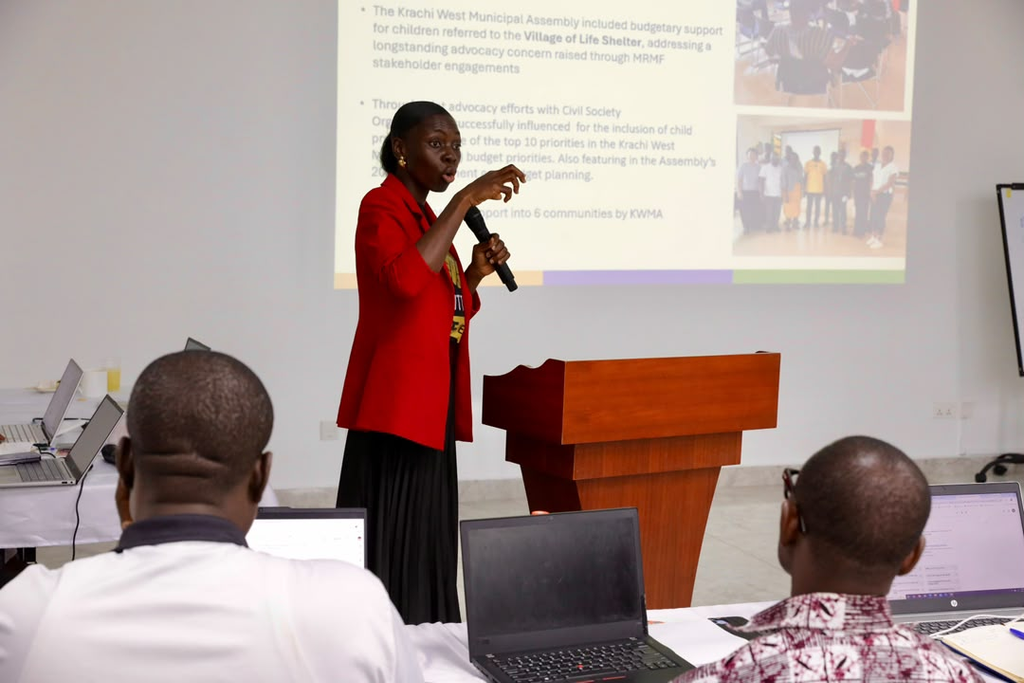
Project Manager of the My Rights, My Future project, Josephine Baffoe, said about 90 per cent of children reached by the project were now advocating for their own rights.
“We have made significant impact when it comes to children being advocates for their own rights, which is standing around 90 percent,” she said.
Ms Baffoe said the project was helping children to understand their rights and responsibilities while equipping them with the confidence and knowledge to speak up when those rights were violated.
She said empowering children to advocate for themselves formed an important part of efforts to protect them from exploitation and other forms of abuse.
Call for stronger child protection measures
Right To Play says strengthening community child protection structures, improving access to quality education and empowering children and their families remain critical to sustaining efforts to prevent child labour.
The organisation is therefore calling for stronger collaboration among communities, education authorities and child protection institutions to address the gaps identified through its monitoring activities.
It says improving teacher availability in underserved communities, reducing barriers to school attendance and strengthening local child protection systems will be essential to ensuring that vulnerable children remain in school and are protected from child labour.
Latest Stories
-
Galamsey activities redirect Mankran Stream, destroy farms, and threaten flooding in Okroase
2 minutes -
WiSTEM Ghana Camp assembles 320 girls to explore STEM education
2 minutes -
Russia launches heavy strikes at Ukraine, killing at least 20
3 minutes -
Freddie Blay accuses government of politically motivated demolitions targeting his family
9 minutes -
Ghana targets rice self-sufficiency by 2028 as government secures $18.8m AfDB grant
12 minutes -
Israelis mark three years since October 7 as Palestinians mourn Gaza’s destruction
15 minutes -
Support constitutional amendment to fix voting day on Tuesday – Asiedu Nketiah urges SDA Church
15 minutes -
‘It’s a systemic problem’ – All Black PRO dismisses Kurt’s resignation calls
21 minutes -
Vance says Iran must cut enrichment to end war
22 minutes -
Mahama orders sanctions for officials who fail to enforce building safety rules
23 minutes -
Court grants bail to banker accused of stealing GH¢1 million
28 minutes -
We have a winning team for 2028 – NPP Atwima Nwabiagya South Secretary
29 minutes -
Bono East Minister cracks whip on contractors over delayed 24-Hour Economy Market projects
32 minutes -
Zelensky condemns ‘vile’ large-scale Russian attacks that killed 15
35 minutes -
Trump to speak to Putin about plague lab worker’s death in Russia
35 minutes