

Audio By Carbonatix
Every year on October 15, the world pauses to recognize the invisible backbone of rural life, the women who rise before dawn, tend the fields, preserve the seeds, and hold their communities together.
International Rural Women's Day is not merely a celebration; it is a global call to action, a demand that the contributions of rural women be seen, valued, and supported. In Ghana, that call is ringing loudest on the streets of Fiaso in the Bono East Region.
A Legacy of Knowledge, A History of Dismissal
Rural women are the keepers of generations of traditional knowledge. Within their communities, they pass down expertise that is both ancient and essential: selecting crop varieties and seeds, predicting weather patterns, midwifery, weaving, cooking, and traditional medicine.
This is not simple labour. It involves complex knowledge and a deep scientific understanding of the natural world—an understanding that has been refined over centuries. But these practices are still dismissed as inferior knowledge in mainstream discourse, relegated to the margins while decisions about agriculture, land, and food systems are made elsewhere.
According to the Food and Agriculture Organization, women farmers worldwide continue to face unequal access to productive resources, including land, finance, technology, education, and extension services. If rural women had the same access to these resources as men, agricultural production could be increased and the number of hungry people reduced by 100-150 million.
Marching for Recognition
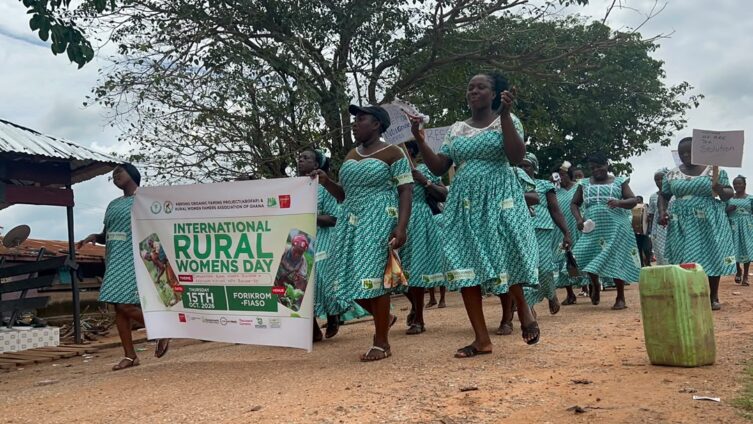
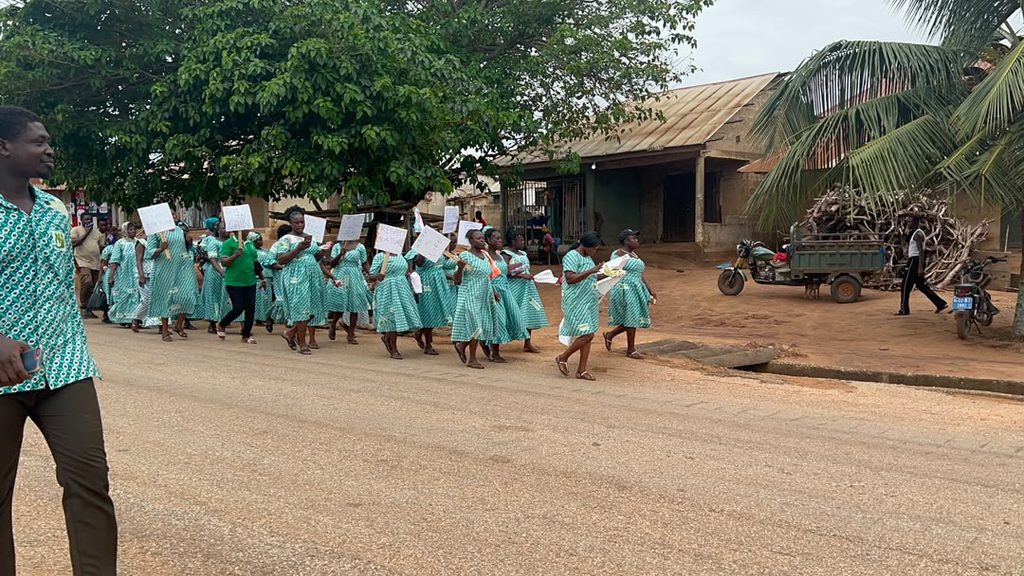
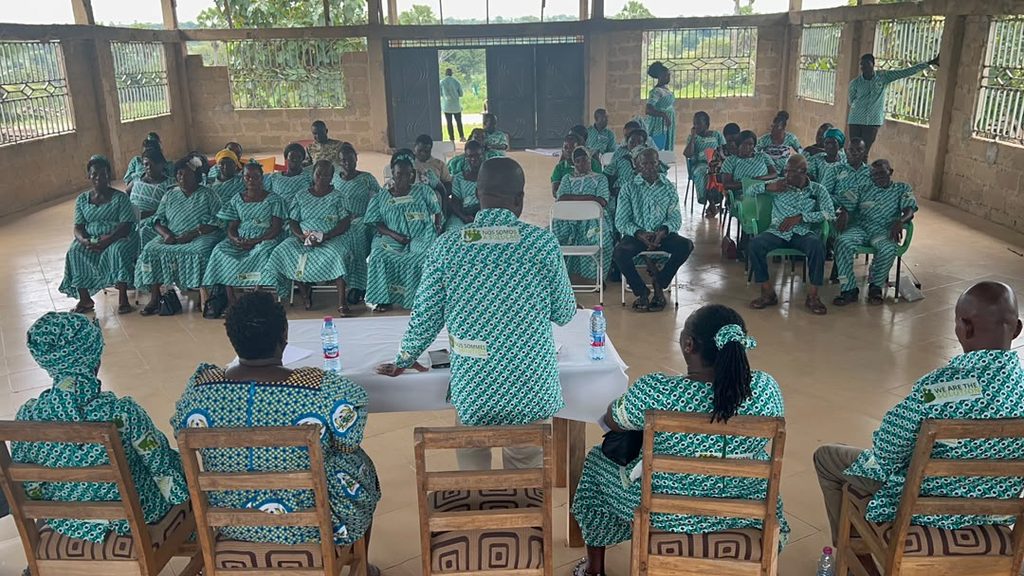
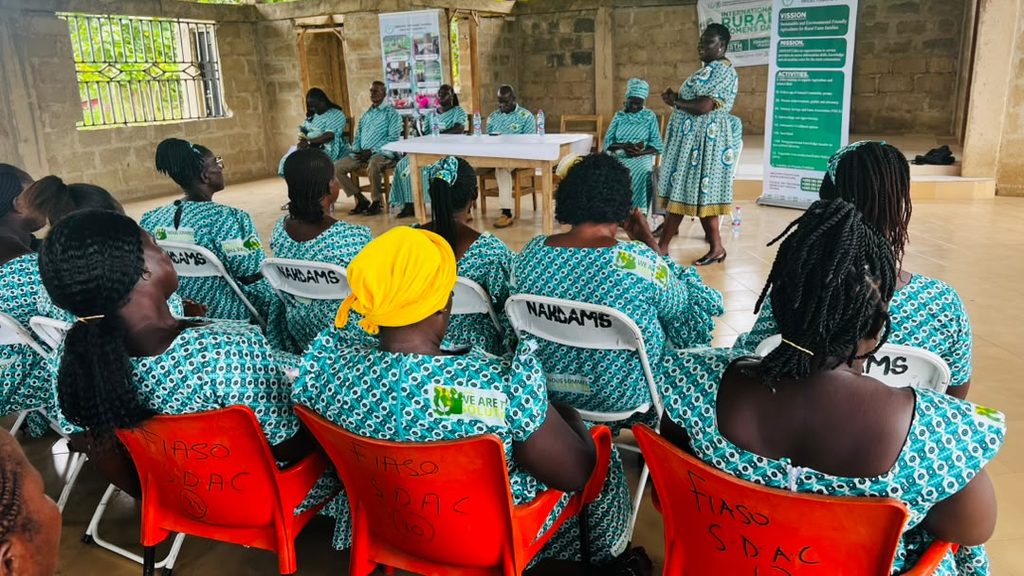
As Ghana joins the global community in marking International Rural Women's Day, members of the Abrono Organic Farming Project (ABOFAP) together with the Rural Women Farmers Association of Ghana (RUFAG) are marching on the streets of Fiaso in the Techiman Municipality of the Bono East Region.
The atmosphere is electric—drums beat, colourful fabrics swirl, and placards rise above the crowd. But beneath the celebration lies a serious message: the public must be sensitized about the importance of observing this day and, more importantly, about the urgent need to recognize and support rural women.
"We Are the Ones Conserving Seeds"
Esther Boakye Yiadom, Leader of the ABOFAP Women's Wing, speaks with quiet authority. For her, this day is about honouring the daily, often invisible work that rural women do to keep communities alive.
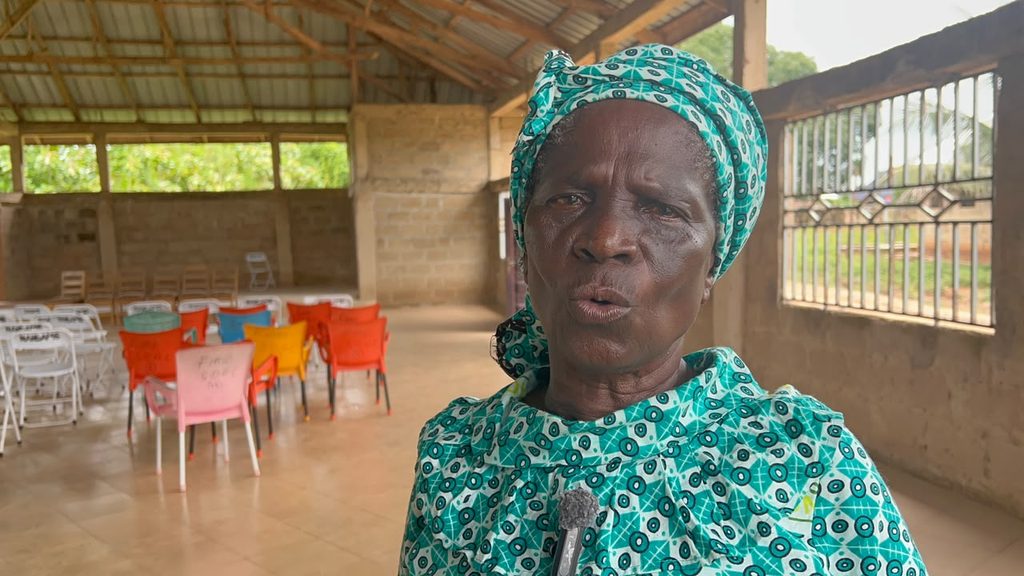
"We need to focus on honoring the daily work of rural women in seed conservation, protecting biodiversity, managing water, restoring land, and sustaining food systems."
Her words carry weight. In a country where food security is a national priority, rural women are on the front lines, yet they remain on the periphery of decision-making. UN Women has called on governments, financial institutions, businesses, and development partners to invest directly in rural women and remove barriers to their economic agency and environmental leadership.
A Call for Self-Empowerment
Ziem Evelyn, from Lawra in the Upper West Region and a member of RUFAG, has witnessed the neglect firsthand. She acknowledges that rural women have, over the years, not received enough support from authorities.
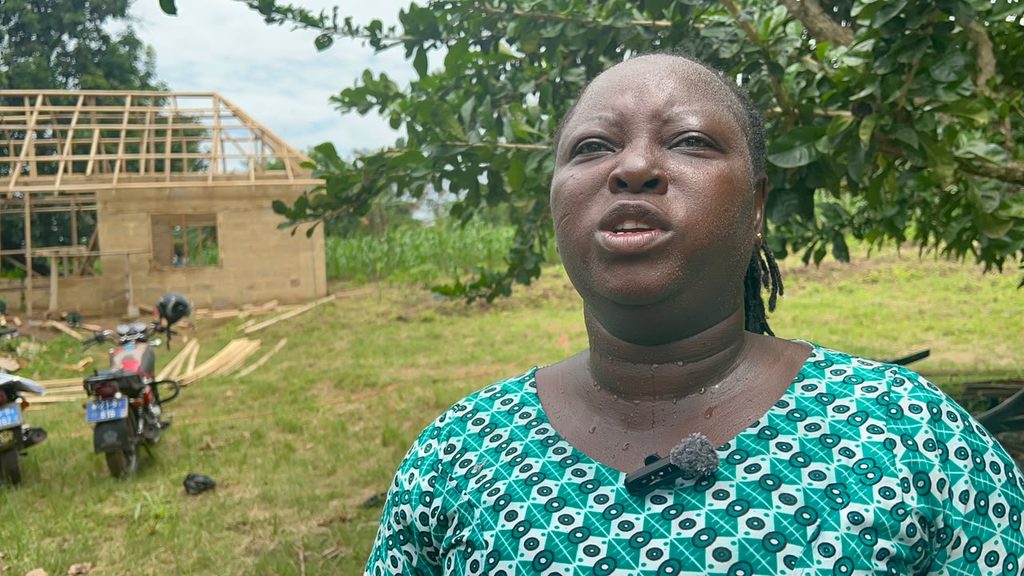
But rather than wait for change to come from above, she is urging rural women to take charge of their own destinies.
"We must work harder to push ourselves up," she admonishes.
Her message is one of resilience, a recognition that while systemic support is essential, the collective strength of rural women is a force that cannot be underestimated.
"Support Them Financially and Empower Them at All Levels"
Nana Kwao Adams, the Twafohene of Forikrom, speaks as an ally. For him, the contribution of women to rural life is enormous and demands both appreciation and tangible action.
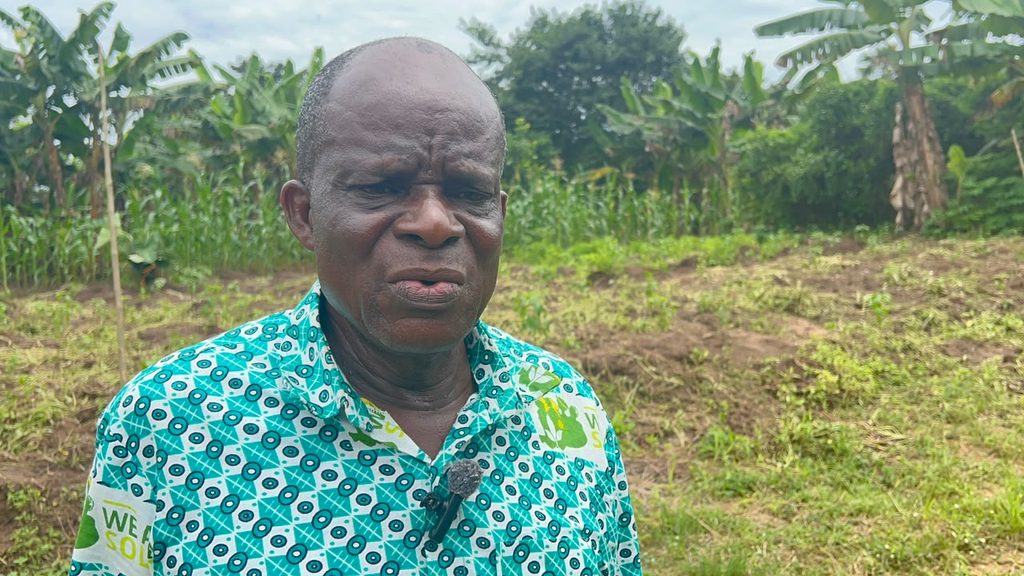
"We must support them financially and empower them at all levels," he says.
His words echo a growing consensus: recognition without resources is hollow. The 2026 observance comes during the International Year of the Woman Farmer, a United Nations-designated initiative that seeks to recognize women's contributions throughout agrifood systems while encouraging policies and investments that address the inequalities they face.
The Powerhouse We Cannot Ignore
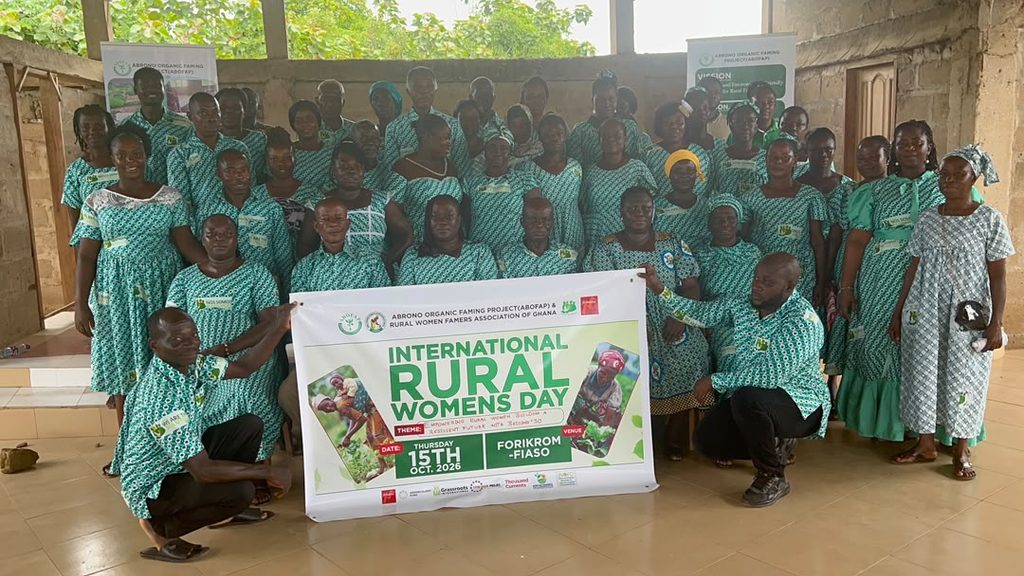
The march in Fiaso is more than a symbolic gesture. It is a reminder that rural women are not passive beneficiaries of development; they are its architects. They are scientists, conservationists, healers, and leaders.
As Ghana and the world observe International Rural Women's Day, the question is not whether rural women deserve recognition. It is whether the systems that have long ignored them are ready to change.
Because when you empower a rural woman, you don't just strengthen a village; you energize a nation.
Latest Stories
-
SSNIT intensifies informal sector enrolment drive with Techiman float
23 minutes -
Ghana seeks long-term mining investments that benefit local communities – Armah-Kofi Buah
30 minutes -
GHATOF demands compensation for 85 businesses affected by La Pleasure Beach demolition
35 minutes -
Bono Regional Minister calls for investor education to drive economic growth
39 minutes -
Ghana’s Ambassador to China, Kojo Bonsu, presents credentials to Nepalese President
43 minutes -
Fairtrade Africa’s Cocoa Hubs Project strengthens rural service centres in cocoa-growing communities
48 minutes -
MPs are not development officers – Edem Kpotosu
48 minutes -
SEC cautions investors against fraudulent investment schemes
50 minutes -
Land Ministry urges rCOMSDEP operators to reserve earnings for land reclamation
53 minutes -
Commercial drivers give authorities one week to clear traders from lorry terminals, bus stops
57 minutes -
Trump calls off livestream of Fort Hood attacker’s execution by firing squad
59 minutes -
Nana B denies claims that Kojo Bamba was his driver and bodyguard
1 hour -
Engage Now Africa to construct a 10-unit classroom block for struggling Navrongo Vocational Training Centre
2 hours -
One digital financial breach could expose linked accounts to fraud – Financial Crimes Manager
2 hours -
Ghana Russia Centre signs ICT cooperation agreement with Moscow University
2 hours