

Audio By Carbonatix
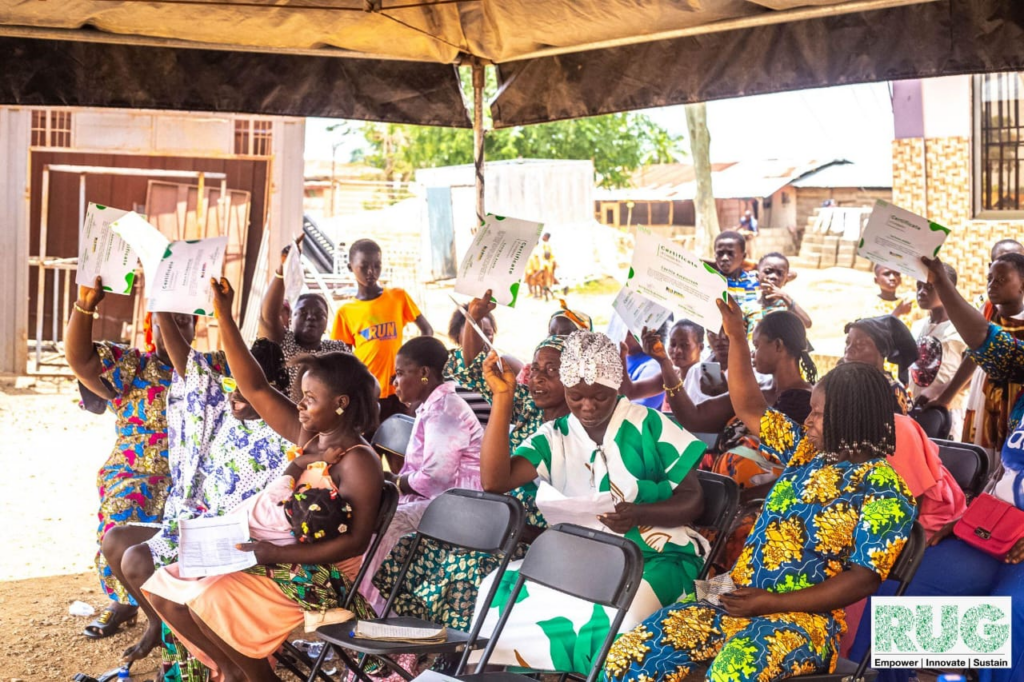
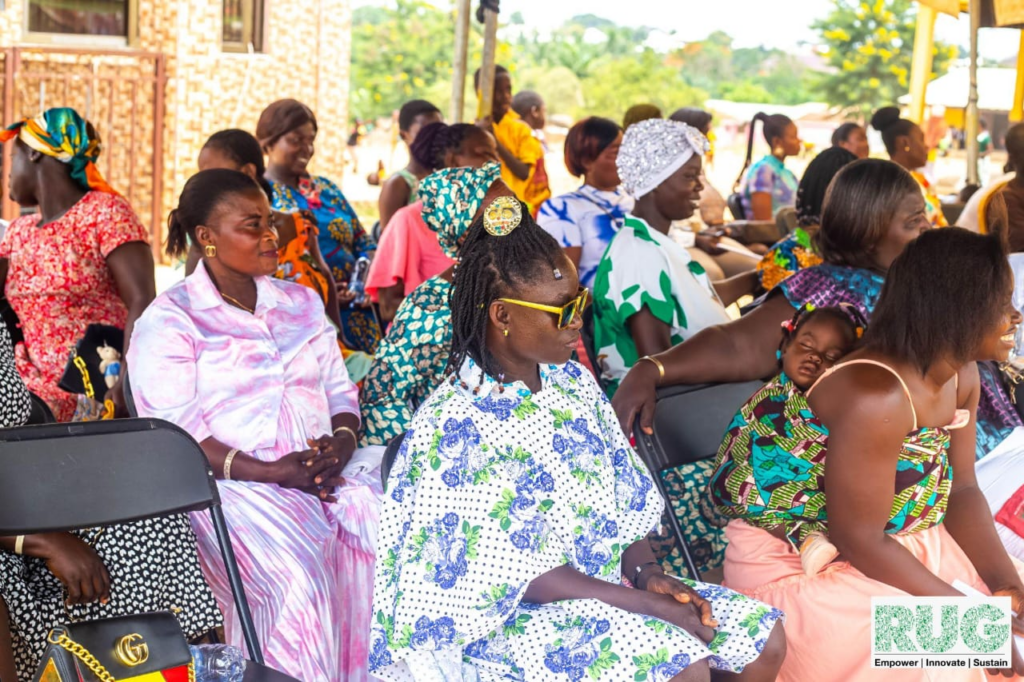
The community of Boamang-Kyerekrom in the Afigya Kwabre North District came alive on March 31, 2026, as 33 rural women graduated from the Community Green Economy Project (CGEP), a transformative initiative implemented by RUG Hub.
The programme has already begun to make a significant impact. During the ceremony, the Head of the District’s Business Advisory Centre announced that the vocational graduates would be selected to represent the community at the Ashanti Regional Expo, organised by the Ashanti Regional Minister, Dr Frank Amoakohene.
The recognition positions the women as emerging contributors to the region’s economic growth.
The ceremony marked the culmination of weeks of hands-on circular vocational and entrepreneurial training designed to equip rural women with practical skills to start and grow green micro-businesses.
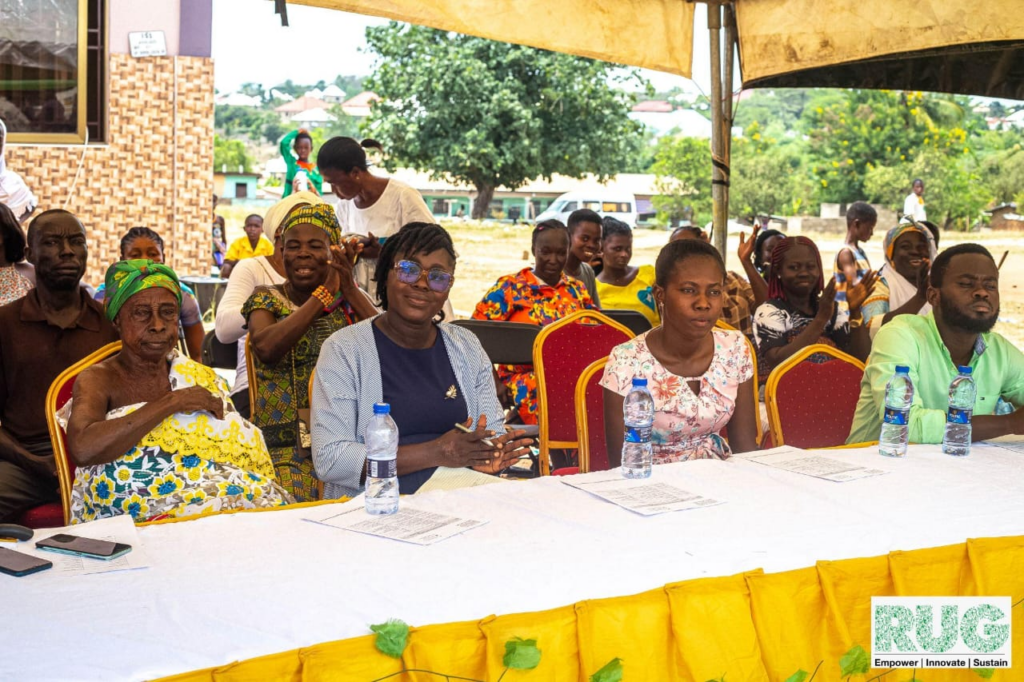
Community support was evident, as the Queen Mother, District Assembly Members, the Assemblyman and other local committee members gathered to celebrate the achievements of the graduates.
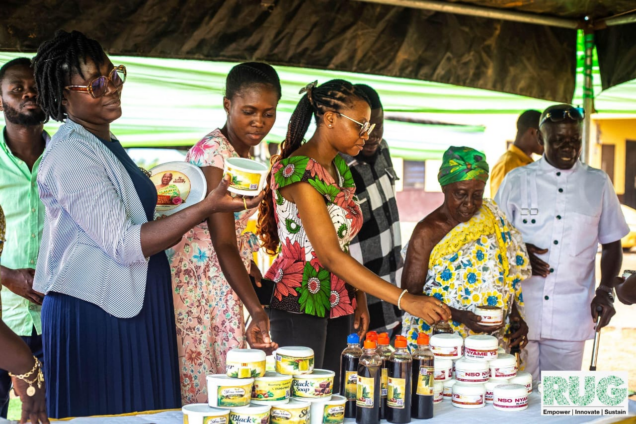
The event featured speeches by special guests, experience-sharing sessions by past and current beneficiaries, the presentation of certificates to all 33 graduates, exhibitions of green products produced by the women, and the distribution of asset support to help strengthen their businesses.
From seasonal labour to green entrepreneurship
Before joining the programme, many of the women were unemployed or underemployed, relying largely on seasonal farming and petty trading. Upon completion of the training, they transitioned into small business owners and potential job creators.
A key component of the project was circular vocational training, during which participants acquired practical skills in African black soap production with value addition, snail farming, and paper bag packaging.
This was complemented by soft skills training, including problem-solving and business management, to support the growth and sustainability of their enterprises.
Early signs of impact
Even before the official graduation ceremony, the impact of the project was evident, with 28 out of the 33 beneficiaries already establishing businesses, some operating in groups.

“We have been able to produce batches of the soap that surpassed our expectations,” said Adwoa Fordjour, a graduate of the project.
Another beneficiary, Akua Afriyie, highlighted the value of the investment made in their development.
“This project provided us valuable training and support without a single pesewa being taken from us,” she said.
The emerging businesses are expected not only to improve household incomes but also to create additional employment opportunities and support local economic development within the Afigya Kwabre North District.
Latest Stories
-
‘There is no competition’ – Justin Kodua confident of NPP General Secretary re-election
7 minutes -
J100 Accra Doubles Champions : Kolesolva/ Ndukwa, Agarwal/Patel seal title victories
9 minutes -
Sydney Wright crowned J100 Accra Champion
13 minutes -
J100 Accra Boys’ Singles: Verma denies Beckles back-to-back titles to claim crown
16 minutes -
Two friends fined GH¢12,000 for stealing
22 minutes -
Son jailed for threatening to stab mother
37 minutes -
Drive constitutional reform – GJA urges journalists
59 minutes -
NPP Delagates Congress: Confusion delays voting at Ashanti Region TESCON centre
2 hours -
Fire ravages shops, houses near Koforidua Central Police Station
2 hours -
NPP Delegates conference: The wisdom of the masses will prevail – Napo
3 hours -
Flydubai co-pilot attacked captain with axe, UAE official says
3 hours -
NPP Bosome Freho Constituency Chairman reportedly arrested over ballot paper incident
3 hours -
Medical plane with 6 on board missing off Massachusetts coast
3 hours -
Bolt driver jailed 25 years for robbing beautician
3 hours -
Happy 76th Birthday to the Daily Graphic!
3 hours