

Audio By Carbonatix
In a bid to promote healthier lifestyles and enhance nutrition across the continent, African journalists have been advised to promote locally made and grown foods.
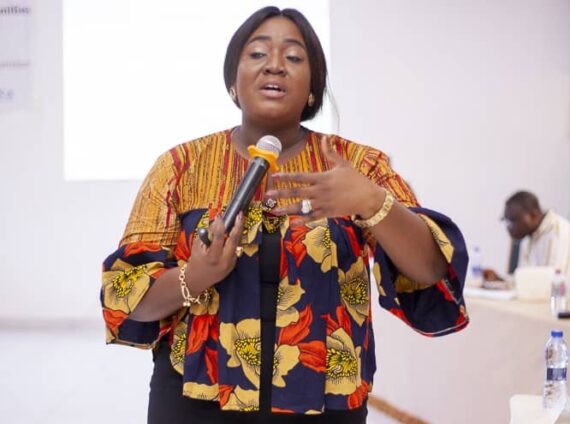
This call to action came from Mrs Catherine Adu-Asare Adzaho, the Programmes Manager for the Diet and Healthy Life Programme at the Ghana Health Service, during a specialized media training workshop on nutrition held in Ho.
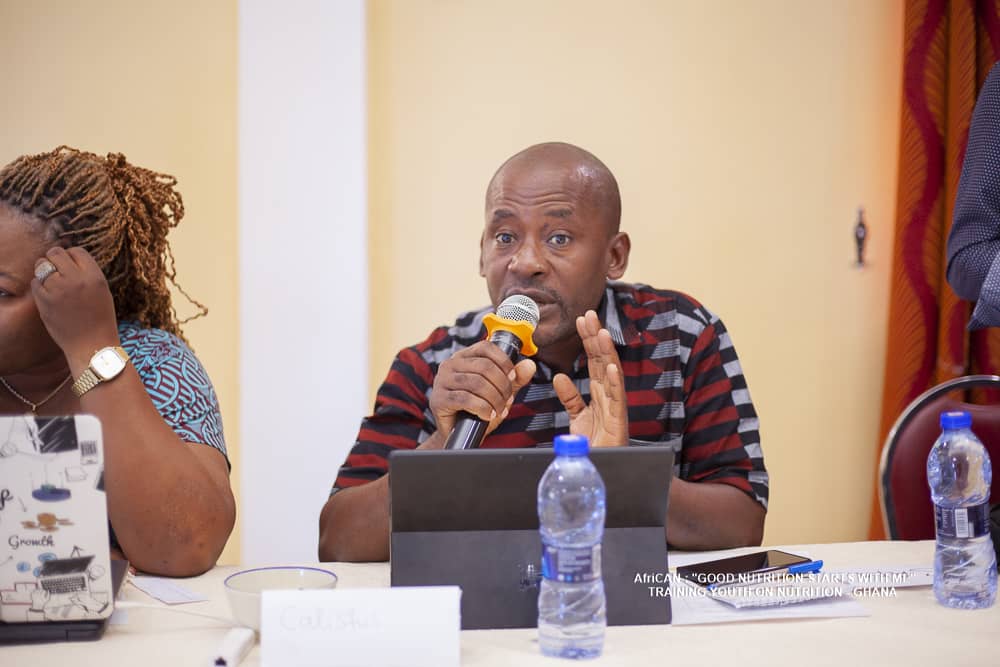
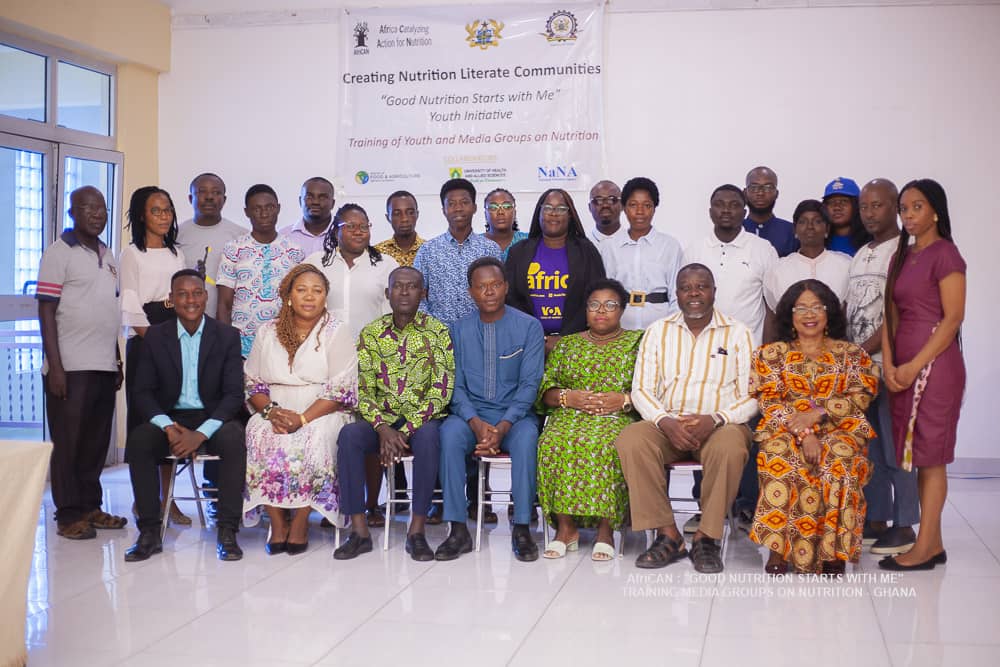
The workshop, which drew journalists from various media houses across Africa, highlighted the crucial role that the media plays in influencing public perceptions and behaviours towards food choices.
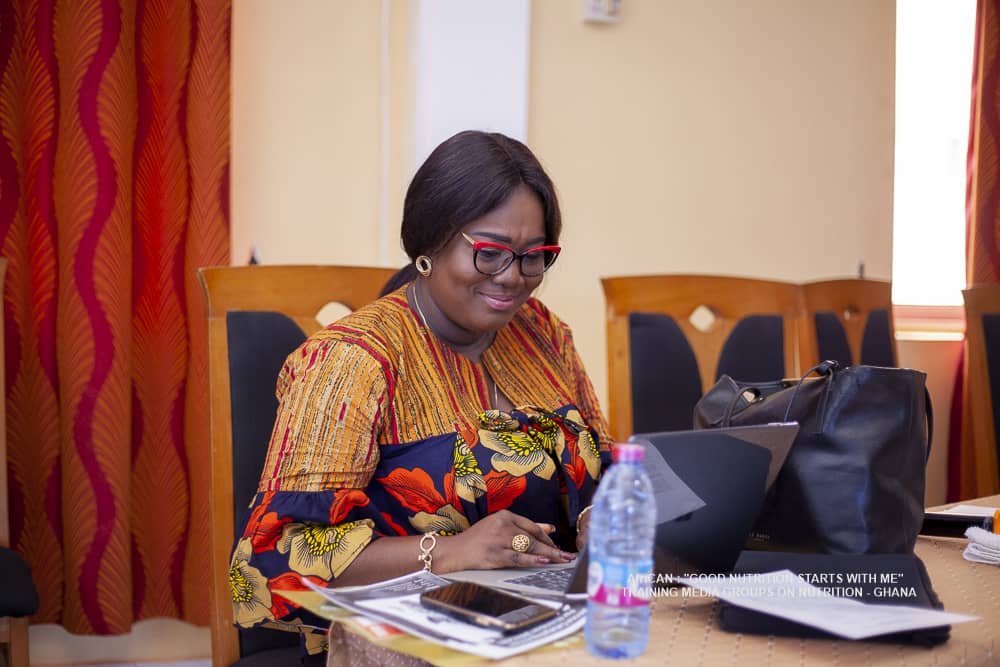
Mrs Adu-Asare Adzaho emphasised that by promoting locally made and grown foods, journalists can significantly contribute to improving the health and well-being of communities.
"African journalists have a unique opportunity to shape narratives around nutrition and health," stated Mrs Adu-Asare Adzaho. "By showcasing the nutritional value and benefits of locally sourced foods, we can encourage individuals and families to embrace these options for a healthier lifestyle."
The Programmes Manager highlighted the rich diversity of traditional African diets, noting that they often contain a wide array of essential nutrients vital for good health.
From leafy greens to indigenous grains and fruits, these foods provide a wealth of vitamins, minerals, and antioxidants necessary for robust immunity and overall well-being.
"Unfortunately, there has been a shift towards more processed and imported foods, which are often less nutritious and can contribute to the rise of non-communicable diseases," Mrs Adu-Asare Adzaho explained. "Through informed reporting and storytelling, journalists can help rekindle an appreciation for our local food heritage."
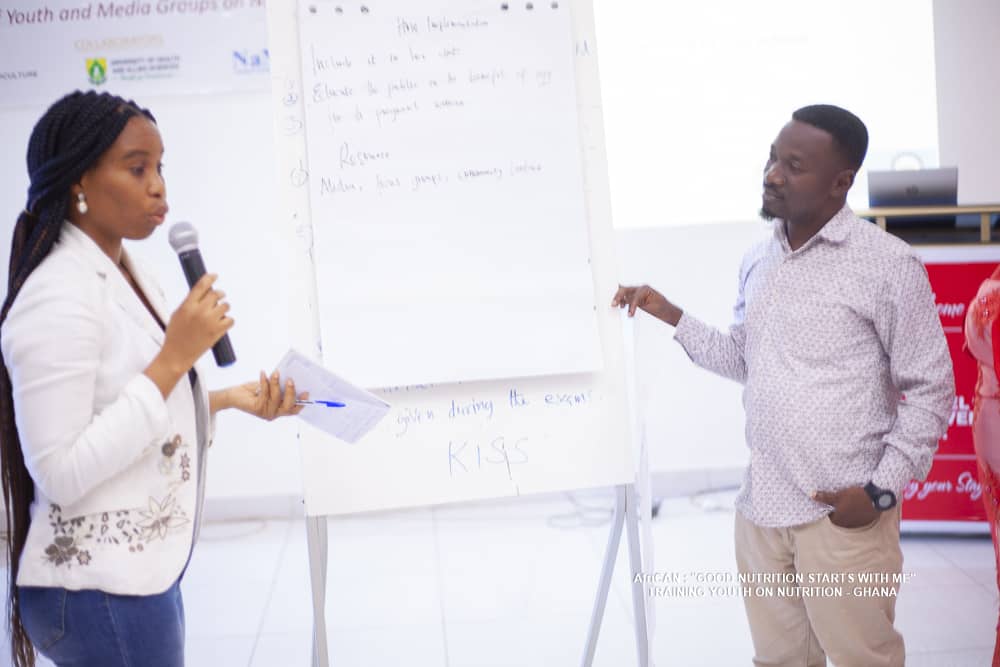
During the workshop, journalists were equipped with tools and resources to effectively communicate the importance of local foods. Strategies such as featuring success stories of individuals or communities benefiting from traditional diets, conducting interviews with nutrition experts, and debunking myths about local foods were discussed.
In addition to health benefits, the promotion of locally made and grown foods also aligns with broader sustainability goals. Supporting local farmers and food producers not only boosts local economies but also reduces the carbon footprint associated with importing food over long distances.
The media training workshop in Ho served as a platform for journalists to network, share best practices, and brainstorm innovative ways to engage audiences on nutrition-related topics.
As African nations strive to address the double burden of malnutrition, with both under-nutrition and rising obesity rates, the role of the media becomes increasingly pivotal.
In closing, Mrs Adu-Asare Adzaho urged journalists to consider themselves as agents of change in the fight against malnutrition and the promotion of healthier lifestyles. "Together, we can harness the power of storytelling to inspire a renewed love for our local foods and pave the way towards a healthier Africa," she concluded.
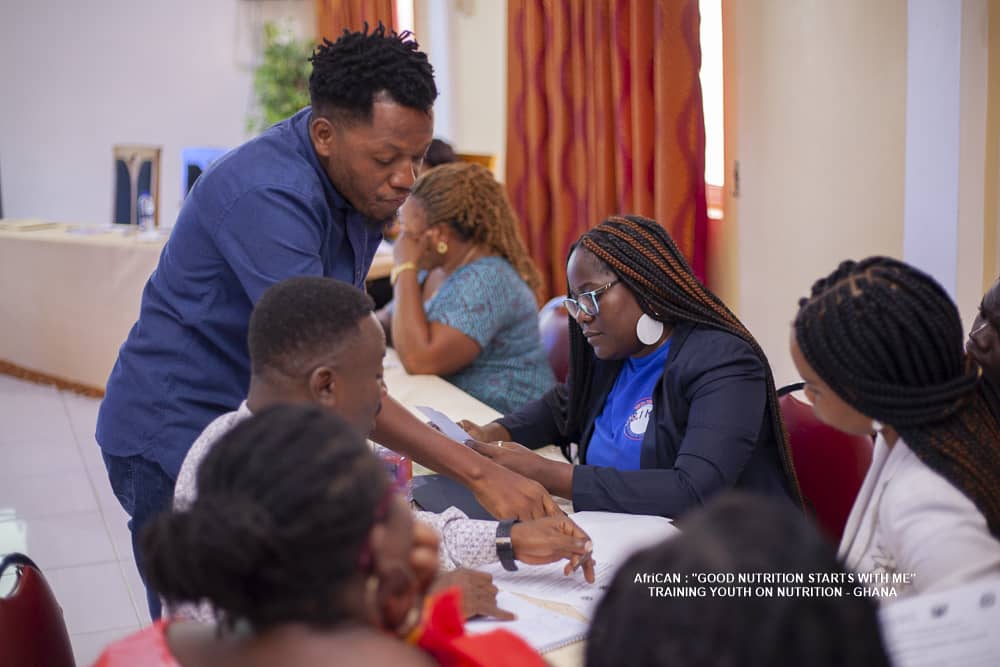
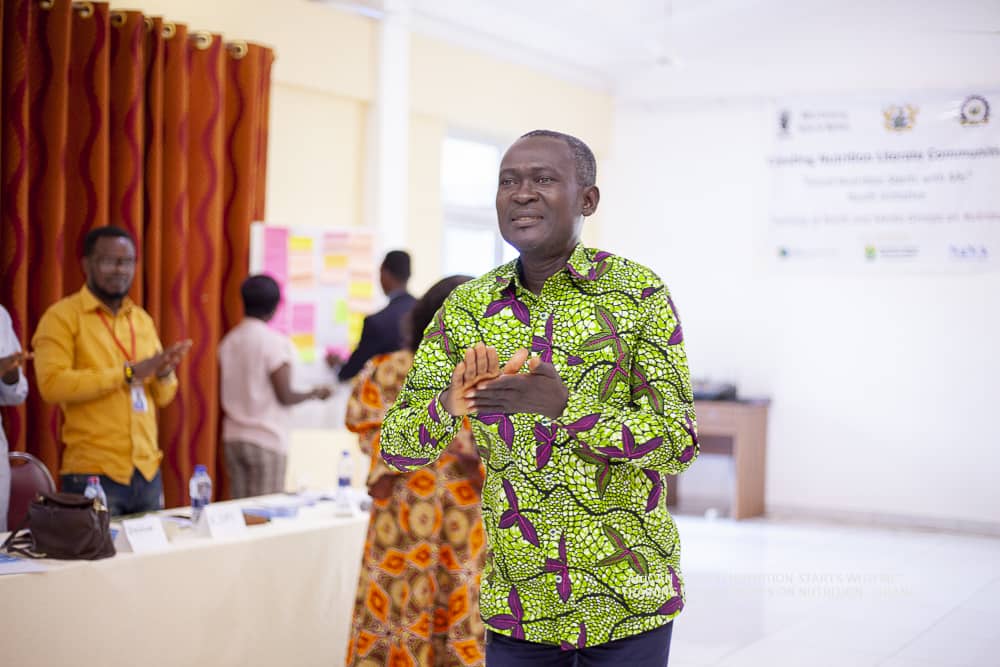
The workshop ended with a renewed sense of purpose among the journalists, committed to using their platforms to champion the cause of local foods and nutrition for the well-being of African communities.
Before the workshop, journalists were taken through a short test to assess their knowledge and after the workshop, the same thing was done.
Bright Boakye Attah Junior, a data analyst revealed that journalists improved their knowledge after the workshop which shows that they can confidently educate the public on good nutrition.
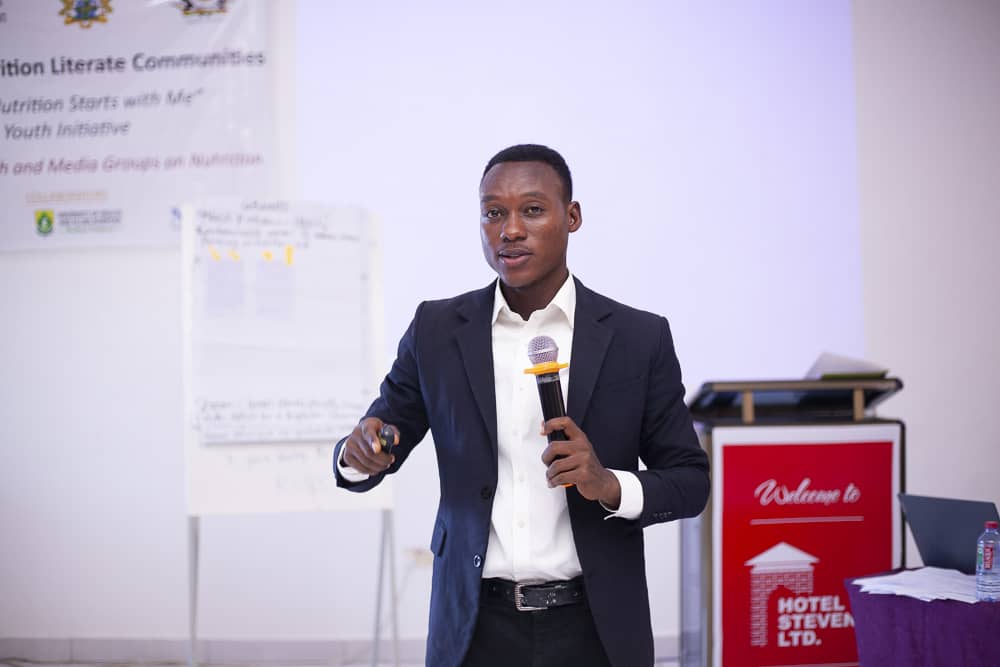
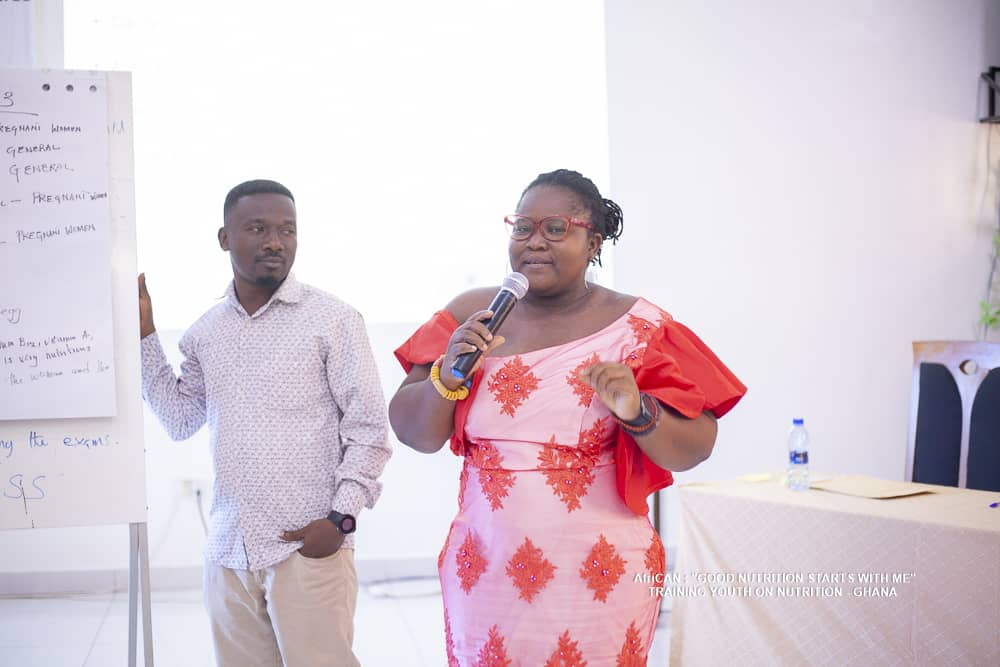
A nutritionist, Roselyn Delali Asjgbui took the journalists through food production, processing, and preservation while Nutifafa Glover and Solace Makafui Tamekloe also took their turns to share very important topics with the journalists.
Latest Stories
-
Government rejects ‘Cocaine Coast’ label, says drug busts show security agencies are working
1 hour -
Banks NPL ratio of 16.1% is still too high – S&P
1 hour -
US death row inmate Christa Pike taken to hospital after surviving two lethal injections, says lawyer
2 hours -
Japan raises residency fee for foreign nationals by twenty-fold
2 hours -
Nollywood actor CJay Nwoks dies in Lagos hospital
2 hours -
Guidelines, regulations of cryptocurrency in Ghana fall short of comprehensive oversight – IMF
2 hours -
Don’t stand and just criticise, propose solutions – RMD urges Nigerians
2 hours -
I didn’t want to be in the spotlight – Tems
2 hours -
COCOBOD’S GH¢16.3bn SPV: Real progress toward a sustainable cocoa sector
2 hours -
Morocco appoints first woman head of government, El Mansouri vows to meet citizens’ expectations
4 hours -
King Mohammed VI appoints Fatima Ezzahra El Mansouri as Morocco’s new head of government
4 hours -
Impossible for England to find another Kane – Tuchel
4 hours -
Ghana lose Morocco friendly as Atlas Lions turn to Mali
4 hours -
Burnham ‘really concerned’ if Man City owners sell up after rule breaches
4 hours -
2026/2027 GPL: Kelvin Nkrumah strike sends Medeama top of league table
4 hours