


Audio By Carbonatix
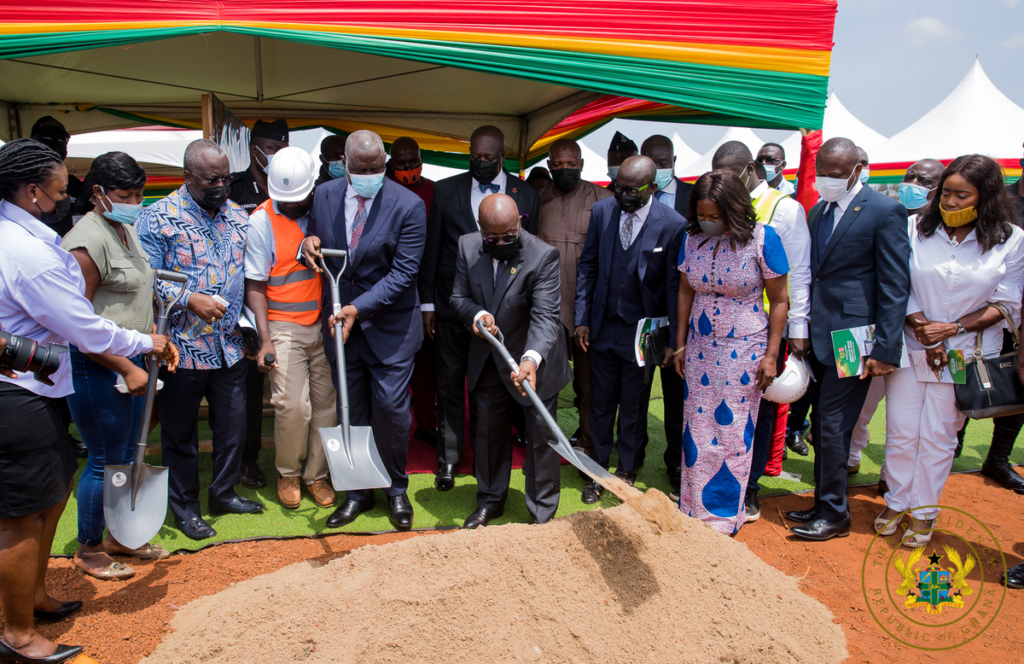
President Akufo-Addo on Wednesday, May 26, cut the sod for the construction of phase one of the Law School Village, at a ceremony at the Academic Enclave, near the University of Ghana Business School.
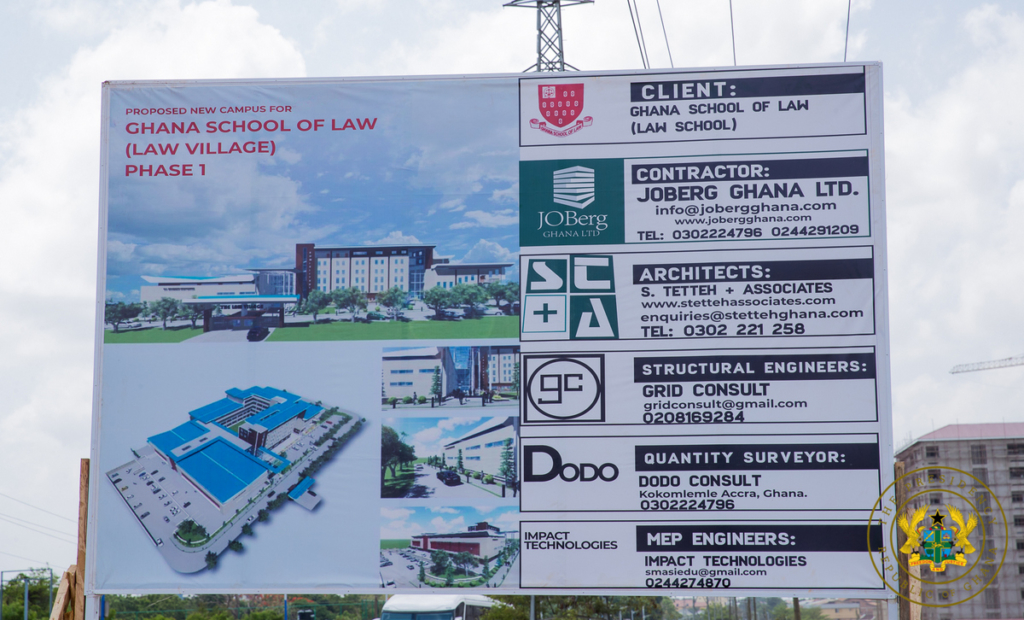
The Law School Village belongs to the Ghana Law School. The entire project, according to the President, will cost $55 million, with phase one complementing the facilities of the Accra Main Campus located at Makola, at a cost of $4 million.
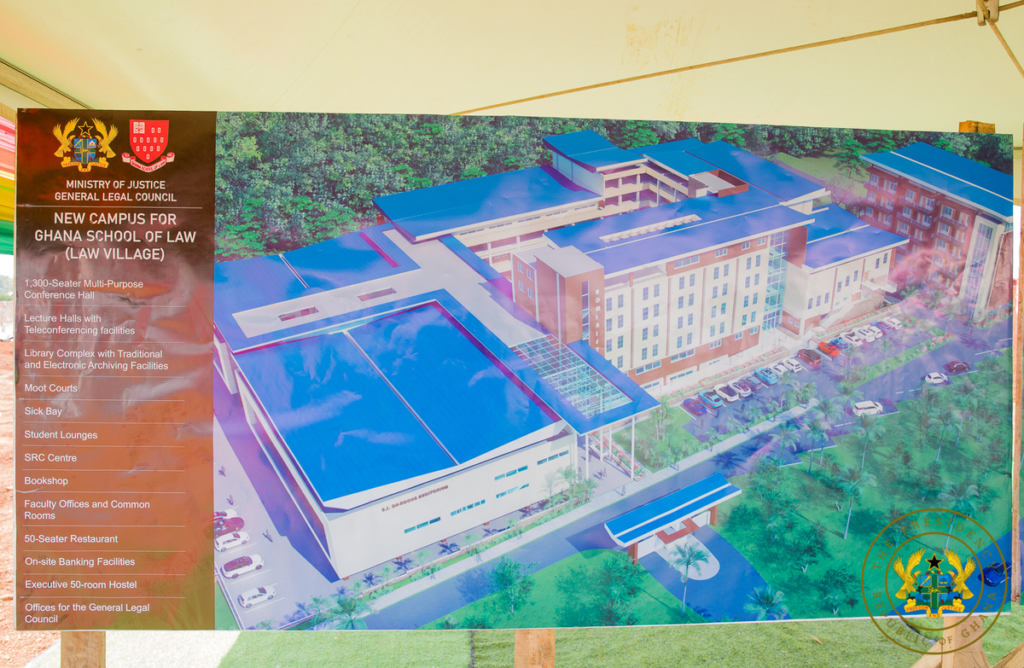
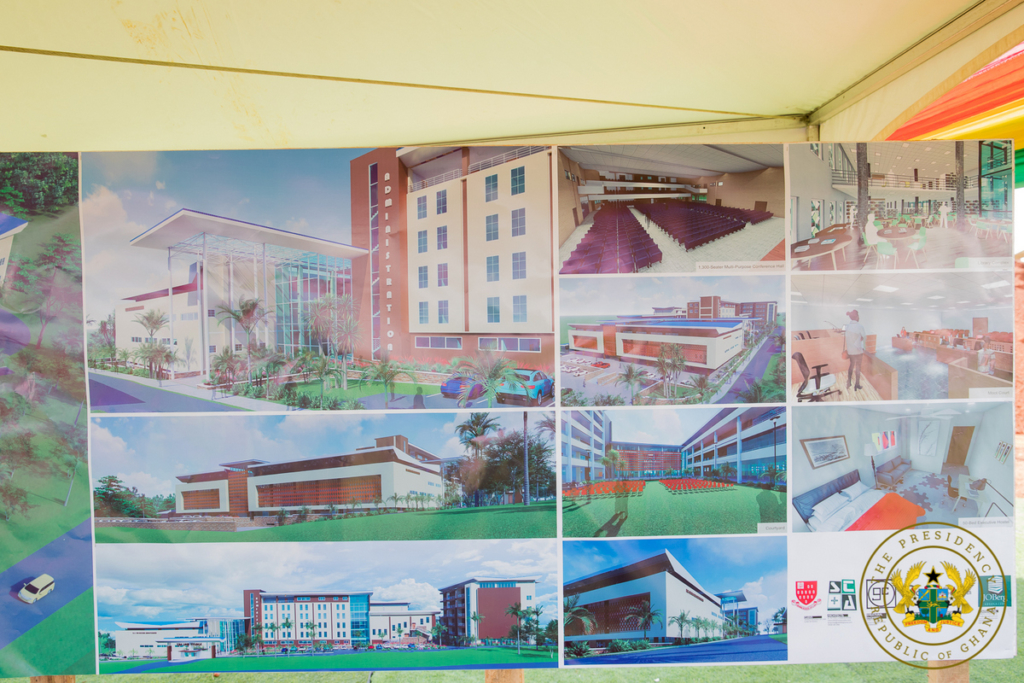
“Once completed, the Law School Village, will boast of an additional seating capacity of 1,500 seats, several lecture halls, a well-resourced library, residential facilities, offices, amongst others,” he added.
The Ghana School of Law is the nation’s sole institution that is responsible for professional legal education. It is responsible for training eligible persons as lawyers and integrating them into the legal system. President Akufo-Addo is therefore delighted that the project has commenced under his Presidency.
“I have been reliably informed that some one thousand (1,000) students were admitted during the 2020/2021 academic year, a development which led to the Acting Director and Management of the School taking a cue from the double track system, initiated in our Senior High Schools, to introduce a triple track system,” he said.
The President continued, “with the 2021/2022 academic year fast approaching, the School is, again, faced with limited and overstretched facilities, hence the added importance of this Project”.
The President was expectant that the completion of the Law School Village project will expand access to legal education, without compromising on its quality, and, ultimately, assist in the administration of justice throughout the country.
“As many more lawyers are trained, it is my hope that, indeed, many more of them will join the public sector to enhance the quality of legal service delivery in the sector.
"I assure all of you that this project is the beginning of greater things to come for the Ghana School of Law. Government’s commitment to leaving a lasting legacy in professional legal education in Ghana is absolute,” he added.
Project Brief
The project is to address the challenges of overwhelmed and outdated facilities and traffic congestion, amongst others, faced at the present location of the main campus at Makola in Accra.
The new campus will provide the following: a state of the art one thousand, 300-seater multi-purpose conference hall; 2 lecture halls with teleconferencing facilities; 2 No. 500-seater lecture theatres; 15 No. lecture rooms of 40-seater capacity each; a modern library; sick bay, student lounges, amongst others.
It will also house an SRC Centre, a 50-unit office facility for faculty and administration; a 50-seater restaurant; reading rooms; and general stores of the Law School.
Latest Stories
-
Tiptoe Lane’s tech takeover: The story behind Ghana’s booming informal phone market
2 minutes -
Abanga vows to use social media to counter NDC messaging ahead of 2028 elections
4 minutes -
Okai Mintah seeks Sabah Zita Benson’s support for NDC National Youth Organiser bid
18 minutes -
Okai Mintah vows to strengthen NDC campaign machinery ahead of 2028
24 minutes -
Mother of four and Jasikan teacher among new Telecel M’ahitti Promo winners
25 minutes -
International Youth Shakers Conclave 2026 set to bring global young leaders to London
26 minutes -
Gov’t is committed to addressing teachers’ conditions of service, deprived-area allowance – Education Minister
30 minutes -
GoldBod’s structure encouraging galamsey – Afenyo-Markin
32 minutes -
Tullow starts selling Jubilee, TEN crude to Ghanaian refineries
34 minutes -
Local Government Service authorises rationalisation, redistribution of staff
37 minutes -
PURC assures consumers of working to ensure quality services in Northern Region
43 minutes -
Ghana develops US$4.28bn water financing framework
50 minutes -
Christian Council calls for protection of mission schools’ religious identity
57 minutes -
Mahama holds discussions with India’s External Affairs Minister
1 hour -
Even when you cough, they come after you — Abanga accuses Mahama govt of criminalising free speech
1 hour