

Audio By Carbonatix
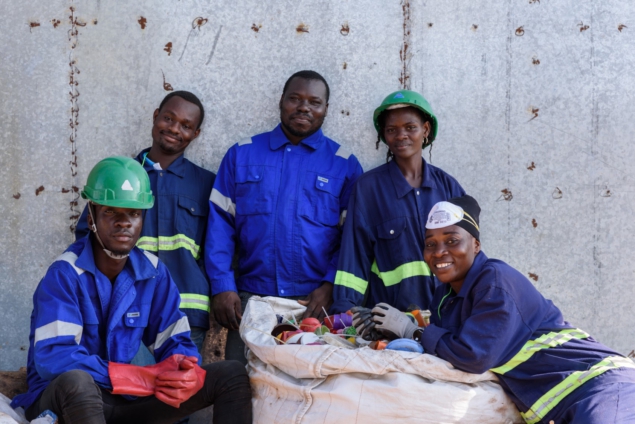
The Alliance to End Plastic Waste (the Alliance) has partnered the ASASE Foundation to support women entrepreneurs working to reduce plastic litter in communities.
The initiative called 'Closing the Loop' uses a circular economy model, to enable local communities to benefit from discarded plastic waste by collecting, reprocessing, and reselling it.
Closing the Loop kicks off the Alliance’s support for projects based in Africa.
It was first launched by ASASE in 2018 to provide seed money to equip a plastic waste reprocessing plant as well as provide technical and business management training to women entrepreneurs to run the recycling plant for profit.
The project has already created eight jobs within the community as well as diverted 35 (metric) tons of plastic from waste in the first twelve months.
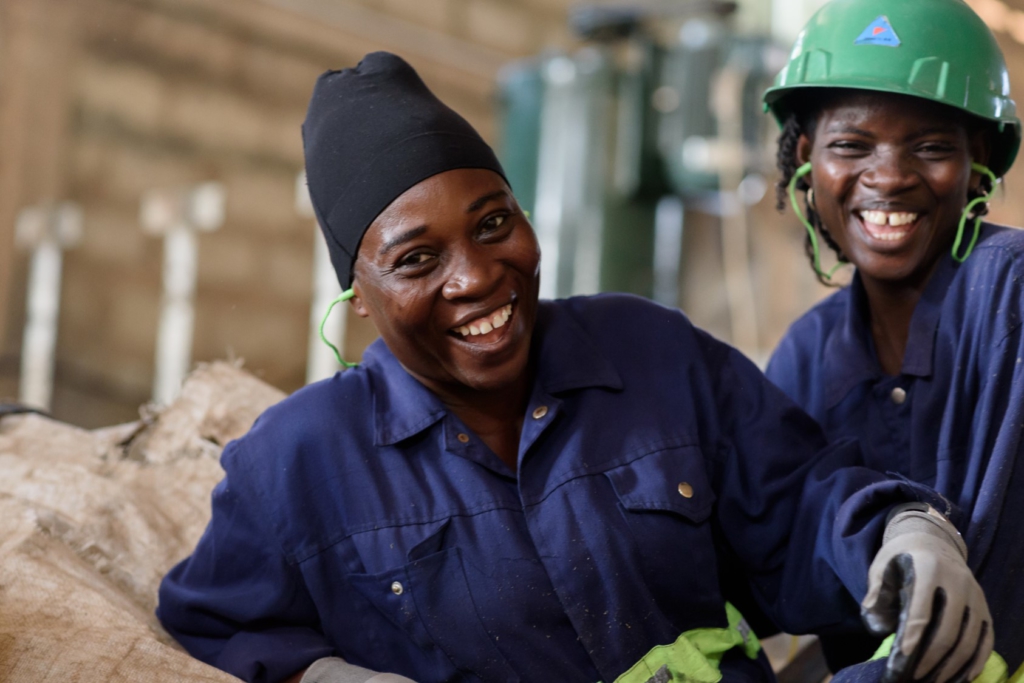
By partnering with the Alliance, the capacity of the reprocessing plant will increase to divert 2,000 (metric) tons of plastic waste per year and create even more jobs.
“A key pillar of ending plastic waste in the environment is the sustainable impact it will bring to the well-being of local communities.
This is why our partnership with ASASE isespecially meaningful because Closing the Loop is the right step towards a circular economy model.
"It directly benefits those living in areas which don’t have access to plastic waste collection and sorting systems.
"This initiative is a simple but scalable action that benefits the environment but supports the inspiring women of Ghana who are building their communities on the path towards ending plastic waste in the environment,” said Jacob Duer, President and CEO, Alliance to End Plastic Waste.
Dana Mosora, founder and Managing Director of ASASE Foundation said, “What we value most in our partnership with the Alliance to End Plastic Waste is the access to the expertise in waste management which we can leverage now in our project, effectively multiplying the impact of the funding provided by the Alliance to our project.”
The partnership has also opened the possibility to bring in expertise from an academic partner, the Swiss Federal Institute of Technology.
This will be in areas such as developing new end market applications and developing the concept of a new financing system for the management of plastic waste in Ghana.
The recycling plant processes a range of plastic waste from water sachets (LDPE) to shampoo and detergent bottles (HDPE)and large cooking oil containers (HDPE), converting it into regrinds.
The regrinds are then sold to recyclers to make items such as pavement blocks, sheets for construction, basins and liners, most of which goes back into the community.
Latest Stories
-
Ashanti Region: 5-month-old baby stolen at Asafo Market, police launch manhunt
5 seconds -
Forklift kills roadside pawpaw seller at Asokwa Brewery
6 minutes -
When market traders want to lose weight: What are they doing and who are they listening to?
31 minutes -
‘I made the decision for him’ – Adebayor on Senaya representing Ghana
57 minutes -
Livestream: Ecobank-Joynews financial dialogue series
1 hour -
AFCON 2027Q: Ghana faces ‘difficult’ Ivory Coast clash without Kudus – Adebayor
1 hour -
Daily Insight for CEOs: Understanding the Competitive Landscape
1 hour -
IFC partners with Absa Bank Ghana and Complete Farmer to expand agricultural finance in Ghana
2 hours -
The thing that transforms An Image into Art is The Point of View
2 hours -
Mahama: Ghana’s health reset will prioritise local drug production
2 hours -
Mahama lists maternal and child health as first test of Accra Reset
2 hours -
Beyond the GH¢500b Target: A legislative blueprint to protect Ghana’s workforce (Part 2)
2 hours -
Alan Kyerematen explains why he contested 2024 election under Movement for Change
2 hours -
+233 to host Pat Thomas’ 80th birthday concert
3 hours -
EPA warns climate resilience plans face $22.6bn financing demand
3 hours