

Audio By Carbonatix
The Allied Health Professions Council is clamping down on unlicensed health practitioners and health facilities with expired licences in efforts to ensure public safety.
The council warns that violators will face consequences, including the closure of their facilities for non-compliance.
Facility managers are also tasked with enforcing oversight of professionals allowed to provide services to patients.

Across the country, healthcare providers in diagnostic, preventive, therapeutic, and rehabilitative areas are mandated to conduct their services with appropriate authorisation by the governing professional body, the Allied Health Professions Council.
However, some therapists, radiographers, medical laboratory technicians, dietitians, and pharmacists continue to work on the blind side of the council, without licences.
Acting Registrar of the Allied Health Professions Council, Daniel Atta-Nyarko, has cautioned against non-compliance with standard practice.
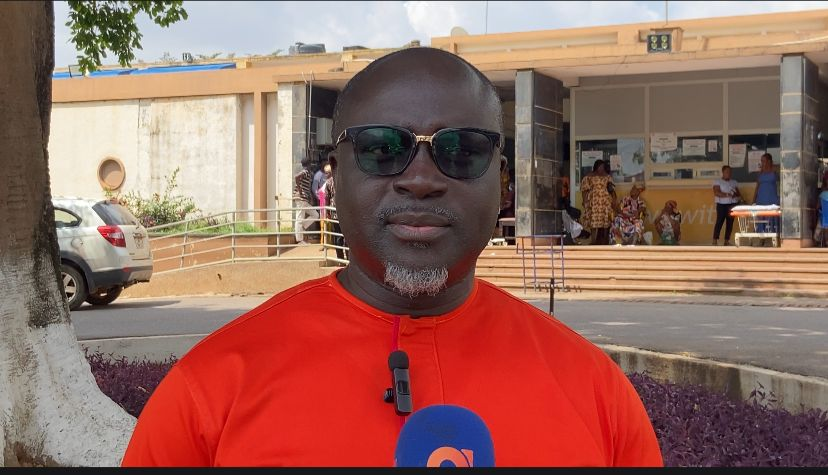
“This is a caution; members and people working in the allied health professional areas without a licence or an expired licence, we are coming and we will close the facility. We have an office at SSNIT in Kumasi, and you can register or renew your PIN.
“We have conducted some assessment and inspection, and we sounded a caution. This time, we are being strict and brutal. We entreat facilities and management to provide oversight over their staff and ensure they are from a credible membership,” he said.
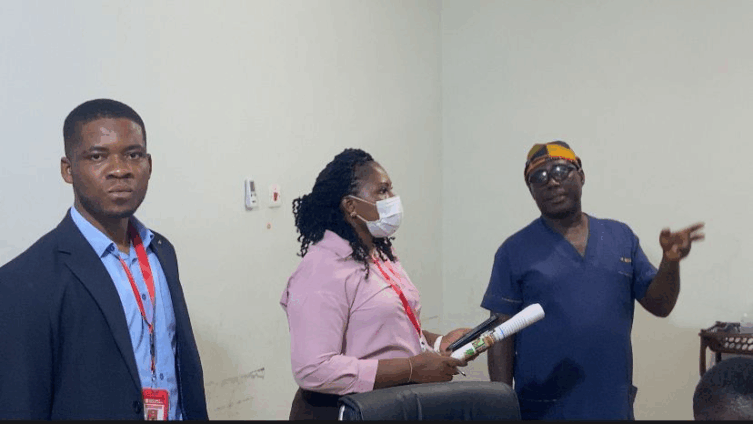
Experts from physiotherapy, optometry, occupational therapy, podiatry and virtual dietetic services joined the Allied Health Professions Council in their monitoring and inspection exercise in Kumasi.
The aim is to instil standard practice and ensure patients' safety.
Daniel Atta-Nyarko explained that the exercise will ensure members provide essential care with diligence.
He says the Council will not renege on its supervisory mandate.
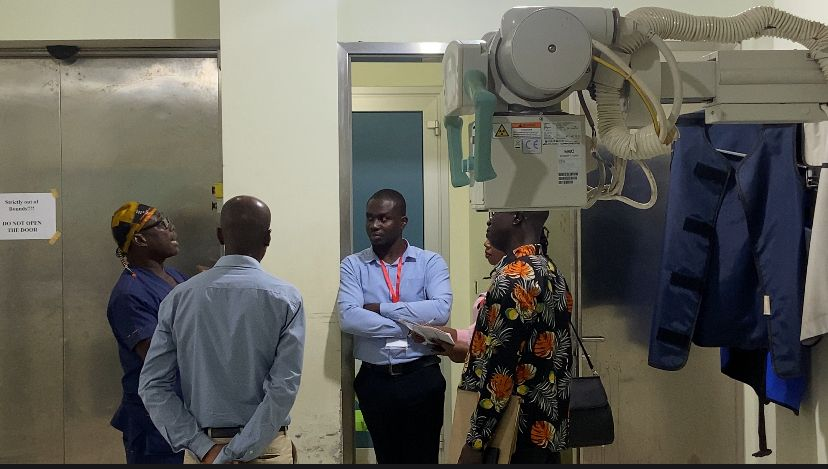
“As a regulatory body, it is our mandate to ensure public safety. We are here to look at our members working in public spaces to ascertain if they are in good standing within our standards to ensure that safe services are being provided.
“We have gone beyond whether they have licences. We have involved professionals in the various skills they are working on. So aside from the licence, we checked if what they are doing is the standard service,“ he said.
Latest Stories
-
Power restoration fault suspected in Kumasi Central Market fire
17 minutes -
The 7-foot giant of Ngleshie Amanfro: Seven-foot Ghanaian Ephraim Saawa dreams of joining the national basketball team
55 minutes -
Government promises support for Kumasi Central Market fire victims
1 hour -
Vibes The Movie: Big Ghun’s Ghanaian film earns five nominations at 2026 REFFA
2 hours -
MamaCare CEO warns unresolved conflicts among health workers could undermine maternal and neonatal care
2 hours -
Health professionals urged to translate medical knowledge into practice to save mothers
2 hours -
Conflicts among care providers linked to maternal, neonatal deaths – Expert
4 hours -
GIS marks 10th TIME conference, champions improved teaching practices
4 hours -
BRICS Or Balance? What Ghana’s bid really means
4 hours -
GPRTU wants full TRAFFITECH-GH implementation to start in 2027
4 hours -
Mahama announces plans to import electric wheelchairs for PWDs
5 hours -
KGL U17 Colts 2026: Western beat Prempeh Elite Academy to set up final final with Greater Accra Region
5 hours -
Late Solanke strike salvages 10-man Spurs draw at Man United
5 hours -
Gender Ministry to monitor welfare of Nana Akua Addo’s children amid domestic violence case
5 hours -
Benedict Okyere Yeboah: Ghana’s football problem goes beyond sacking a coach
5 hours