

Audio By Carbonatix
As artificial intelligence transforms how people learn, work and communicate, language experts in Ghana are warning that technology alone cannot safeguard the country's cultural identity.
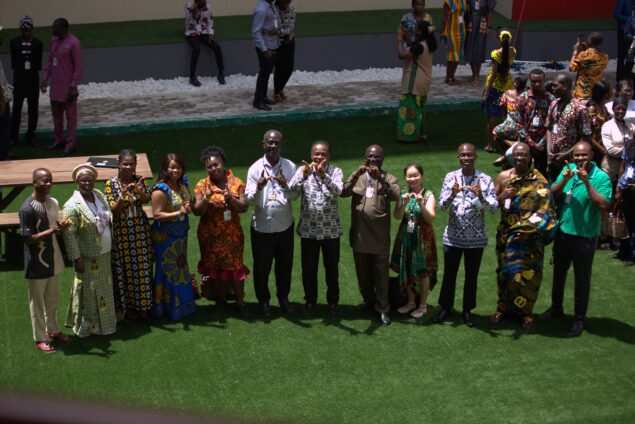
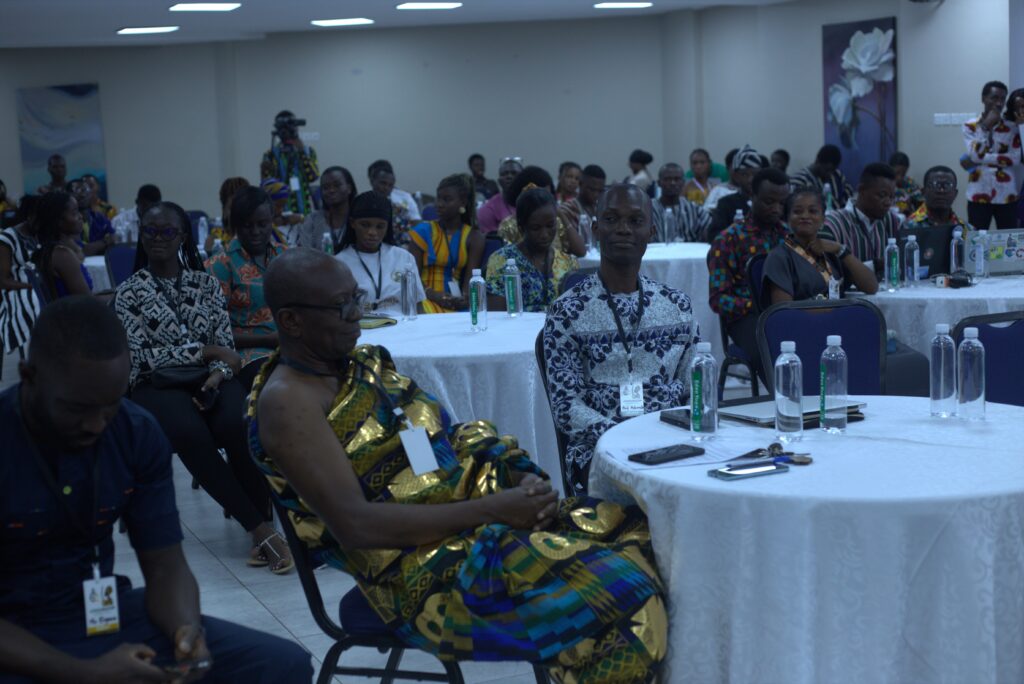
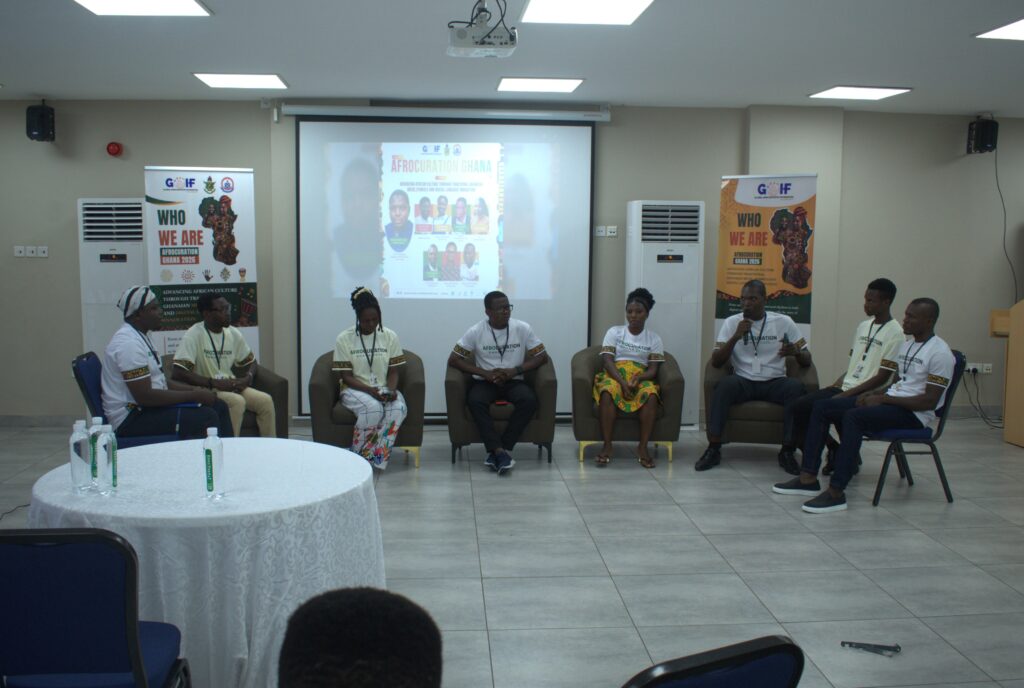
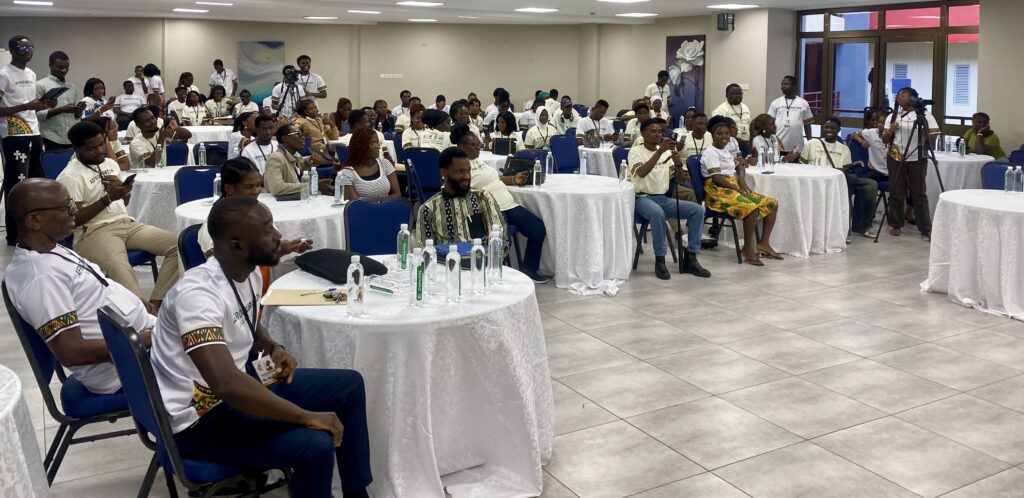
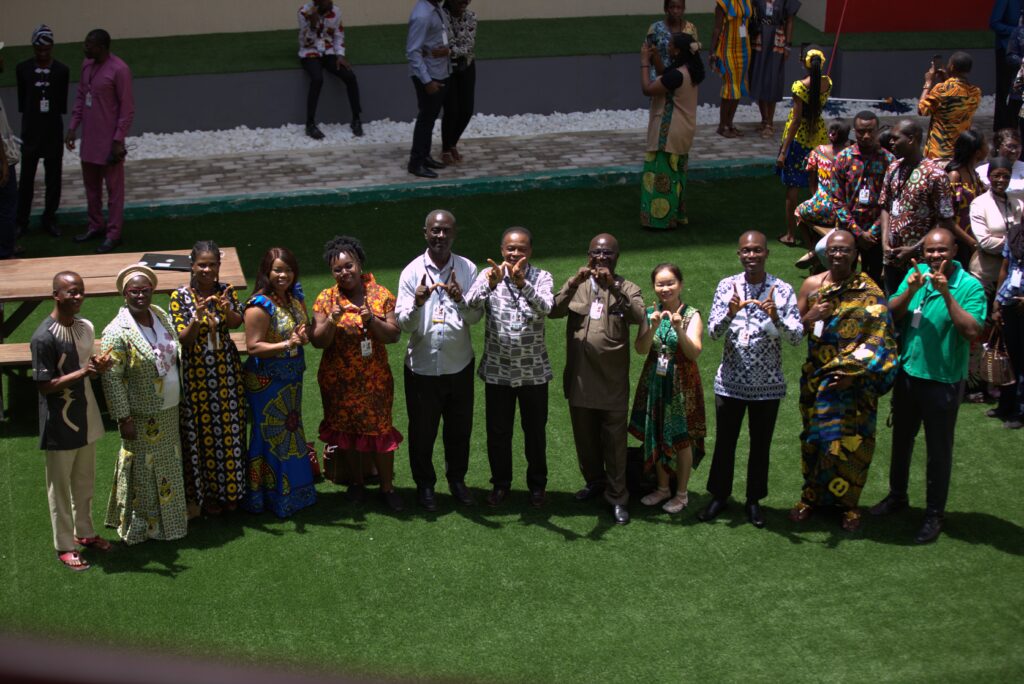
That question was at the centre of this year's AfroCuration gathering at the Kwame Nkrumah University of Science and Technology (KNUST) in Kumasi, where linguists, educators, digital innovators and cultural advocates met to discuss how indigenous languages can survive in an increasingly digital world.
Held under the theme "Advancing African Culture through Traditional Ghanaian Music, Symbols and Digital Language Innovation," the event brought together experts working in Twi, Kusaal, Dagbani, Ewe, Mooré and Gurene.
While participants welcomed the opportunities presented by artificial intelligence and digital platforms, they said preserving African languages would require stronger education policies, better digital documentation and greater investment in indigenous culture.
For linguist Professor Kofi Agyekum, preserving Ghana's languages begins at home rather than in classrooms or through technology.
"We, as a nation, must come to the realization that we have a culture, and then we have a language," he said.
He argued that children should learn their mother tongues before beginning formal education.
"If in each home we are speaking our indigenous languages with our kids, then before the children enter school, they should be able to speak Ga, Ewe, Dagbani or Twi, depending on who their parents are. School should be a top-up for them," he said.
Prof. Agyekum said schools should reinforce that foundation rather than replace it. While Ghanaian languages remain compulsory at the Basic Education Certificate Examination (BECE) level, he questioned why the requirement ends there.
"You can have an A in Chemistry, Biology and Physics, but without English you cannot enter the university," he noted. "One way is to return to what we had earlier and make indigenous languages a core subject at senior high school level."
Artificial intelligence featured prominently throughout the discussions. Participants agreed that AI is becoming increasingly important but cautioned that technological progress should not come at the expense of indigenous knowledge.
"Whether we like it or not, AI has come to stay," Prof. Agyekum said. "The world is going AI. We cannot be left behind."
But he warned that digital tools have limitations when it comes to understanding culture.
"AI is good, but it should not be at the expense of our own culture. How well can AI interpret Gurene culture, interpret Ewe customs and institutions, or interpret Akan symbols? We must receive AI with some caution so that we do not erode our culture."
A recurring concern throughout the event was the limited digital presence of many African languages.
Programme Manager at the Global Open Initiative Foundation, Abdulfatai Mustapha, said the lack of online documentation places many indigenous languages at risk.
"AfroCuration is an event that bridges the gap between our culture and the knowledge about our culture out there," he said.
The initiative uses open platforms, including Wikipedia and Wikidata, to document indigenous knowledge and cultural practices.
Mr Mustapha said documentaries have already been produced on the Dipo Festival, Kente weaving and traditional bead-making.
"These are avenues for us to promote our culture and also document a lot about our culture, which is one of the challenges we are facing in sub-Saharan Africa," he explained.
He also said much of Africa's recorded history reflects colonial perspectives.
"The majority of our history has been written by colonial masters, and some of them are factually incorrect. We are trying to correct what they have done and also bridge the gap regarding the knowledge we have about our culture."
According to Mr Mustapha, increasing the online visibility of indigenous languages has become essential.
He said AfroCuration has supported the development of community-driven online platforms for several African languages.
"We have Dagaare Wikipedia, we have Kusaal Wikipedia, and we have Mooré Wikipedia. A lot of languages that had not been documented are now being represented."
Beyond preservation, participants also discussed the economic value of indigenous culture.
Vice-Dean of the Faculty of Ghanaian Languages Education at the University of Education, Winneba, Prof. Kwasi Adomako, said Ghana's cultural diversity could become a significant source of economic growth.
"We can commercialize indigenous cultures and art forms," he said.
He pointed to domestic tourism as one opportunity. "People can travel from one part of the country to another to witness cultural practices, but we need to consciously develop every culture that we have in Ghana."
Drawing comparisons with tourist destinations elsewhere, he argued that cultural heritage is often at the centre of successful tourism industries.
"When you go to other countries, the places of interest are based on indigenous culture and architecture. Ghana has close to 80 indigenous peoples. If we consciously prioritize and invest in them, it becomes a very big industry that can generate income for the country."
Prof. Adomako said education remains central to protecting indigenous languages and cultures.
"Language goes hand in hand with culture," he said. "When people learn Chinese, they first encounter Chinese culture."
He called for stronger implementation of policies promoting Ghanaian languages in schools, saying shortages of trained teachers and learning materials continue to undermine progress.
"We need human resources, teaching materials and incentives," he said. "When you lose your language and your culture, you are actually lost."
He also argued that indigenous languages could help unlock creativity and innovation.
"There are many talented young people with ideas, but sometimes Western education becomes a barrier. Proper integration of indigenous languages into education can help unlock that potential."
Music also featured prominently in discussions as participants highlighted its role in preserving language and cultural identity.
Senior Lecturer at KNUST's Department of Language and Communication Sciences, Dr Victoria Ogunnike Faleke, described language as the foundation of society.
"Language is our identity, and identity lost is cultural loss," she said. "Identity lost is the loss of humanity."
She said language carries traditions, customs and values from one generation to the next.
"Where there is no language, there is no society. Everything about a people is expressed through language," she said.
According to Dr Faleke, music plays an important role in preserving that heritage.
"Songs teach language, entertain, create social cohesion and even heal," Dr Faleke said. "The songs for marriage are different from the songs for mourning, and within those songs are proverbs, values and beliefs."
She cited the work of highlife icon Daddy Lumba as an example of how music can preserve culture.
"Lumba left Ghana with a huge identity. His songs preserved Ghanaian culture in a way," she said.
Dr Faleke also called for greater investment in the creative sector to support both cultural preservation and employment.
"Ghanaian youth have enormous potential," she said. "They can act, sing and create content in their own languages and share it through social media. That preserves identity while also creating opportunities."
Throughout the discussions, participants returned to a message of preserving indigenous languages.
They argued that it is closely linked to education, economic development, digital participation and ensuring that African communities retain ownership of their own histories.
Latest Stories
-
NPP sets up 31 voting centres to speed up national executive elections
6 minutes -
Demolition begins at La Pleasure Beach amid heavy security presence
12 minutes -
Senyocue: Highlife will dominate global music in the next 20 years
34 minutes -
Innovare Limited congratulates Ahantaman Community Bank PLC on ISO/IEC 27001:2022 certification urges others to follow suit
53 minutes -
Today’s front pages: Friday, October 2, 2026
1 hour -
GPL 2026/27: Opoku Agyemang strike sends Kotoko third after Karela win
1 hour -
Government ‘cannot dissolve’ GFA – Sports Minister Kofi Adams
1 hour -
Baffour Awuah granted GH¢50m bail after EOCO detention
2 hours -
“Every genre we create doesn’t have to be ‘Afro’ something” – M.anifest
2 hours -
GMTF marks first anniversary with lifesaving equipment for 9 more hospitals
2 hours -
NAIMOS seizes 10 excavators in raid on illegal mining sites blocking River Pra’s flow
2 hours -
Pump prices may stay unchanged as government holds TOR, Sentuo prices
3 hours -
Akra Reads! 2026: Ladé Wosornu poetry contest expands to JHS
3 hours -
K9 dog sniffs out 72lbs of prohibited Ghanaian food items at JFK
3 hours -
If family planning is our choice, why isn’t it in our budget?
3 hours