

Audio By Carbonatix
Due to the volatility of the natural gas market because of the Ukraine war and the resulting disruption of natural gas supply especially in Europe, governments around the globe are now taking emergency measures including capping the price of electricity and decoupling natural gas which is directly linked to the price of electricity.
With such measures, governments hope to take control of electricity cost that has soared many folds within a year.
The effect has added extra economic burden on households and businesses around the world just as they were coming out of the pandemic. There’s also more nervousness around natural gas supply as Europe and the world prepare for winter. As a last resort, some European countries are looking at rationing natural gas which is also used for heating homes in the winter.
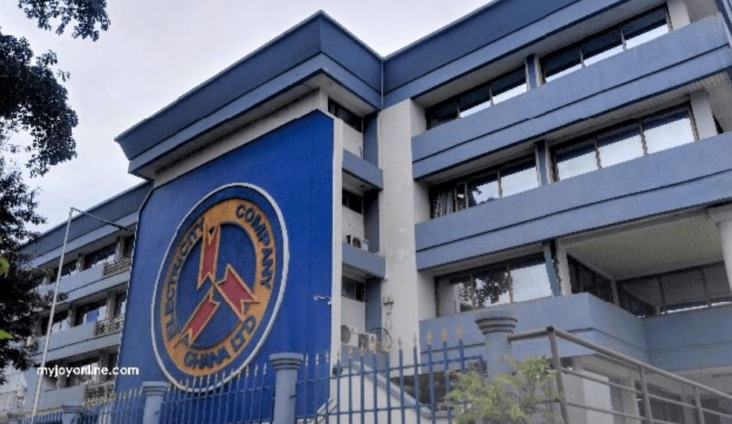
Instead of cushioning Ghanaians and increase electricity cost by 27.15% effective September 1st, 2022, give Ghanaians a fair deal and get rid of the marginally pricing system for electricity based on the Weighted Average Cost of Gas (WACOG), find an instrument or formula that will encompass all the power generation units including renewable energy sources, and reform the electricity market design to address the “supreme” interest of consumers and the economy in general.
Ghana should break the link between the volatile market and high price of natural gas dominating the rising electricity cost. The nation should add more renewable energy to the power generation mix to meet our electricity demand. Renewables are by far the cheapest form of power today. They also free up economies from the volatile natural gas and crude oil prices and imports as well as exchange rates. Thus, securing Ghana’s energy and at the same time stabilizing the economy.
The increase of the electricity cost is only going to add more fuel to the high rising inflation and create more economic hardships for Ghanaians.
Latest Stories
-
Stay off Accra–Kumasi Expressway site – Ashanti Region Security Coordinator warns sand winners
2 minutes -
PZ Cussons Ghana promotes hand washing among schoolchildren through Camel campaign
25 minutes -
30 NDC aspirants file nominations in Upper West as regional election approaches
39 minutes -
UPSA launches laptop assembly plant, requiring new students to assemble their own devices
45 minutes -
UCC sociologist calls for action on gender inequality to end child marriage
46 minutes -
LSN questions Ghana’s proposed five-year presidential term and DCE election reforms
47 minutes -
AFCON 2027Q: Bjorkegren to lead Black Stars for Somalia doubleheader with Tanko and Attram as assistants
49 minutes -
AMA completes road repairs on Kwame Nkrumah Avenue
55 minutes -
Law Students’ Network warns executive dominance could undermine constitutional review
57 minutes -
Mahama to meet relevant stakeholders over concerns about the new Customs Act
1 hour -
CHASS demands a 20% increase in SHS funding and payment of outstanding debts
1 hour -
Investigation launched after male body found in County Cork
1 hour -
We have been scammed by NDC, government is only doing PR – Abanga Fuseini
1 hour -
Tamale Teaching Hospital records 44 new breast cancer cases in six months
1 hour -
GES declares October 30 CPD day for private school teachers; learners to observe holiday
1 hour