

Audio By Carbonatix
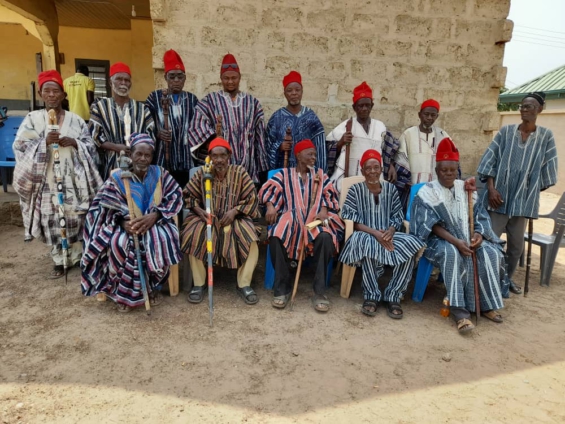
The Paramount Chief of Bole Traditional Area in the Bole District of the Savannah Region, Sarfo Kutuge Feso (I) has assured all Gonja tribes in his jurisdiction of a win - win share in the renaming of settler communities with indigenous Gonja names in the Bole and Sawla Tuna Kalba Districts.
In a press statement signed by his Secretary, Haruna Shaibu Obey, the Paramount Chief stressed that, the Vagla, Safalba, Chorba and Nomee which form part of the Gonja State, will be the first to benefit from the project.
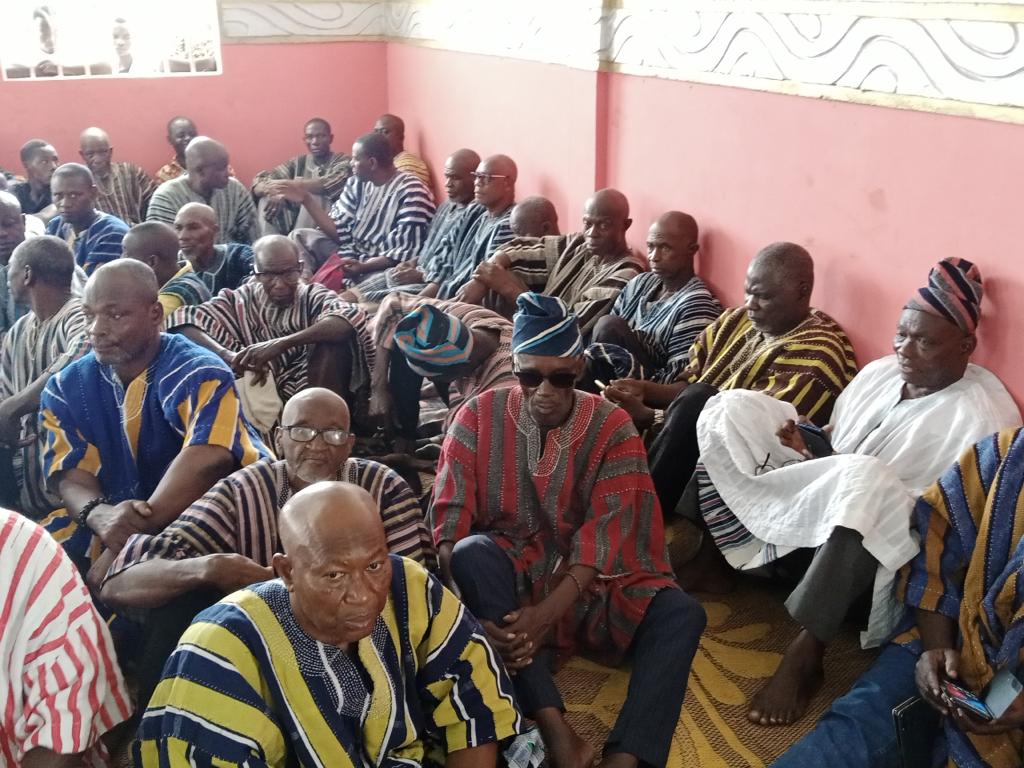
He added that the project will not break up the unity, solidarity and co-existence that exists among the various Gonja tribes that forms the political union known as the Gonja State.
The statement was in response to an open letter dated Wednesday July 6, 2022, by the Vagla Youth Association (VAYA) questioning the objectives and motives behind the project to rename settler communities with indigenous Gonja names in the two Districts.
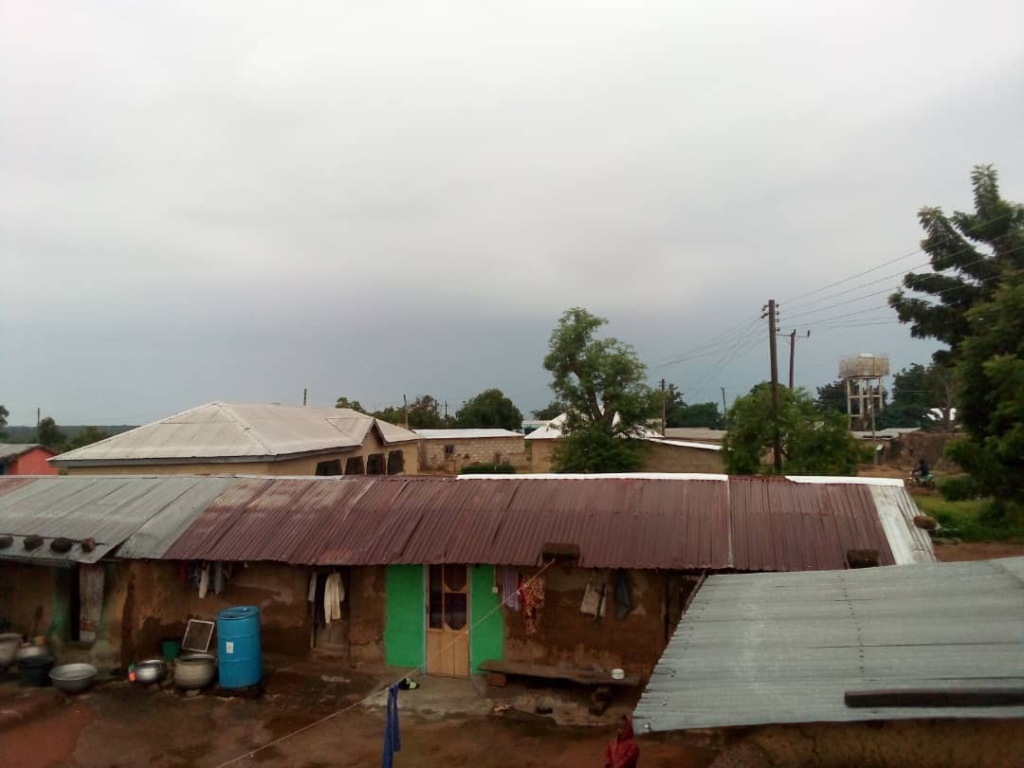
“Renaming all Communities with indigenous Gonja names will be done meticulously with ethnic groups like Vagla, Safalba, Chorba and Nomee being the first beneficiaries since names of some indigenous communities or new settlements near indigenous communities have been suddenly changed without consulting the indigenous people nor the Bole Traditional Council," he said.
It appears the traditional authority was not happy with the chosen mode of communicating their plights to the paramountcy.
He accused the youth of disrespecting and undermining the authority of Yiram ( Bolewura's) and the Bole Traditional Council's with their open Letter instead of using the numerous access of communication available to them (VAYA).
The Paramount Chief, however, stated that since Gonjas with Ndewura Jakpa's lineage "established Kingship and rulership, there are many communities that still bear Vagla names in Bole Traditional Area in their original form and there are other communities whose names have also with time, been changed or slightly changed with Gonja Language intonation.”
The statement also reminded the Association of the constitutional rights of the Bole Traditional Council to rename 'settler communities' with names that are in line with the tradition of the area.
He warned that, "Bolewura and his Council will surely take decisions 'consistent with the tradition and custom of all the Gonja tribes in the Bole Traditional Area' and will not tolerate any decision by any group to challenge such a decision.”
Still responding to some of the questions raised by VAYA on the settler communities exercise, the statement said the meaning of settler communities is that the ethnic groups that constitute settlers are clear of that. He added that "Vagla, Safalba, Chorba and Nomee who have been part of the history of the Bole Traditional Area cannot be called settlers.
The Vagla Youth Association in their statement issued to the Chief said “our understanding of Gonja is that of the native tribes in a particular geographic area.”
The term Gonja was used to refer to these ethnic groups: the Ngbanya, Vagla, Safalba, Chorba and Nomee in the extreme Western Gonja area which falls in the current Bole and Sawla Tuna Kalba Districts of the Savannah Region. Several history records support this fact", the Secretary indicated.
The Secretary further explained that, a settler is a person who has migrated, "to an area and established a permanent residence there, often to colonize the area."
On appointment to the board of the Bole Lands Secretariat, Bolewura wondered why the Vagla Youth Association should question his, "authority in appointing people to the Board of the Bole Lands Secretariat.
Bole Sarfo Kutuge Feso (I) did not 'deliberately ignore the other Gonja tribes' fair representation of the Land Secretariat because not all ethnic groups in the Bole Traditional Area can be represented.
The composition of the Customary Lands Secretariat Board Membership is clear and well spelt out in the new Land Act , 2022, Act, 2020, Act 1036, article 14 to article 18 and you are entreated to making enquiry from the Land Act in this regard", he indicated.
Bolewura also challenged VAYA to provide evidence of any instances where his outfit preached a divide and rule tactics among the other indigenous Gonja tribes, hence, "the Palace of Bolewura runs an open - door policy and always ready to welcome any person or group of persons who are development-oriented and who cares about the peace, unity and development of their respective communities in the Traditional Area", Bolewura Sarfo Kutuge Feso (I)stated.
Latest Stories
-
Nana Yaa Jantuah calls for renewed commitment to Nkrumah’s vision
29 minutes -
CAGD explains delay in teachers’ promotion arrears, says 6,079 cases already paid
34 minutes -
Fuel, taxes and loans are driving up airfares – Prof Quartey
39 minutes -
Ghana, Côte d’Ivoire mark major border milestone with 37 new pillars
59 minutes -
Almost everything in Ghana is expensive – CUTS Director on airfare debate
1 hour -
NAFCO builds GH¢100m food buffer as Ghana moves to strengthen food security
1 hour -
Oil heads higher as US-Iran peace talks in stalemate
2 hours -
GAF sets Sept. 28–30 for Documentation, Body Selection Exercise
2 hours -
Eric Obuaba declares intention to contest NDC National Executive position
2 hours -
I resigned five months ago – BoG Governor Asiama explains GoldBod Board exit
2 hours -
Trump says men arrested at UK air base used by US were looking to do ‘big damage’
2 hours -
Trump confirms meeting with Anthropic’s Amodei, repeats dismissal of AI fears
3 hours -
China pushes back against US on Iran and Cuba in UN speech
3 hours -
OpenAI, Anthropic CEOs called to appear at Australian AI probe
3 hours -
Small market, low incomes keep Ghana’s domestic airfares high, says Prof Peter Quartey
4 hours