

Audio By Carbonatix
The West Africa Coastal Areas Management Program (WACA), initiated by the World Bank through its Environment and Natural Resources Global Practice, aims to address the socio-economic vulnerabilities of coastal communities in West Africa.
The program comprises two main components: the Resilience Investment Project (ReSIP), which focuses on physical and social investments, and a platform for technical assistance to strengthen national policies and institutions.
Ghana officially launched the second phase of WACA-ReSIP in August 2024, underscoring its commitment to tackling the challenges of climate change and human pressures on coastal areas.
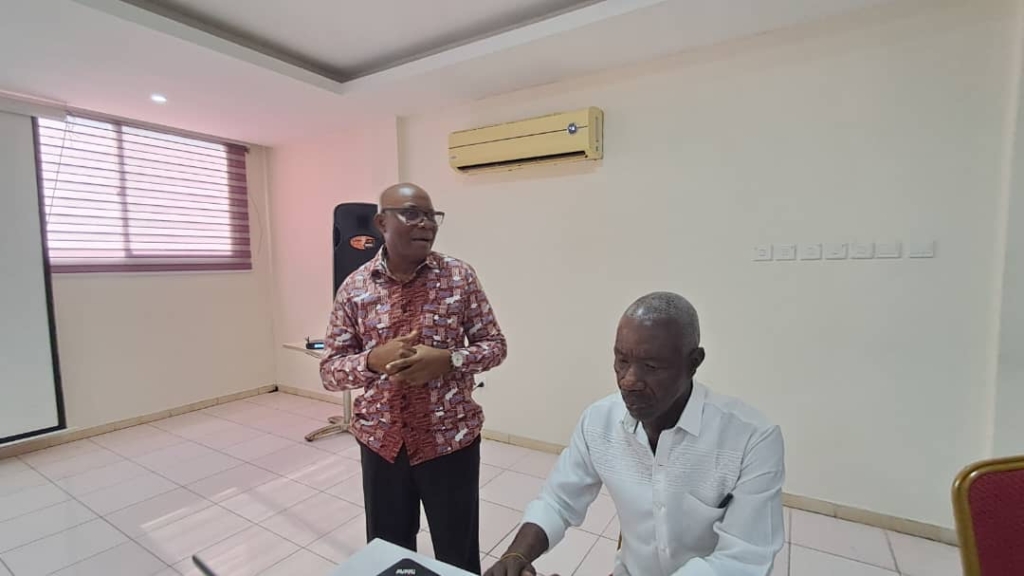
As part of this phase, the Coastal CSOs Forum (CCF), which represents civil society organizations in Ghana’s WACA framework, has been tasked with supporting ongoing community initiatives.
In alignment with WACA ReSIP’s Component Three, the CCF has prioritized the implementation of Community Resource Management Areas (CREMAs) in intervention communities, including the Densu Delta in the Greater Accra Region.
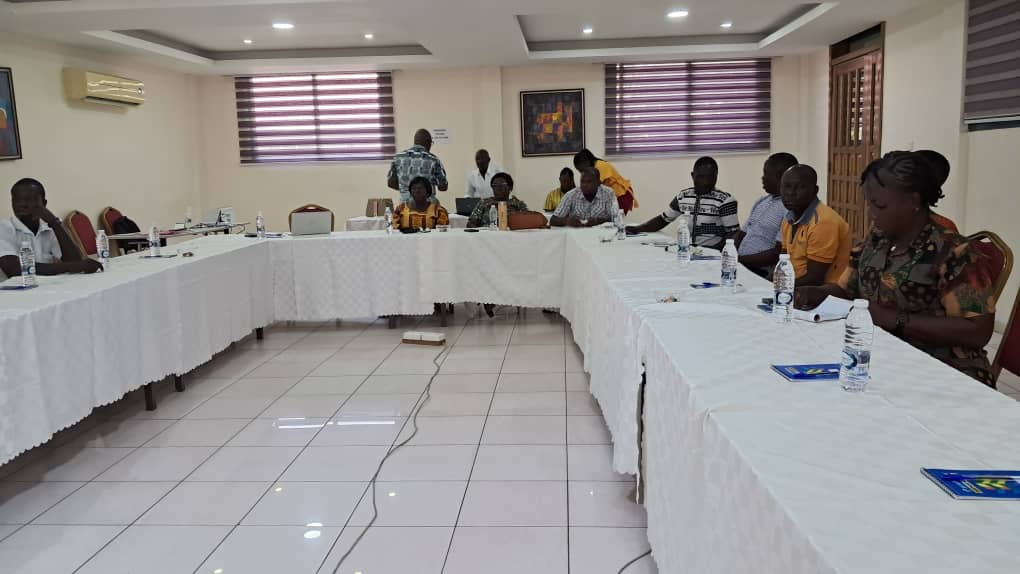
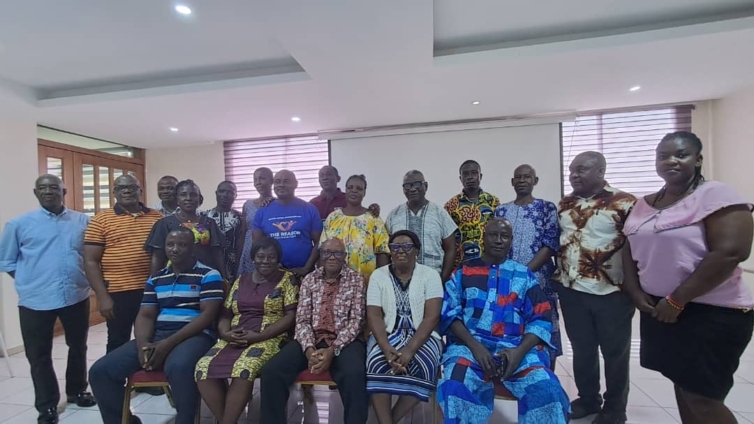
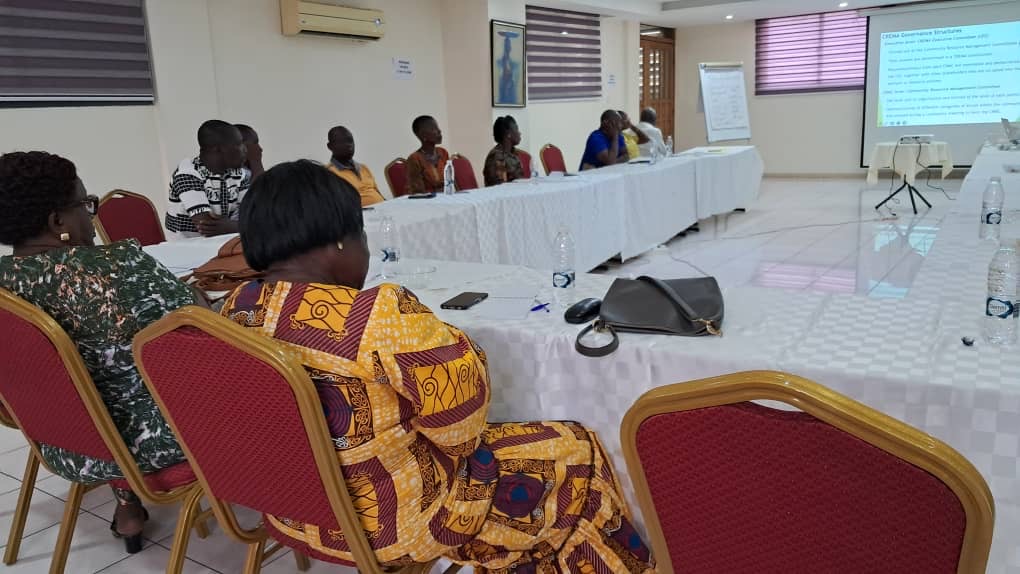
A recent workshop organized by the CCF sought to build awareness and capacity for the CREMA mechanism in Densu Delta communities, bringing together key stakeholders for dialogue and education on this flagship initiative.
The primary objective of the workshop was to secure stakeholder buy-in and ownership of the CREMA mechanism.
This mechanism is designed to empower local communities to manage and sustainably use their natural resources, particularly mangroves, which are critical ecosystems in the Densu Delta. By fostering a shared understanding of the CREMA process and its functional structure, the workshop aimed to lay the foundation for the establishment of CREMAs in the area.
Key Objectives and Expected Outputs
The workshop was structured to achieve three critical outcomes:
Shared Understanding: Participants were expected to gain a clear understanding of the CREMA concept and the integral role of communities in its implementation.
Ownership of the Process: Stakeholders were to appreciate and commit to the CREMA process and its functional structure, ensuring active participation in its establishment.
Clarified Roles and Responsibilities: The workshop aimed to delineate the roles of various stakeholders, fostering commitment to their respective responsibilities.
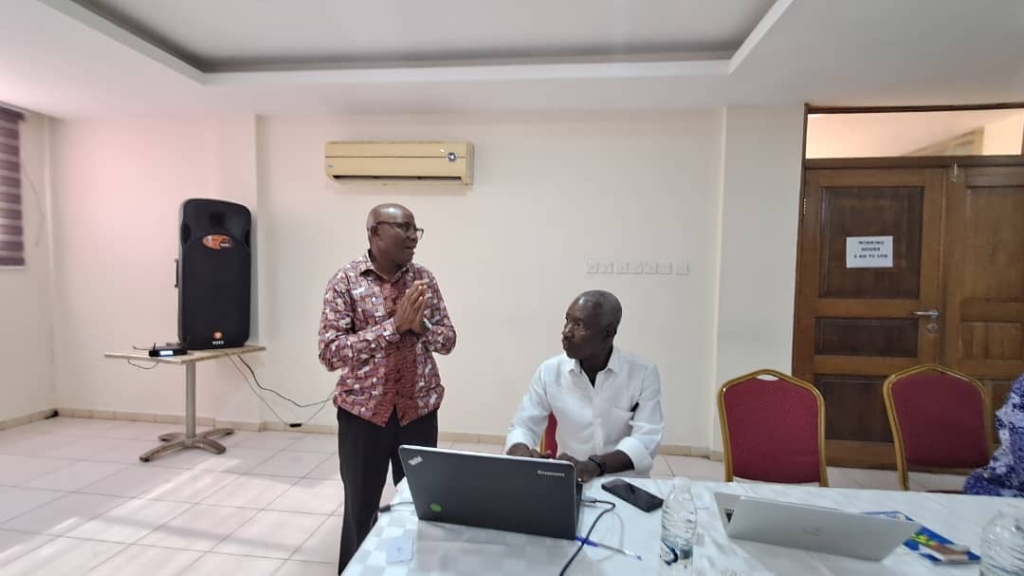
Speaking during the workshop, Ken Kinney, Chairman of the Coastal CSOs Forum, emphasized the importance of leveraging ongoing community initiatives to achieve sustainable development through the CREMA mechanism.
“This meeting is a continuation of supporting ongoing community activities through the WACA process,” Kinney stated.
“CREMA has been identified as a flagship project for communities, especially those with natural resources like mangroves. We are promoting awareness and taking communities through the CREMA process to secure their buy-in and prepare them for the implementation phase. The goal is to enable communities to benefit from the CREMA process, leading to sustainable resource management and development.”
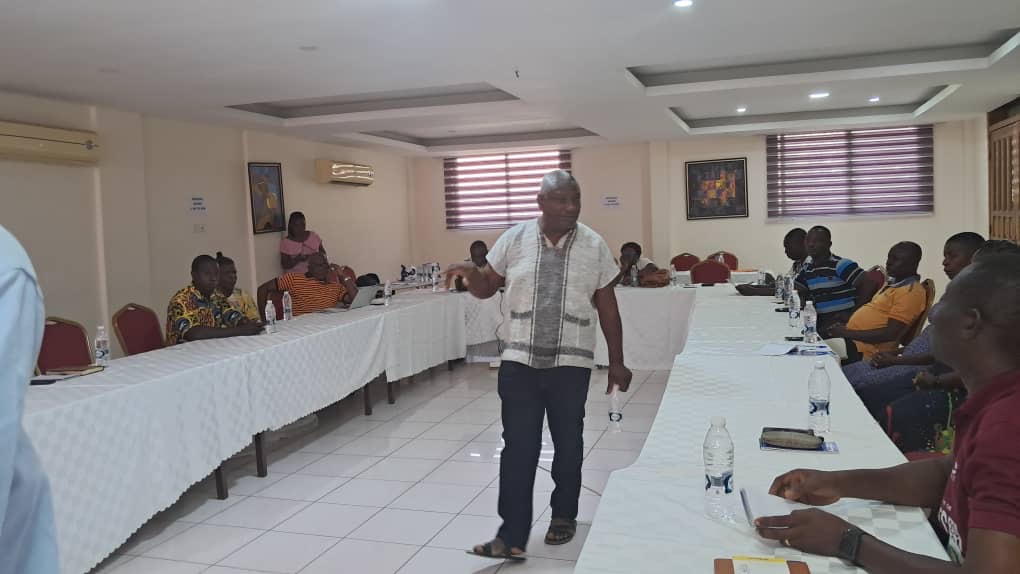
The workshop engaged local communities in the Densu Delta, focusing on building their capacity to manage their natural resources effectively. Kinney highlighted the critical need for community participation, stating, “The way forward is to deepen awareness as we enter 2025, providing capacity-building training on the CREMA process. This will empower communities to manage their resources independently through the devolution of rights.”
The CREMA mechanism is particularly significant for the Densu Delta, a region rich in biodiversity and home to vital mangrove ecosystems. By establishing CREMAs, local communities gain the authority to sustainably manage and benefit from their natural resources.
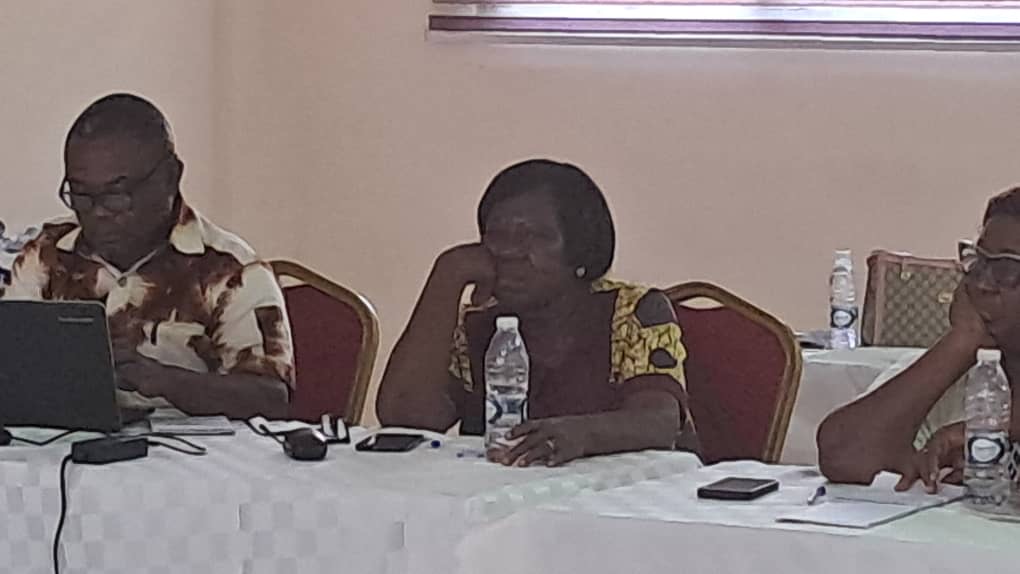
This approach not only fosters environmental conservation but also contributes to the socio-economic well-being of these communities.
The CREMA process includes capacity-building initiatives to equip communities with the skills and knowledge necessary for effective resource management.
These trainings cover topics such as governance structures, sustainable resource use, and community mobilization. Once fully implemented, CREMAs will enable the devolution of resource management rights to local communities, ensuring long-term sustainability.
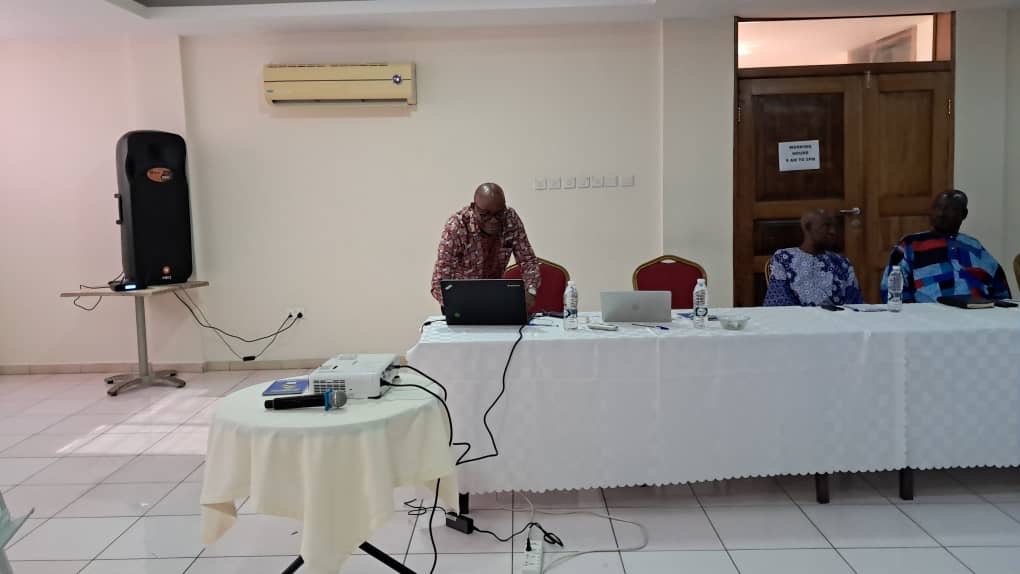
As the initiative progresses into 2025, the CCF plans to intensify awareness campaigns and capacity-building efforts in the Densu Delta. These efforts will focus on equipping communities with the tools and knowledge needed to navigate the CREMA process successfully.
Kinney reaffirmed the CCF’s commitment to supporting local communities, stating, “We will continue to provide the necessary training and guidance to ensure the successful establishment of CREMAs. This process will not only empower communities but also promote sustainable development in the region.”
The CREMA awareness workshop in the Densu Delta marks a significant step towards community-led natural resource management in Ghana. By fostering stakeholder appreciation and ownership of the CREMA mechanism, the initiative has laid the groundwork for sustainable development in the region.
As the CCF and its partners deepen their engagement with local communities, the CREMA process promises to transform the way natural resources are managed, ensuring their preservation for future generations.
This initiative underscores the vital role of civil society in driving climate resilience and sustainable development in coastal areas, offering a model for other regions facing similar challenges.
Latest Stories
-
Labour Minister wants SOEs to help shape new public pay system
3 minutes -
IPEC will ensure Equity and Sustainability in SOEs Compensation
32 minutes -
White House bars CNN from travelling with Trump on Air Force One
1 hour -
Fennis wins second consecutive ITF J60 title in Accra
1 hour -
Spain beat England in thriller after Kane penalty miss
1 hour -
GPL 2026/27: Zaidan’s late goal ends Hearts of Oak unbeaten start
1 hour -
CEOs demand clarity on pay harmonisation, board autonomy as FWSC engages SOEs bosses over IPEC transition
2 hours -
2026 Women’s Super Cup: FC Savannah, Epiphany Warriors maintain top spots ahead of final group games
2 hours -
‘Is EOCO responsible for determining lawyers’ fees?’ – Baffour Awuah
2 hours -
David Beckles claims second J60 Accra title
2 hours -
No France cocaine suspect linked to Mahama, Vice President’s security details – NACOC
2 hours -
Anwelle Foundation launched in Jirapa to tackle poverty, youth unemployment
3 hours -
Joy Sports Editor Fentuo Tahiru Fentuo to moderate inaugural Music Meets Football Summit in Zambia
3 hours -
Court premises too volatile for Baffour Awuah’s attempted arrest by EOCO – Inusah Fuseini
3 hours -
Drug bust: Under no circumstances will NACOC leadership be compromised – Twum-Barimah
3 hours