

Audio By Carbonatix
Smuggling is draining billions from Ghana’s economy, and the Food and Beverages Association of Ghana (FABAG) is warning of a looming collapse if urgent action is not taken.
The Association says criminal networks are thriving while legitimate businesses struggle under heavy taxes and high operational costs.
FABAG says the illicit trade has reached alarming levels, causing the country to lose billions of cedis every month.
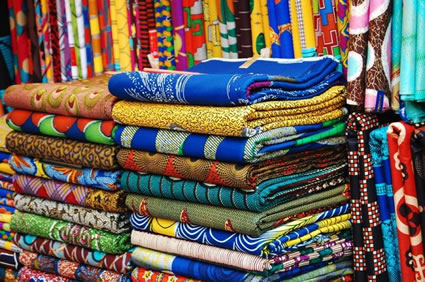
Intelligence from border communities and industry partners reveals that essential goods such as rice, cooking oil, sugar, alcoholic beverages, and textiles are being smuggled into the country in large volumes.
According to FABAG, the unchecked inflow of these untaxed and often substandard products is crippling local industries and robbing the state of critical revenue for development.
“It is disheartening that compliant businesses are subjected to rigorous tax regimes and levies while smugglers thrive unchecked,” the association said.
FABAG estimates that Ghana is losing hundreds of millions of cedis every week through unmonitored smuggling at both official and unofficial entry points.
The group warns that this massive revenue loss threatens the stability of the economy, weakens the cedi, discourages investment, and endangers jobs in the manufacturing and distribution sectors.
The association is calling on the Customs Division of the Ghana Revenue Authority, the Ministry of Trade and Industry, and national security agencies to intensify border enforcement and deploy advanced surveillance technology.
FABAG says smuggling has now evolved into a highly organised and well-funded criminal network that must be confronted decisively.
The group also appealed to the Ministry of Finance to review the import tax regime as part of the upcoming 2026 Budget.
It argues that high import duties and complex port procedures are major drivers of smuggling and must be urgently reformed.
FABAG warns that Ghana cannot continue to lose such vast revenue while burdening citizens and businesses with higher utility tariffs.
It insists the smuggling crisis has become a national security issue, threatening Ghana’s industrial base and the survival of legitimate enterprises.
“The government cannot afford to delay,” the statement concluded. “We must act now to protect our borders, support local industries, and secure the future of our economy before it’s too late.”
Latest Stories
-
WAEC Awards: PRESEC-Legon student grabs best business student prize
3 hours -
Bills Micro-Credit suspends officers over altercation with customer, hands them over to police
5 hours -
Court jails foreign national 5 years after GH¢1.9m & US$191k fake currency conviction
5 hours -
E.P. College of Education raises alarm over infrastructure deficit
5 hours -
Hamas urges key ally Iran to halt attacks on Gulf states
6 hours -
Trump urges UK and other nations to send ships to help secure Strait of Hormuz after Iranian attacks
6 hours -
Ken Ofori-Atta eyes US residency as Ghana seeks his extradition over corruption allegations
6 hours -
JoyNews’ Kwetey Nartey selected for 2026 Stigler Center Journalism Fellowship
7 hours -
Bills Micro-Credit probes viral altercation involving field officers and woman carrying baby
7 hours -
Ghana, Russia review bilateral ties, explore new areas of cooperation
8 hours -
Spintex Burglary: Police arrest suspect, recover stolen cash and valuables
8 hours -
Drug suspect arrested after attempting GH¢20,000 bribe to police in Tamale
8 hours -
Police arrest 10 suspects in anti-drug operation in Tamale
8 hours -
IRC Ghana, Ahafo RCC hold RLAP meeting on sustainable rural water infrastructure and management
8 hours -
Gov’t to ban gas cylinder importation – Energy Minister
9 hours