

Audio By Carbonatix
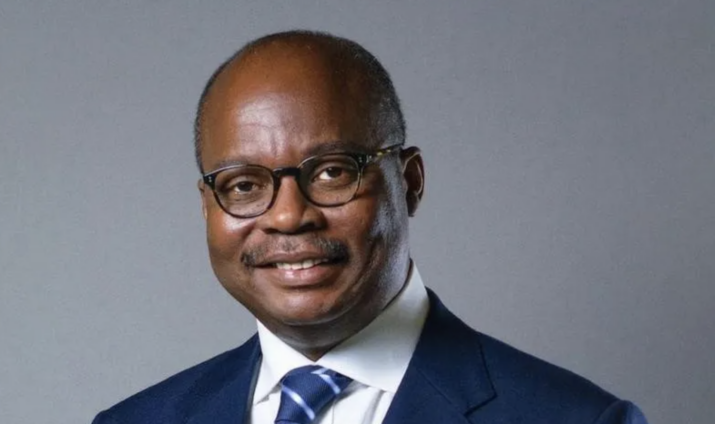
Governor of the Bank of Ghana (BoG), Dr Ernest Yedu Addison, has firmly dismissed claims linking the central bank’s independence to the government’s debt exchange programme.
Speaking on Joy News’ PM Express Business Edition on January 2, he clarified that the debt exchange program was a direct response to a severe national crisis and had no bearing on the autonomy of the BoG.
“The debt exchange programme has nothing to do with the independence of the central bank,” Dr Addison stated unequivocally.
He described the programme as a “pure crisis issue,” stressing its urgency during a time when Ghana was on the brink of economic collapse.
“It was a life-and-death matter for all Ghanaians. At that point, nothing else mattered. Salaries were not going to be paid. There was going to be chaos because nobody was getting their investment returns,” he said.
Drawing comparisons to Sri Lanka’s economic collapse, Dr Addison highlighted the role of the BoG in averting a similar fate for Ghana.
“In Sri Lanka, the central bank could not step in because they had run out of foreign exchange reserves. In the case of Ghana, we were lucky that we still had reserves,” he noted.
Responding to questions about the economic shocks that led to the debt exchange program, Dr Addison explained that the BoG’s involvement was not a shock but rather a solution.
“The IMF’s approach to the crisis was clear: the Bank of Ghana had to continue financing the government to maintain stability while we worked on the program,” he said.
He elaborated on the timeline, stating that the IMF’s prescribed solution involved declaring a debt standstill, followed by a debt exchange.
“At that point, those holding government instruments were the ones impacted. What happened in October during the debt standstill could have happened much earlier in the year, but it would have been disorderly without the appropriate policies in place,” Dr Addison explained.
The governor pushed back against suggestions that the BoG could have done more to minimize the economic shocks.
“This was the solution given the situation the country found itself in,” he said, adding that the measures implemented were necessary to stabilise the economy and prevent a total breakdown.
Dr Addison also rejected the idea that the central bank’s independence was compromised during the crisis, reiterating that its actions were aligned with the IMF’s framework to restore stability.
Dr Addison’s remarks reflect his commitment to addressing misconceptions about the BoG’s role in the debt exchange program.
By emphasising the program’s crisis-driven nature, he sought to shift the focus from questions of independence to the broader context of Ghana’s economic recovery.
“The recent economic challenges were about survival. Let’s not oversimplify the situation,” he concluded.
Latest Stories
-
Moody’s upgrades Ghana’s credit ratings to B3, but changes outlook to stable
6 minutes -
‘I want to raise well-rounded individuals, not just men’ – Kate Addo on parenting boys
10 minutes -
Yaa Konadu Agyeman’s ‘Exceptionally Yours’ is the perfect romance read for the holiday season
20 minutes -
‘You have to man up’ – Kobby Kyei on the hidden cost of silence for Ghana’s boys
23 minutes -
DVLA extends regional office hours to 10pm under 24-Hour Economy
27 minutes -
‘Ghanaians are becoming like Kweku Ananse’ – Agyinasare warns against culture of lies
28 minutes -
‘The nation failed us’ – Okada Riders’ PRO defends young riders caught between survival and the law
29 minutes -
DVLA plans demerit point system, real-time monitoring of testing stations
30 minutes -
Health Committee Chair lauds NHIA’s swift disbursement of insurance claims
30 minutes -
Okada Association says it’s preparing training centre as gov’t works on new regulations
31 minutes -
Imperial General Assurance backs Team Auto Racing Ghana ahead of historic Angola showrun
39 minutes -
Before they failed the BECE, did Ghana fail them?
40 minutes -
Photos: Mahama swears in Emelia Afi Agbenyo, Joseph Kwaku Asamoah as EC Deputy Commissioners
43 minutes -
Centre for CSR, West Africa partners with Climate x Culture Summit to champion corporate sustainability at Google AI Centre
48 minutes -
Petrosol donates medical equipment to Bolgatanga Hospital
49 minutes