

Audio By Carbonatix
With the UN statistics citing that 40 per cent of the global population does not have access to safe water, experts in the sector have for years been advocating for the proper treatment of the commodity where it is available.
Though this has proved difficult to achieve - sometimes due to behavioural or financial restraint- the use of varying methods to treat water has been adopted by homes and communities as a means of preventing water-related diseases
It has however been realized through research that one of the methods – filtering - can actually be the source of contamination.
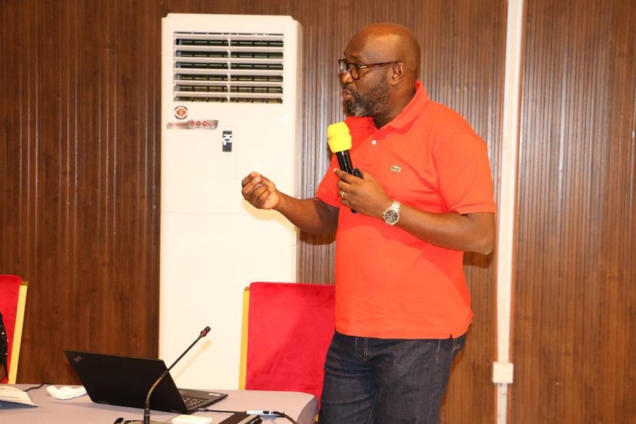
Speaking at a media training ahead of the 21st AfWA International Congress and Sludge Management Conference in Abidjan, the Director of the Water Quality Laboratory of Sodeci in Cote d’Ivoire, Professor Aw Sadat revealed that most people assume the use of filters automatically makes the water clean.
He said they forget that particles which are left at the base of the filters, sometimes find their way into the treated water. His proposed solution is for the daily cleaning of the filters.
"The job of the filter is to separate solid and liquid so when you put in the water, the filter controls the solid. We all know that with time, there will be an accumulation of the solid on the filter yet some do not dispose of it or clean the filters.
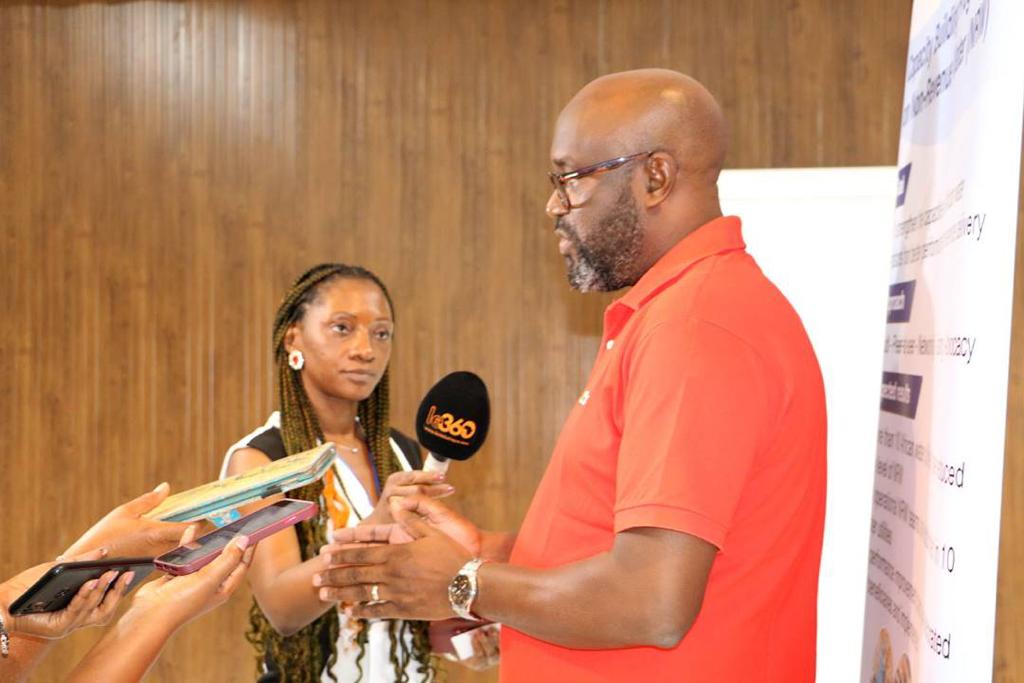
"With time, the filter will not be able to do its job during the cycle. But we know that water will find its way out of the filter so during that process, some of the solid particles travel with it, thereby contaminating the safety of the water. This is why you must change your filter all the time,’ Prof Sadat emphasised.
The safe water advocate also touched on the importance of periodic monitoring of the control systems which check the quality of the water.
Citing the effective practice in his country as an example, Professor Sadat, explained how a prompt response to an abnormality found by the monitoring team prevented a catastrophe as a distribution chain had been contaminated with urine.
Sharing the Ivorian practice, Professor Sadat explained how "there is a meeting every day where we do control depending on the set objectives.
"Some of the control is done every morning, others every other day and sometimes weekly."
He added, "we have a policy document which guides us with this quality control and depending on the kind of water, we decide on the quality control measures in conformity to international standards."
His recommendation is for "water utility bodies in Africa to be adequately equipped to aid their control and monitoring of water quality so that water-related diseases would be prevented."
Latest Stories
-
JoyNews–Republic Bank Habitat Fair ends on a high note after 3 days of strong patronage, expert engagement
30 minutes -
Emma Ofosua takes West African spoken word to three UK cities
32 minutes -
Traditional artists will become more expensive because of AI – Aewura Arts
36 minutes -
Clients would disappear after I finished their artworks – Aewura Arts recounts challenges
36 minutes -
Turkish police detain dozens in raids on gay bars and homes of LGBTQ+ activists
40 minutes -
Trump doubles down on united Ireland comments on day two of visit
43 minutes -
Best friends for decades – until a DNA test revealed they were sisters
50 minutes -
Russia hits Ukrainian train shortly after Boris Johnson and top European officials leave station
56 minutes -
GPL 2026/27: Berekum Chelsea record first win with 3-1 victory over Dreams FC
59 minutes -
GPL 2026/27: Kotoko beat Heart of Lions to end decade-long winless run
1 hour -
GPL 2026/27: Hearts of Oak come from behind to beat GoldStars
1 hour -
Construction of new Wa airport to commence soon – Mahama assures
1 hour -
Government support for the arts industry is not enough — Aewura Arts
2 hours -
Art can be lucrative, but have a side hustle – Aewura Arts to fellow artists
2 hours -
No two-phone law – GRA clarifies Customs rules for travellers
2 hours