

Audio By Carbonatix
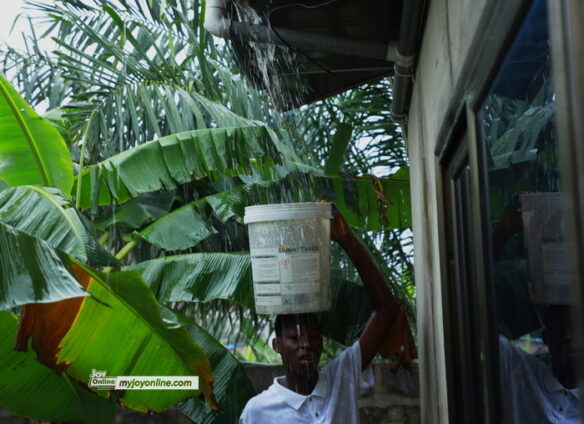
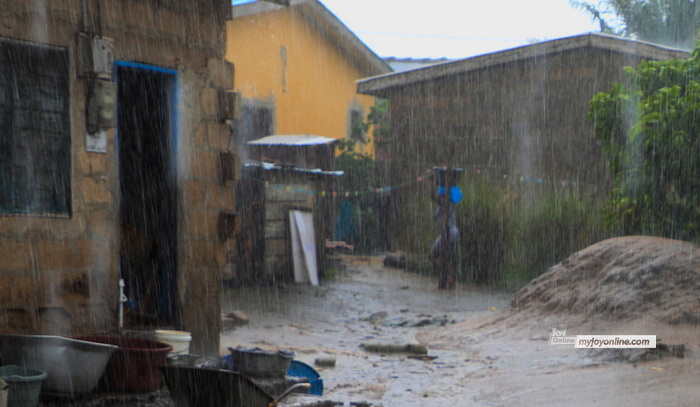
Many Ghanaians, particularly in rural communities, have long believed that rainwater is one of the purest water sources, coming directly from the sky and seen as a gift from God.
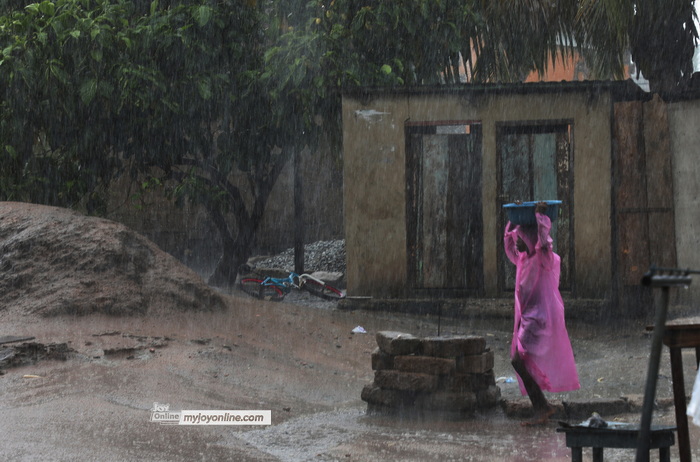
For generations, people have harvested rainwater, using it for drinking, cooking, bathing, and even serving it as a prized refreshment to special guests.
Recent findings by experts, however, warn that drinking untreated rainwater may pose significant health risks, leading to diseases such as kidney problems, respiratory issues, and even cancer.
Madam Naomi Asante, a 70-year-old resident of Kasoa, is among those who remain staunch advocates of rainwater’s purity.
“I have been drinking rainwater since I was a child, and I am perfectly healthy,” she argued, adding that she collects rainwater in large containers that last her household up to six months.
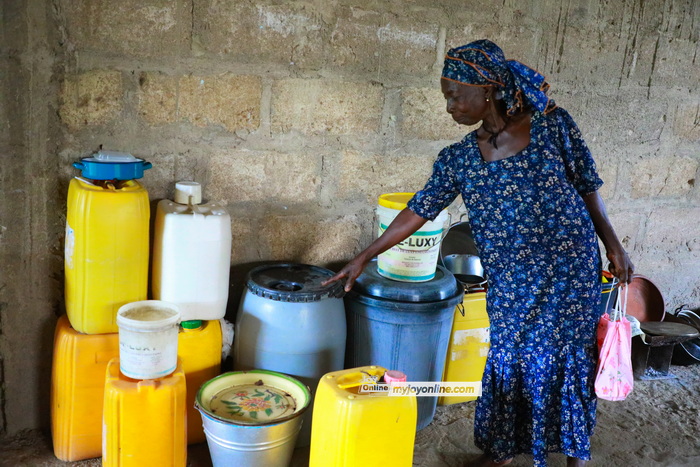
“This water is a gift from God, cleaner than any other water source,” she asserts.
Echoing this sentiment, Prophet Obeng Amoakohene of Royal Central Church described rainwater as having spiritual significance, symbolising blessings and purity.
Quoting scripture, he explained, “Rainwater is considered a symbol of God’s blessings. It is powerful and is even used by spiritualists for healing purposes.”
However, health and environmental experts are now urging caution.
Dr. Deborah Darko, an engineer with Ghana’s CSIR Water Research Institute, advises against drinking untreated rainwater, no matter how clean it may appear.
“Just because it’s clean does not mean it’s safe. Those harvesting rainwater should boil it, let it cool, and filter it before use,” she said. Dr. Darko also emphasised that potable water should be odourless and free from bacteria and contaminants.
This need for caution is supported by research from water engineers and health experts, who warn of the potential dangers in untreated rainwater.
According to Prof. Marian Asantewah Nkansah, from the Department of Chemistry at KNUST, and Dr. David Azanu, from the Department of Environmental Science, drinking untreated rainwater exposes individuals to various life-threatening diseases, especially for children and the elderly with weaker immune systems.
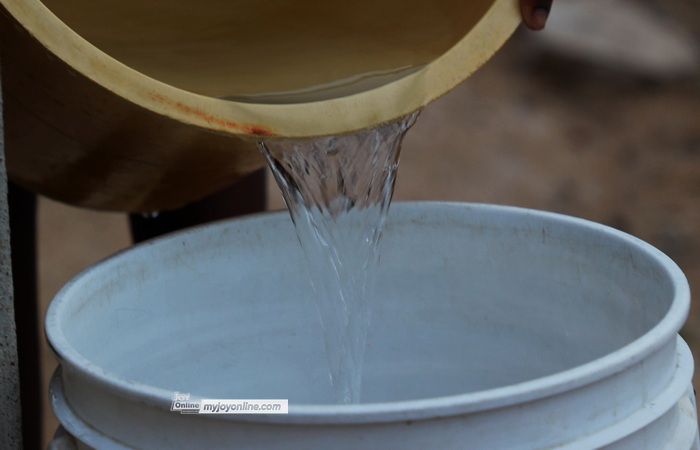
“Untreated rainwater can collect harmful bacteria like E.coli and Salmonella from bird droppings, animal waste, and pollution in the atmosphere,” explained Dr. Azanu. “This can lead to severe gastrointestinal illnesses, respiratory infections, and, in worst cases, neurological disorders.”
Additionally, rainwater can absorb heavy metals from rooftops and storage containers, such as lead, copper, and zinc, which may cause kidney and liver problems over time.
Rhodaline Pokua Safo, a resident of Oda in the Eastern region, provides a more cautious perspective, collecting rainwater but taking extra steps to treat it. “I always filter and boil my rainwater before use,” she explained, recounting how she first became wary of untreated rainwater as a child after spotting contaminants in it.

“I still use it for washing and other household purposes but ensure it’s thoroughly treated if it’s for drinking.”
Medical experts also raise concerns over manufactured chemicals known as per- and polyfluoroalkyl substances (PFAS), commonly referred to as “forever chemicals,” found in rainwater.
These persistent chemicals, known to contaminate soil and water bodies, can potentially lead to serious health issues, including certain cancers, hormone disruptions, and liver damage.
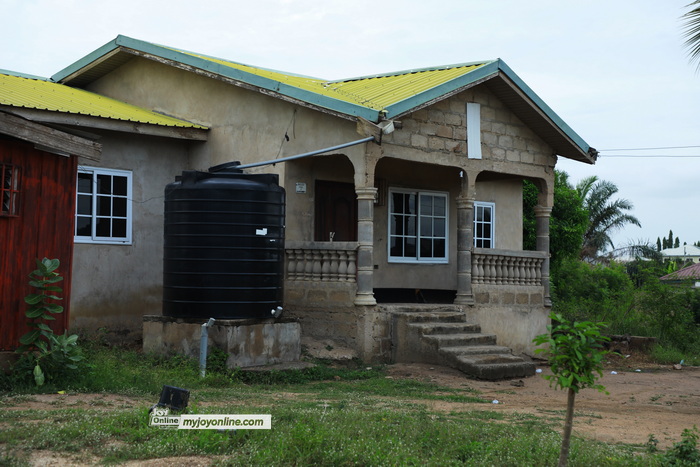
While rainwater harvesting remains a practical and cost-effective solution for many Ghanaians, experts recommend additional safety measures.
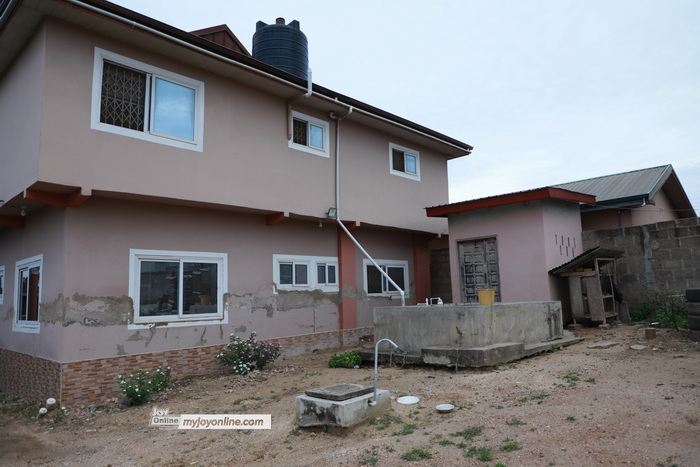
Dr. Darko points out that filters can remove harmful particles but emphasised the importance of boiling and cooling rainwater as a precautionary step.
As Ghanaians continue to value the accessibility and symbolic purity of rainwater, many are now beginning to see the importance of treating it as a measure to ensure both spiritual and physical well-being.
The advice of experts underlines the message that while rainwater may come from the heavens, responsible treatment is essential to prevent serious health risks.
Latest Stories
-
Government launches rCOMSDEP to promote responsible mining in Western Region
26 minutes -
Foreign Affairs Ministry procures 20 pickups to improve passport services
31 minutes -
Oil prices retreat as investors weigh supply outlook, Middle East tensions
39 minutes -
Mahama Ayariga highlights Jimi reclamation project as effort to tackle flooding
45 minutes -
Ayine pushes duty-lawyer scheme to protect suspects at police stations
52 minutes -
Fire at GRIDCo’s Mallam Substation cuts power to parts of Accra
56 minutes -
Stephen Amoah criticises 20% digital services tax as excessive
58 minutes -
Ghana secures $3.5bn investment commitments to revive oil and gas sector – Jinapor
1 hour -
Court to hear Wontumi’s bail application today
1 hour -
DPC flags six companies for data protection breaches
1 hour -
Chief Justice appointment from outside Supreme Court possible but unlikely – Bentil
1 hour -
NEDCo replaces faulty transformer at Saasigli
1 hour -
Dr Seidu Jasaw urges climate financiers to align funding with farmers’ planting seasons
1 hour -
Bank of Ghana urges public to uphold dignity of local currency
1 hour -
Global Chairman of World Assemblies of God Fellowship lauds Mahama’s sterling leadership
1 hour