


Audio By Carbonatix
Gender advocates are calling for more deliberate efforts to ensure fair representation of women in leadership and governance.
Speaking on the first episode of Women Rising — a JoyNews-Star Ghana Foundation initiative, funded by the Foreign, Commonwealth & Development Office — panelists acknowledged progress in women’s inclusion but stressed that much work remains to meet the 30% minimum quota outlined in the Affirmative Action (Gender Equity) Act, 2024 (Act 1121).
The Act, passed by Ghana’s Parliament on July 30, 2024, and assented to by the President on September 11, 2024, represents a crucial step toward gender equity and women’s empowerment. Yet, women’s representation in governance, politics, and leadership still falls below the required threshold.
Executive Director of the Gender Centre for Empowering Development (GenCED), Esther Tawiah, attributed godfatherism and political monetization as one of the major barriers hindering women’s participation in leadership.
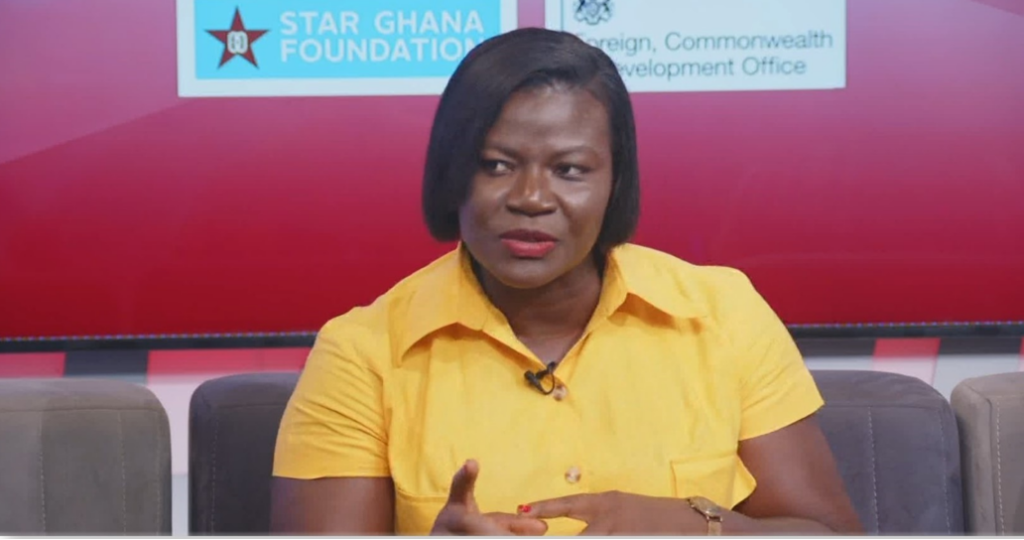
“Our political party system is built on godfatherism, wealth, and deep-rooted traditions, where appointments are shaped by family ties to influential groups like the Danquah-Busia tradition or the NDC. These dynamic favors men, marginalizing women and contributing to their underrepresentation,” she stated.
Labor expert Bashiratu Kamal emphasized that beyond legal frameworks, societal attitudes toward women in leadership must shift. She revealed that gender-based violence and entrenched biases continue to hinder women’s political progress.
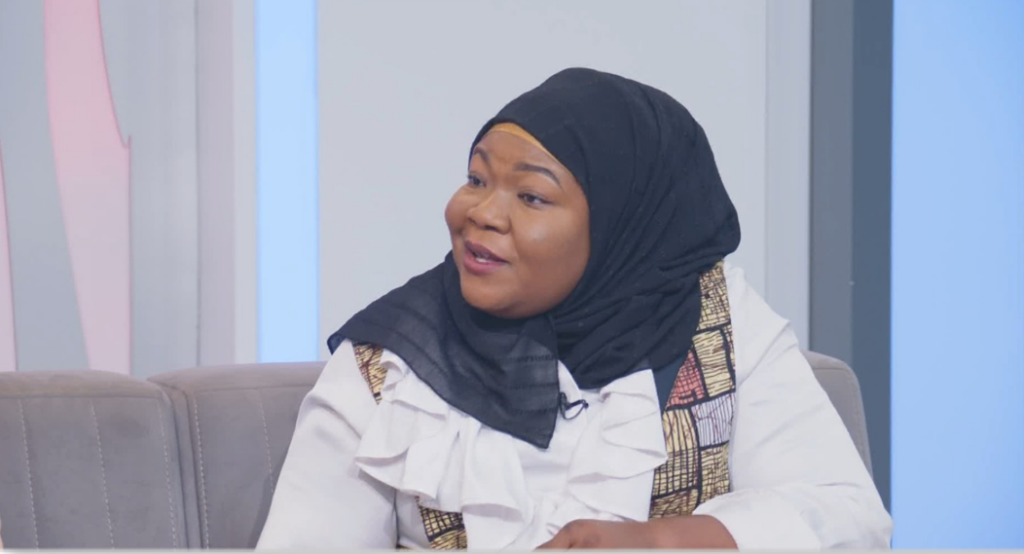
“One of the greatest challenges women face in advancing within political parties and reaching top positions is gender-based violence. Additionally, competency standards set by men create barriers that prevent qualified women from achieving their goals,” Kamal asserted.
Head of Programs at STAR-Ghana Foundation, Eunice Agbenyadzi, called on the media and civil society organizations (CSOs) to track the effectiveness of the Affirmative Action Act’s implementation through presidential appointments.
“We need to monitor appointments to ensure the 30% target is met, despite political tensions and resistance to recognizing women’s contributions. Civil society and the media must hold the government accountable,” she urged.
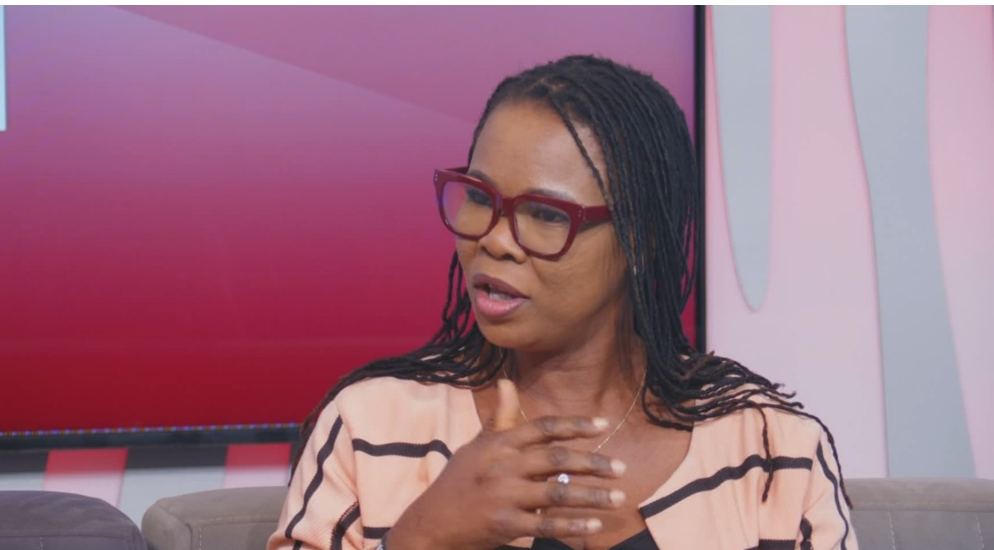
The Women Rising show also provided a platform for the live studio audience to share their perspectives and pose critical questions demanding national attention.
As Ghana moves forward, the Affirmative Action Act is seen as a pivotal tool for dismantling barriers and promoting a more inclusive political landscape.
Latest Stories
-
GRA warns against illegal use of foreign-registered vehicles to evade customs duties
2 minutes -
CSSPS explains why English is used before Maths to break SHS placement ties
8 minutes -
We’ll run all-inclusive administration—COKA
9 minutes -
Two in custody over suspected cocaine seized at Wa bus station
11 minutes -
GNFS responds to separate fire incidents at Anyinam, Akyem Asafo
23 minutes -
The Women Holding Ghana Together: Who is holding them up?
30 minutes -
Lands Minister pushes for EV training centre to prepare Ghanaian mechanics
53 minutes -
First National Bank Accra Marathon brings back full race for 2026
54 minutes -
Ghana’s money is changing faster than its financial system
58 minutes -
Gender Minister meets AU Commissioner over gender, social protection agenda
2 hours -
CAF CL: ‘We have to confirm qualification in Lubumbashi’ – TP Mazembe boss wary of Medeama threat
2 hours -
Dud cheque issuers face 1-year credit ban under new BoG rules
2 hours -
Beach Soccer AFCON 2026Q: 60 players called up as Ghana steps up preparations
3 hours -
Today’s front pages: Tuesday, September 8, 2026
3 hours -
FIFA, CAF halt Nigeria football elections over governance crisis
3 hours