

Audio By Carbonatix
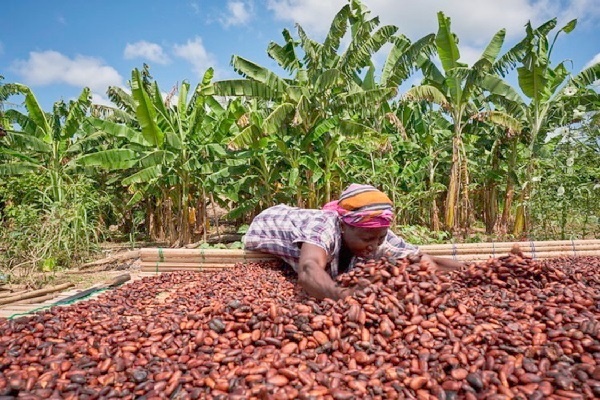
Ghana's cocoa production is expected to rebound in the 2024/25 crop season, buoyed by favourable weather conditions, according to local farmers, officials from regulatory body Cocobod, and buyers.
However, challenges such as illegal gold mining, smuggling, and disease continue to pose risks.
In June, the world's second-largest cocoa producer saw its output fall below 55% of its average seasonal output, marking a more than two-decade low.
Similar problems in neighbouring Ivory Coast, the world's leading cocoa producer, have resulted in a four-year global cocoa market supply deficit, pushing the prices of chocolate's key ingredient to record highs.
Ghana now expects output to recover to 650,000 tons in the 2024/25 season, though an official of the International Cocoa Organization said they see it around 500,000 tons.
Over 20 cocoa farmers, Cocobod officials, and local buyers told Reuters that farms are showing healthier pods than the previous season due to improved rainfall and sunshine, as well as the timely use of fertilizers and pesticides.
Abdul-Majid Mumuni, head of Cocobod's cocoa health and extension division in Ghana’s southeastern region, said, "The crop is amazing; the trees are productive and you can count not less than 50 pods per tree."
A secretary of a farmers group in Ghana's southeastern Asamankese district, Ocran Christopher, said they've harvested 500 bags since this season opened in Sept. from their over 72-hectare farm compared with about 820 bags in the entire 2023/24 season.
"If things remain like this, we can harvest 2,000-2,500 bags," he said.
Cocobod officials said they've seen increased cocoa deliveries this season but are cautious as the season was young.
Despite this positive outlook, farmers expressed concern about the potential outbreak of black pod disease and continuing bean smuggling. Ghana lost more than a third of its 2023/24 cocoa output to smuggling, according to Cocobod officials.
In response, the regulator has increased the farmgate price by nearly 45% for the current season and replaced the long-standing cocoa loan syndication system with a new funding model, requiring global traders to pay upfront for part of the cocoa bean shipments.
Although the new model aims to deter bean trafficking, it received mixed reviews from farmers and buyers. A district manager at a licensed cocoa buyer in Ghana said the new model's limited funds could potentially slow purchases and encourage smuggling.
Latest Stories
-
MTN set to deploy 5G services after winning spectrum licenses worth US$202m
2 hours -
NPP national elections: 3,000–4,000 police to handle security, traffic in Kumasi – Karbo
4 hours -
Atta Akyea fumes as Manhyia MP is to spend another night in EOCO custody
4 hours -
SSNIT says La Beach clearance was to protect hotel investments, beaches to remain public
5 hours -
APSU congratulates St Augustine’s College after back-to-back National Investment Quiz wins
5 hours -
Renewed flood intervention at Mallam Junction raises hopes among residents, businesses
6 hours -
St Augustine’s College retain National Investment Quiz title after nail-biting grand finale
6 hours -
Education infrastructure investment will drive Banda’s development – Ahmed Ibrahim
6 hours -
Teacher unions strike: Gov’t presents fresh proposals as talks end inconclusively
7 hours -
51,000 teachers’ promotion arrears to be validated for October payment – Education Minister
8 hours -
Kwabena Boamah appointed Board Chair for Impact Investing Ghana
8 hours -
Striking teacher unions to meet Fair Wages and Salaries Commission on October 6
8 hours -
EOCO working with AG to arraign Nana Baffour Awuah before weekend court
8 hours -
Duraplast reassures customers after fire, announces October 5 reopening
8 hours -
Call off strike, gov’t will not renege on promotion arrears pledge – Haruna Iddrisu to teacher unions
8 hours