

Audio By Carbonatix
A Lawyer and Energy Expert, Lom–Nuku Ahlijah, has maintained that Ghana is not in the era of 'dumsor', despite occasional power outages experienced across parts of the country.
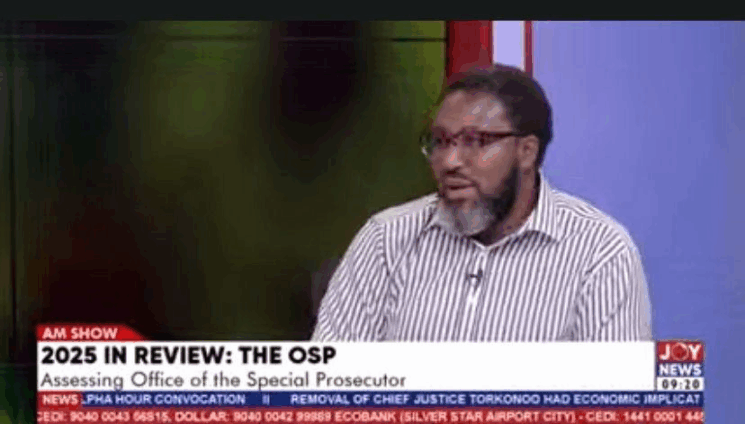
Speaking on JoyNews' AM Show, Mr. Ahlijah said 2025 has generally been a good year for Ghana’s energy industry, particularly in the areas of power, oil, and gas.
According to him, the relative stability in the sector has positively impacted electricity tariffs, as well as the various cost components that go into tariff determination, including fuel and petroleum prices on the global market.
He noted that, while there is still room for improvement, the country has not experienced any major disruptions in power supply this year, adding that this reflects positively on the performance of the current government in managing the energy sector.
Touching on Ghana’s energy sector debt, Mr Lom-Nuku acknowledged that the country is grappling with significant legacy debts, which cannot be resolved overnight.
He explained that clearing these debts requires deep structural reforms, a process that is currently being discussed between the government and the International Monetary Fund (IMF).
He further explained that Independent Power Producers (IPPs) have existing contracts with the Electricity Company of Ghana (ECG) and have continued to supply power, especially during periods when gas supply is unavailable.
However, he said this comes at a high cost, as ECG is forced to rely on liquid fuels, which are far more expensive than gas. These additional costs, he stressed, ultimately fall on the government.
According to Mr. Ahlijah, the government has proposed in the 2026 Budget Statement the establishment of a new gas processing facility to ensure a cheaper fuel supply for thermal plants in the long term.
He also welcomed the government's claims of saving about 300 million dollars through the renegotiation of power contracts, explaining that this means the financial impact of the renegotiated agreements has been properly quantified.
He noted that without the renegotiation, the State would have been required to pay that amount under existing contracts, but the new terms have created some fiscal space and eased pressure on government finances.
Despite these gains, Lom-Nuku emphasised that sustained reforms and prudent management remain critical to ensuring long-term stability in the energy sector.
Latest Stories
-
Church of Pentecost supports over 2,000 BECE candidates in Obuasi with career guidance seminar
36 minutes -
Brandon Asante and Coventry all but promoted to Premier League despite Sheffield Wednesday draw
58 minutes -
GPL 2025/26: Late Kwartemaa strike downs Hearts in Tema
1 hour -
Ghana Faces Sierra Leone Moment as Prosecutorial Powers come under strain
1 hour -
Don’t consume fish or seafood from Tema Shipyard until further notice – FDA warns
1 hour -
Why volunteering might be Africa’s most underrated career accelerator
1 hour -
ActionAid Ghana raises concern over gender gaps in Feed Ghana Programme
1 hour -
Windstorm wreaks havoc in Gushegu, displacing nearly 2,000 residents and damaging schools
1 hour -
Friends of Bridget Bonnie Marks her 35th birthday with donation to Kasseh Model Health Centre
2 hours -
From Ekumfi Kokodo to the Pulpit Stage: Essi Donkor’s gospel journey takes shape
3 hours -
Landfilling waste management creates no value, it’s an economic waste
3 hours -
Photos: Speaker Bagbin Commissions MPs constituency office under parliamentary decentralisation programme
3 hours -
Black Stars technical advisor Winfried Schäfer sacked as GFA shakes up backroom staff
3 hours -
Wenchi water project almost complete, critical to gov’t agenda – GWL MD
3 hours -
Anti-LGBTQ+ bill not part of government’s legislative agenda – Inusah Fuseini
3 hours