


Audio By Carbonatix
In the wake of rising climate challenges, the Africa Women and Children Conference (AFRIWOCC) at the 2024 Ghana Shippers Awards held a pivotal discussion led by industry experts on the urgent need for climate change adaptation and resilience within coastal communities and the shipping sector, with a special focus on the impacts on women and children.
This discussion sought to explore Indigenous and innovative strategies as well as collaborative efforts essential for adapting to and building resilience against the impacts of climate change in coastal areas and the maritime industry, ensuring the protection and empowerment of women and children.
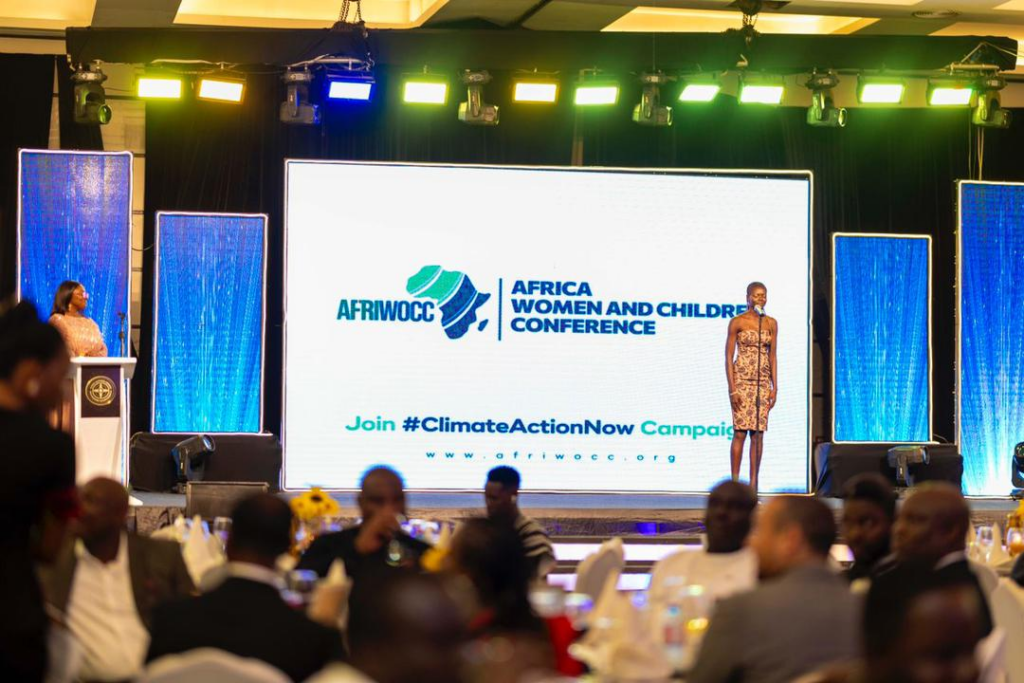
An analysis by Appeaning-Addo et al. in 2011 on the likely impacts of coastal inundation along the Dansoman coastal area of Accra revealed that about 650,000 people, 926 buildings, and a total area of about 0.80 km² of land are vulnerable to permanent inundation by the year 2100.
Women and children, who are often the most vulnerable in such scenarios, face increased risks to their homes and livelihoods.
The shipping industry, carrying over 80% of global trade, contributes to approximately 3% of global greenhouse gas emissions. This dual challenge necessitates the industry not only to adapt to the impacts of climate change but also to implement measures to reduce its carbon footprint, with a keen eye on safeguarding the well-being of women and children.
The conversation, moderated by Dr Yaw Agyeman Boafo, Senior Research Fellow at the Center for Climate Change and Sustainability Studies at the University of Ghana, focused on strategies being implemented by the shipping industry to foster resilience and reduce emissions.
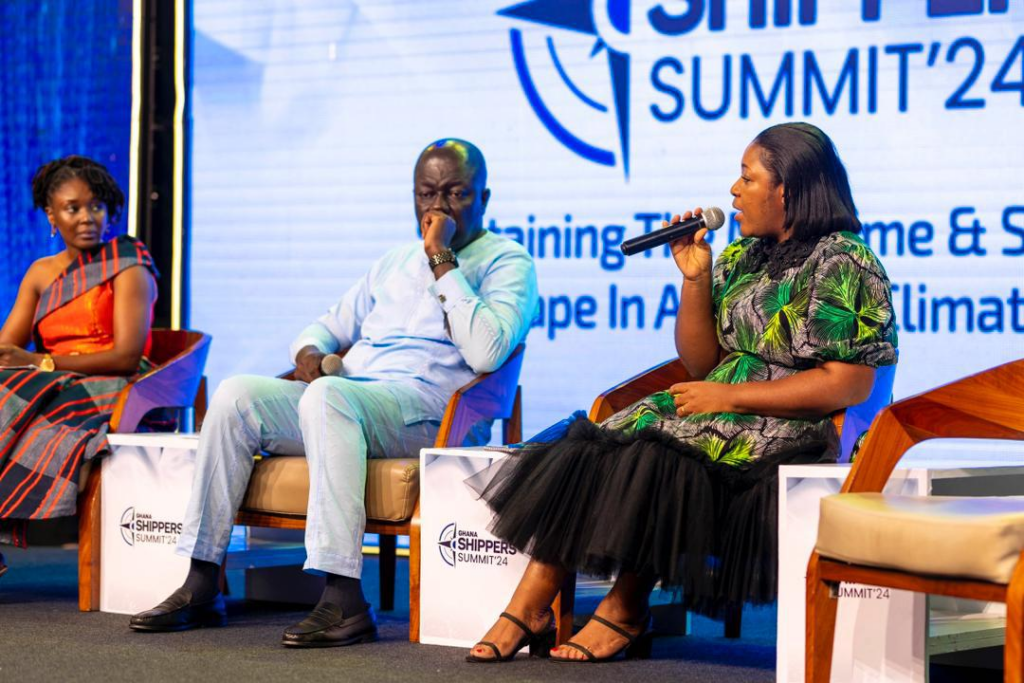
Discussions underscored the importance of collaborative efforts to protect vulnerable populations, particularly women and children, and to build the industry’s resilience amidst the climate crisis. The need for policies and practices that prioritize the health, safety, and economic stability of women and children was a key theme.
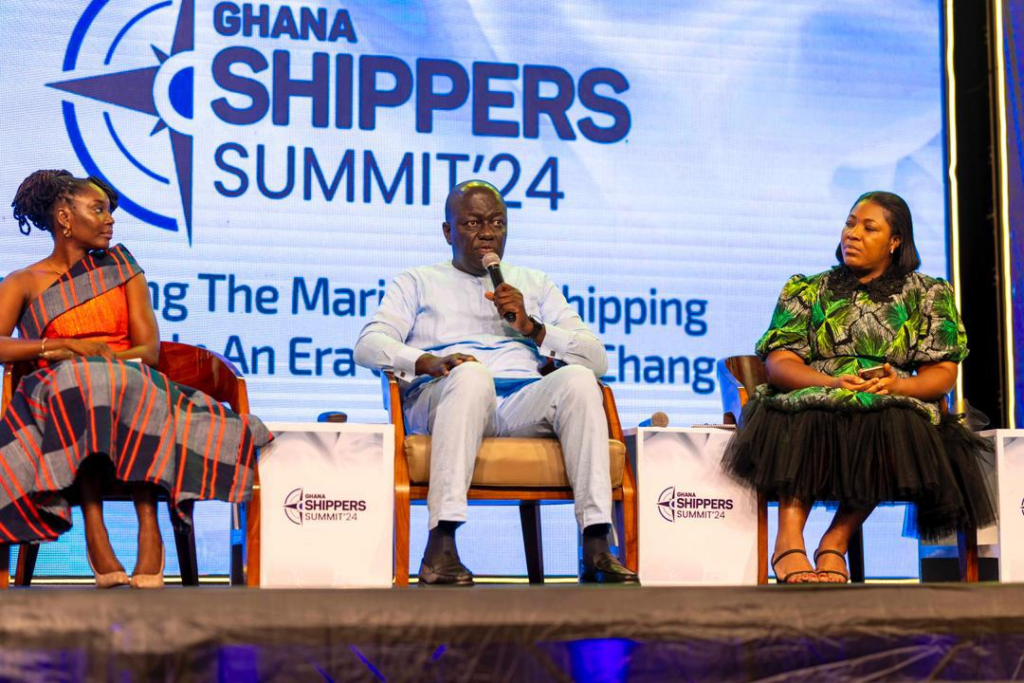
Panellists for the discussion included Mrs. Saadia Owusu-Amofa, Regional Programme Coordinator for West Africa, International Water Management Institute (IWMI); Mrs. Rhodalyn Djanitey, Officer in Charge of Advocacy, Ghana Shippers Authority; and Mr. Peter Amoo-Bediako, Director of Port, GPHA-Takoradi.
They highlighted the critical role of women in climate adaptation and the importance of empowering them to lead resilience-building efforts in their communities.
AFRIWOCC’s commitment to helping women and children was evident throughout the discussion, emphasising the need for targeted interventions that address the unique vulnerabilities faced by these groups and ensure their active participation in creating sustainable solutions for climate resilience.
Latest Stories
-
Tiptoe Lane’s tech takeover: The story behind Ghana’s booming informal phone market
2 minutes -
Abanga vows to use social media to counter NDC messaging ahead of 2028 elections
4 minutes -
Okai Mintah seeks Sabah Zita Benson’s support for NDC National Youth Organiser bid
18 minutes -
Okai Mintah vows to strengthen NDC campaign machinery ahead of 2028
24 minutes -
Mother of four and Jasikan teacher among new Telecel M’ahitti Promo winners
25 minutes -
International Youth Shakers Conclave 2026 set to bring global young leaders to London
26 minutes -
Gov’t is committed to addressing teachers’ conditions of service, deprived-area allowance – Education Minister
30 minutes -
GoldBod’s structure encouraging galamsey – Afenyo-Markin
32 minutes -
Tullow starts selling Jubilee, TEN crude to Ghanaian refineries
34 minutes -
Local Government Service authorises rationalisation, redistribution of staff
37 minutes -
PURC assures consumers of working to ensure quality services in Northern Region
43 minutes -
Ghana develops US$4.28bn water financing framework
50 minutes -
Christian Council calls for protection of mission schools’ religious identity
57 minutes -
Mahama holds discussions with India’s External Affairs Minister
1 hour -
Even when you cough, they come after you — Abanga accuses Mahama govt of criminalising free speech
1 hour